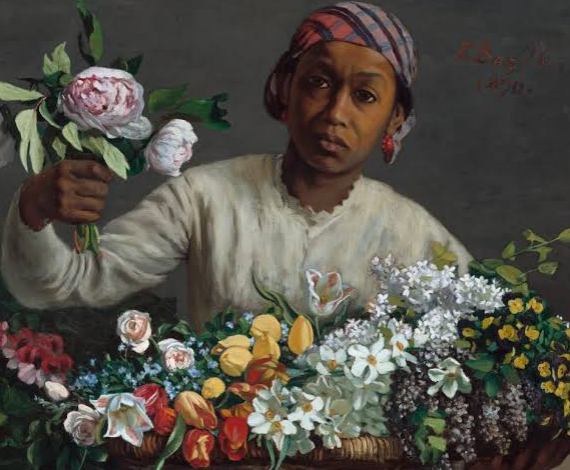
Frédéric Bazille was a central figure in the early days of Impressionism, recognized for his innovative approach to light, color, and composition. His studio paintings not only highlight his technical skill but also serve as a snapshot of a transformative time in art history. Delving into Bazille’s works unveils the fascinating dynamics between traditional techniques and the revolutionary ideas of the Impressionist movement.
1. The Essence of Basille’s Studio Paintings
Frédéric Bazille’s studio paintings are characterized by their vibrant use of color and deliberate attention to natural light. Unlike many of his contemporaries who often painted outdoors, Bazille focused on capturing life within the confines of his studio. This allowed him to explore the interplay of light and shadow while controlling the environment and mood of his subjects. For instance, in works like “The Studio” (often referred to as “The Artist’s Studio”), Bazille cleverly arranged his models and paint brushes to reflect both the chaos and beauty of artistic creation.
Within his studio, Bazille depicted not just models or still life, but infused personal narratives—his friends, fellow artists, and moments of leisure among them. This approach is not merely illustrative; it serves to cement his connection to a burgeoning community of artists, linking their narratives with his evolving style. For example, his choice of friends as subjects provides insights into who influenced his artistic direction, emphasizing the importance of relationships within the Impressionist circle.
-
- Explore Bazille’s use of color palettes to enhance mood.
-
- Observe how light shifts within the confines of his studio.
-
- Notice the dynamic positioning of models and objects.
-
- Reflect on his choice of subjects—how do they reflect artistic camaraderie?
2. A Transition to Impressionism: Bazille’s Influence
Frédéric Bazille’s work is vital in understanding the transition from traditional to modern art, specifically through the lens of Impressionism. While he maintained a thorough grounding in classic techniques, such as chiaroscuro, he also embraced a freer brushstroke that captured ephemeral moments. His paintings embody the core tenets of Impressionism, focusing on the depiction of light effects and the sensation of movement, as seen in works like “Summer Scene” and “View of the Village.” By employing short, distinct brushstrokes, he not only conveyed detail but also conveyed the vibrant energy of life.
Furthermore, Bazille’s influence is evident in how he opened doors for artists to explore personal expression in their work. His collaborations with figures like Claude Monet and Pierre-Auguste Renoir were not only technical exchanges but also explorations in thematic storytelling. The camaraderie birthed an atmosphere where artwork became less about strict representation and more about expressing emotions and sensations, setting a precedent for future artists in the Impressionist movement.
-
- Identify key characteristics of Bazille’s transition to Impressionism.
-
- Compare his style with other contemporary artists to appreciate uniqueness.
-
- Analyze how his relationships with other artists shaped his work.
-
- Look for themes of leisure and everyday life in his pieces.
3. Exploring Bazille’s Legacy Today
Though Bazille’s career was tragically cut short by his early death in combat during the Franco-Prussian War, his legacy continues to resonate in contemporary art. His approach of blending traditional techniques with innovative brushwork paved the way for future artists to depict reality in new and exciting ways. Many modern artists look to Bazille’s approach as a means to challenge artistic conventions while simultaneously retaining emotional depth in their works. His studio paintings invite curiosity and analysis, encouraging viewers to engage deeply with not only the subjects but also the very process of creation.
Today, Bazille’s work is celebrated in museums worldwide, often featured in exhibitions that explore the origins of Impressionism. His ability to capture light, movement, and emotion offers an incredible opportunity for art students and enthusiasts alike to learn and apply such techniques in their work. His paintings can teach us valuable lessons about how we perceive and interpret the world around us, serving as an inspiring toolkit for both aspiring and established artists.
-
- Visit museums hosting Bazille’s artworks to gain firsthand experience.
-
- Participate in art classes that focus on Impressionist techniques.
-
- Research Bazille’s contemporaries to understand the wider artistic milieu.
-
- Experiment with studio paintings that echo his style.
In conclusion, exploring Frédéric Bazille’s studio paintings not only reveals insights into the Impressionist movement but also ignites a passion for combining traditional and innovative artistic techniques. Whether you’re an artist or simply an admirer of art, consider taking the next step to engage with these timeless teachings—be it visiting an exhibit or creating your own interpretations. The journey into the world of Impressionism is only beginning.