Gustave Caillebotte, a prominent figure in the Impressionist movement, is celebrated not only for his innovative techniques but also for his insightful portrayal of leisure culture in late 19th-century France. His boating scenes, particularly those depicting leisurely moments by the Seine, capture a vibrant social life that resonates with the joys of relaxation and recreation. This blog post explores the significance of these scenes and the broader context of leisure culture during Caillebotte’s time.
1. The Significance of Boating Scenes in Caillebotte’s Work
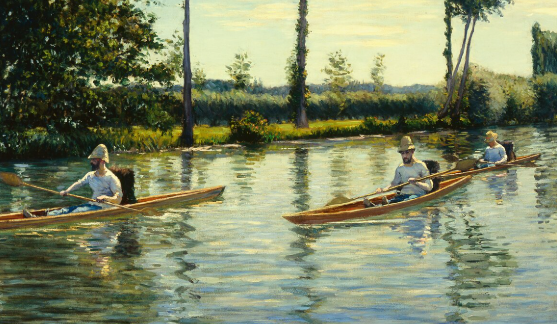
Caillebotte’s boating scenes offer a window into the everyday lives of Parisians in the late 1800s. Such artworks often feature elegantly dressed men and women enjoying a day on the water, reflecting the societal norms and pleasures of the bourgeoisie. His use of perspective, light, and color not only illustrates the scenic beauty of the Seine but also conveys a sense of tranquility and leisure that was becoming increasingly popular among the upper classes of Paris.
One notable painting, “The Boat” (1876), demonstrates Caillebotte’s mastery in combining realistic detail with an impressionistic approach. The composition draws the viewer in while emphasizing the relaxed atmosphere of a sunny day spent boating. Through these works, Caillebotte also subtly critiques or hints at the social dynamics of his time, making these scenes rich with context regarding class and leisure.
-
- Explore Caillebotte’s paintings to understand the dynamics of leisure culture.
-
- Pay attention to the details of clothing and accessories in his boating scenes.
-
- Investigate how perspective influences the viewer’s immersion in his art.
-
- Consider the social commentary embedded in leisure activities depicted in his work.
2. Leisure Culture in Late 19th-Century France
The late 19th century marked a pivotal shift in leisure activities in France, fueled by advancements in technology and a growing middle class. The industrial revolution allowed for shorter work hours and increased disposable income, leading to a boom in leisure pursuits. Parks, cafes, and waterways became hotspots for social engagement, and boating on the Seine became an emblematic pastime that encapsulated the relaxation trends of the era.
This cultural transformation is reflected not only in Caillebotte’s work but also in literature, photography, and other art forms of the time. The emergence of organized leisure activities, from picnics to rowing races, indicated a societal shift where leisure was no longer a luxury for a select few but an integral part of life for many. Caillebotte’s boating scenes portray these social gatherings, inviting viewers to participate in the joyous moments of life during this thriving period.
-
- Research the history of leisure activities in France for a deeper understanding.
-
- Look for connections between industrial changes and leisure pursuits in art.
-
- Examine how technology influenced the availability of leisure activities.
-
- Attend exhibitions to see how leisure is portrayed in other art forms.
3. Caillebotte’s Artistic Techniques and Their Impact
Caillebotte’s ability to capture movement and light sets his boating scenes apart from other Impressionist works. He utilized innovative techniques such as unusual angles and cropped compositions to create a dynamic sense of space and energy. His mastery of light allows for reflections on the water and the interplay of shadows, enhancing the realism and appeal of his scenes.
The artist’s detailed brushwork and color palette also contribute to the overall atmosphere of leisure and relaxation, drawing viewers into the serene world he depicts. By combining realism with the vivacity of impressionism, Caillebotte successfully bridges a gap between traditional and modern artistic expressions, allowing for new interpretations of everyday life.
-
- Perform a close visual analysis of Caillebotte’s techniques in his paintings.
-
- Identify how angles and perspective enhance the narrative in boating scenes.
-
- Experiment with similar techniques in your own artworks or photography.
-
- Consider how color choices affect the viewer’s emotional response.
4. Caillebotte and the Evolution of Impressionism
Caillebotte played a crucial role in the development of the Impressionist movement, influencing its direction through his unique approach. While many impressionists focused on capturing fleeting moments of life, Caillebotte delved deeper into the trends of modernity, highlighting the urban life of Paris alongside scenes of rural leisure. His distinct take on impressionism reflected both a celebration of contemporary life and a contemplation of societal changes happening around him.
His work not only expanded the boundaries of impressionism but also introduced a narrative quality often overlooked in traditional impressionist compositions. By combining elements of realism with a modern twist, he broadened the scope of what Impressionist art could entail, leaving a lasting mark on the evolution of modern art. Recognizing Caillebotte’s influence sheds light on the diverse narratives embedded within the Impressionist movement.
-
- Explore works by other impressionists to see how they compare with Caillebotte.
-
- Study how changes in society influenced the art styles of the period.
-
- Join discussions or forums about the evolution of impressionism.
-
- Experiment with storytelling in your own artistic endeavors.
In conclusion, Gustave Caillebotte’s boating scenes are more than mere representations of leisure; they encapsulate a transformative period in French culture. Exploring these artworks can deepen your understanding of leisure’s place in society and its artistic expression. Whether through art, literature, or personal experiences, consider how this rich cultural history can enhance your appreciation for both leisure and creativity in your own life.