Gustave Caillebotte is often celebrated for his innovative approach to capturing everyday life in 19th-century France. Through his stunning paintings, he provided a glimpse into the working class, showcasing their resilience and the beauty found in mundane tasks.
1. The Workers in Caillebotte’s Art
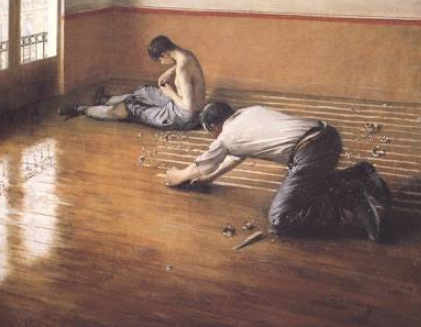
Caillebotte’s fascination with the working class is evident in many of his pieces, most notably in works like “The Floor Scrapers.” This painting depicts three workers engaged in the strenuous task of scraping a floor. The composition highlights not only their labor but also their camaraderie and shared determination. By using unique perspectives and depicting these men in moments of physical effort, Caillebotte elevates the ordinary worker’s life to a subject worthy of fine art.
Another noteworthy piece, “The Harvesters,” further demonstrates Caillebotte’s commitment to portraying everyday labor. In this painting, he captures the beauty of agricultural work, bathed in natural light, emphasizing both the toil and the tranquility of the countryside. Each brushstroke reflects the hard work of those who dependent on the earth for their livelihood. Such portrayals invite viewers to appreciate the unsung heroes of society.
-
- Explore various work-related subjects in Caillebotte’s paintings.
-
- Pay attention to the dynamics between workers in his art.
-
- Notice the impact of light and perspective in emphasizing labor.
-
- Reflect on how these depictions change our view of manual work.
2. The Ordinary Life Reflected in His Art
In addition to depicting laborers, Caillebotte had a distinct talent for capturing moments of everyday life that resonate with viewers even today. In his famous painting “Paris Street; Rainy Day,” the city streets come alive with bustling Parisians, showcasing both movement and stillness amid the rain. The play of reflections, colors, and the urban setting immerses the observer in Parisian life during a transformative era.
Caillebotte’s focus on everyday scenes was groundbreaking; he offered a counterpoint to romanticized portrayals of life, revealing its genuine challenges and joys. His use of perspective often placed the viewer at street level, creating an intimate connection with the subjects. When looking at “The Luncheon,” where friends gather for a meal, the richness of social interaction and simplicity of shared experiences are beautifully portrayed, inviting viewers to engage with the narrative in a personal way.
-
- Find parallels between Caillebotte’s scenes and modern city life.
-
- Consider the emotional resonance of everyday interactions depicted.
-
- Note how perspective influences your viewing experience.
-
- Appreciate the blend of realism and impressionism in his compositions.
3. The Influence of Caillebotte’s Work on Future Artists
The lasting impression of Caillebotte’s emphasis on the working class and daily life is evident in the works of numerous subsequent artists. His approach to capturing everyday moments paved the way for movements focused on realism and social commentary, influencing artists such as Edward Hopper and even contemporary painters. They draw inspiration from Caillebotte’s ability to find depth and meaning in seemingly trivial scenes.
Moreover, Caillebotte’s innovative techniques, such as unusual cropping and vibrant color palettes, encouraged future generations of artists to break traditional boundaries and explore new techniques. This spirit of experimentation fostered a more diverse art world, where everyday subjects could serve as profound sources of creativity and reflection. Collectively, these influences contribute to the ongoing conversation about the role of art in society.
-
- Explore how modern artists reference Caillebotte’s style.
-
- Look for themes of everyday life in contemporary art.
-
- Analyze the evolution of perspective and composition in art since Caillebotte.
-
- Engage with art communities to discuss these influences.
In conclusion, Gustave Caillebotte’s work remains a powerful testament to the beauty of everyday life and the dignity of laborers. By exploring his art, we can gain not only aesthetic pleasure but also a deeper understanding of social dynamics and the human experience. So, take a moment to visit a museum, analyze his paintings, or even start your own art journey reflecting on daily life!