Claude Monet, a pioneer of Impressionism, is widely recognized for his unique approach to light and color, which he brilliantly captured in his series of paintings featuring Rouen Cathedral. This series remains a testament to his innovative vision and an exploration of the interplay between architecture and atmospheric conditions. The way Monet rendered the cathedral offers valuable insights into not only his artistic process but also the broader significance of the Impressionist movement.
1. The Impact of Light
One of the defining features of Monet’s Rouen Cathedral series is his fascination with light. Through his brushstrokes, Monet sought to depict the ever-changing quality of natural light throughout different times of the day. Each painting in the series reveals how light alters the appearance of the cathedral, from dawn to dusk, showcasing his keen observation skills and deep understanding of color theory.
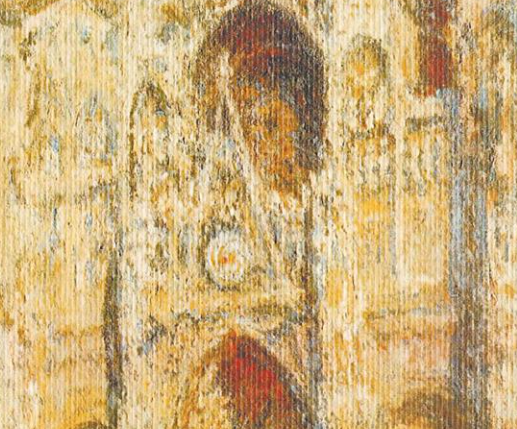
Monet painted over 30 pieces of the cathedral, capturing its facade in various lighting conditions. In one instance, a bright morning sun creates vibrant shadows, allowing colors to pop against the stone structure. Conversely, in the evening versions, cooler tones dominate, giving an almost ethereal quality to the sculpture of the iconic building. This exploration encourages viewers to appreciate the transient beauty of light and its impact on perception.
-
- Observe how natural light changes in your environment throughout the day.
-
- Experiment with painting or photography at different times to capture varying qualities of light.
-
- Consider using different brushes or techniques to depict light and shadow.
-
- Study the light in various artworks and analyze how artists used it to create mood.
2. The Role of Color
Monet’s adept use of color is another hallmark of the Rouen Cathedral series. He frequently used a palette of blues, greens, and violets, layered with warmer hues to create depth and dimension. This deliberate choice of colors served not only to portray the cathedral realistically but also to evoke emotional responses from viewers, highlighting the Impressionist principle of subjective experience.
In particular, Monet’s exploration of complementary colors is evident in his work, where contrasts are applied to highlight certain architectural elements. For example, the dark stone of the cathedral juxtaposed with bursts of pale yellows and oranges creates a striking visual tension that draws the eye. This technique exemplifies how color can transform a simple subject into a narrative rich with meaning and feeling.
-
- Explore complementary color schemes in your own artwork.
-
- Practice layering colors to create depth and richness.
-
- Keep a color journal to capture colors you observe in nature.
-
- Analyze how colors are used in different cultural contexts.
3. The Process of Repetition and Variation
Monet is well-known for his technique of repeating subjects to explore variations in light and atmosphere. This habit is evident in his Rouen Cathedral series, where the same structure becomes a canvas for experimentation. This approach aligns with the Impressionist belief that experiences are not static but rather are continually changing, much like the subjects themselves.
By painting the cathedral multiple times, Monet was able to articulate his evolving artistic vision and the dynamic nature of reality. Each canvas stands alone with its unique qualities while contributing to a collective understanding of the cathedral. This technique highlights the importance of repetition as a tool for deepening one’s artistic practice and perception of subjects.
-
- Choose a single subject and create several works over time, altering elements like light and color.
-
- Keep a sketchbook to document your variations and insights.
-
- Remain conscious of your evolving perspective on the same subject.
-
- Share your series with others to receive constructive feedback.
4. The Influence of Impressionism on Modern Art
The Rouen Cathedral series exemplifies the core elements of Impressionism, which have profoundly influenced modern art movements. Monet’s innovative techniques of capturing ephemeral moments laid the groundwork for subsequent artists to explore abstraction and the notion of subjective reality in their works. Understanding how Monet approached art allows contemporary viewers to appreciate his contributions to modern visual language.
As modern artists continue to draw inspiration from Impressionism, elements such as spontaneity and individual expression remain prevalent. Monet’s exploration of color and light paved the way for later movements like Fauvism and Abstract Expressionism, proving that the ripples of his work can still be seen in today’s art. His impact highlights the interconnectedness of artistic endeavors across epochs and styles.
-
- Study the works of artists influenced by Impressionism to see its legacy.
-
- Explore various modern art techniques that stem from Impressionist foundations.
-
- Attend exhibitions that showcase Impressionism and its impact on contemporary art.
-
- Reflect on how your artistic style may be influenced by previous movements.
Monet’s Rouen Cathedral series not only showcases his mastery of light and color but also embodies the essence of the Impressionist movement. The series serves as an invitation for viewers to immerse themselves in the beauty of fleeting moments. As you explore your artistic journey, consider how the lessons from Monet’s work can inspire you to capture your own unique vision of the world.