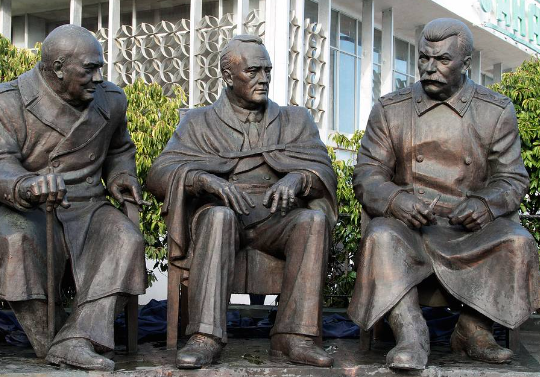
Winston Churchill, a pivotal figure in history, continues to inspire generations through his speeches and leadership during tumultuous times. Statues of Churchill around the world embody not just his physical presence, but the essence of leadership itself. In this post, we will explore the various statues dedicated to Churchill and what they symbolize in the realm of leadership.
1. The Iconic Statues of Winston Churchill
Numerous statues commemorating Winston Churchill can be found in prominent locations. Perhaps the most famous is the statue in Parliament Square, London, which depicts him standing with an imposing demeanor and a cigar in hand. This statue, unveiled in 1973, serves as a constant reminder of his leadership during World War II and his pivotal role in British history.
Another significant statue exists at the U.S. Capitol in Washington, D.C. This bronze statue, created by sculptor Frederick William Harris, depicts Churchill seated and gesturing as if deep in conversation. This representation in the heart of American democracy signifies the special relationship between the U.S. and the UK, particularly during the dark days of war.
-
- Visit local statues to engage with history and reflect on leadership.
-
- Research the stories behind different Churchill statues around the world.
-
- Consider how Churchill’s image influences modern leadership concepts.
-
- Share your insights about these statues on social media.
2. The Art of Leadership in Sculpture
Statues capture more than just likeness; they encapsulate the traits and values associated with their subjects. Churchill’s statues often portray him as resolute, determined, and indomitable, qualities that are essential in any great leader. The deliberate choice of pose and materials used in these sculptures can evoke feelings of strength and inspiration, encouraging viewers to reflect on their leadership qualities.
For instance, the statue in Parliament Square employs strong lines and a bold stance, dominating its surrounding environment. This conveys a sense of action and decisiveness, key attributes for any leader. The ruggedness of the bronze material also symbolizes resilience—perfect for depicting a figure who stood firm against tyranny.
-
- Observe the positioning and posture of various leadership statues.
-
- Think about the qualities each statue embodies and how they relate to modern leadership.
-
- Discuss your interpretations of these statues with friends or colleagues.
-
- Consider how art influences public perception of leaders.
3. The Statues and Their Impact on Public Perception
Churchill’s statues serve a vital role in shaping public perception of not only Churchill himself but also leadership in general. These sculptures are gateways for discussion about historical context, ethical dilemmas, and the complexities of leadership. By walking past these memorials, individuals often engage in conversations about what makes a great leader, encouraging them to reflect upon their own values.
Moreover, the portrayal of Churchill in these statues can evoke various sentiments among different audiences. For some, Churchill represents heroism and resilience, while for others, he symbolizes controversy and polarizing decisions. This duality sparks dialogue around what effective leadership entails and what sacrifices may be involved in leading during crisis.
-
- Engage with community conversations around local statues and their significance.
-
- Attend lectures or discussions focused on Churchill’s legacy and its implications today.
-
- Write articles or blog posts sharing your thoughts on leadership influenced by these statues.
-
- Be aware of differing opinions on historical figures and engage respectfully.
In conclusion, the statues of Winston Churchill not only commemorate a historical figure but also serve as powerful symbols of leadership and resilience. They encourage us to explore the qualities that define effective leaders in our own lives. Take a moment to visit these statues, reflect on your leadership philosophy, and engage in meaningful discussions about what it means to lead.