
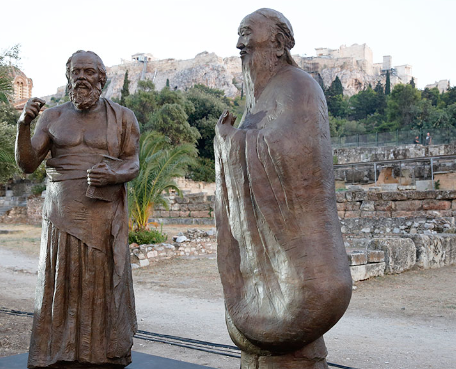
Confucius, the ancient Chinese philosopher and educator, has greatly influenced many aspects of culture and education throughout history. His teachings continue to inspire individuals around the globe, making sculptures of him prominent in cultural and educational spaces. These sculptures not only honor his legacy but also serve as a means to foster learning and reflection.
1. The Significance of Confucius Sculptures
Confucius sculptures, often found in schools, universities, and public spaces, serve as powerful symbols of knowledge and moral integrity. They are designed to evoke contemplation and honor the ideals of education, respect, and ethical behavior that Confucius espoused. By placing these sculptures in educational settings, institutions visually reaffirm their commitment to these values.
Beyond their symbolic importance, these sculptures also serve as historical landmarks that provide insight into Confucius’s contributions to education and society. Many communities take pride in their local sculptures, often organizing events or lectures around them. This fosters a sense of connection among students and community members, reinforcing shared values and goals.
-
- Research local institutions featuring Confucius sculptures.
-
- Engage in discussions about Confucian values in your community.
-
- Visit the sculptures to reflect on their significance.
-
- Participate in or organize events that celebrate these themes.
2. Educating Through Art: Learning Opportunities
The presence of Confucius sculptures in educational spaces creates unique learning opportunities. Schools often use these sculptures to initiate discussions about ethics, leadership, and personal responsibility. Teachers can leverage the symbolism attached to these sculptures to impart valuable lessons about character development and civic duty, creating a more engaging classroom experience.
Additionally, these sculptures encourage students to undertake research projects related to Confucius’s teachings and their relevance today. This can foster critical thinking and promote public speaking skills as students share their findings with peers. By integrating art into educational curricula, schools can inspire creativity, cultivate respect for history, and enhance cultural awareness among students.
-
- Integrate lessons about Confucianism in history or philosophy courses.
-
- Plan field trips to view local sculptures and discuss their context.
-
- Encourage students to present on Confucius’s teachings.
-
- Foster partnerships with local cultural organizations for workshops.
3. Community Engagement Through Confucius Sculptures
Confucius sculptures often serve as focal points for community engagement and cultural events. Local governments and organizations frequently organize festivals, seminars, or public discussions centered around these sculptures, encouraging dialogue among community members. Such activities not only celebrate Confucius’s teachings but also unite diverse groups under shared ideals.
Moreover, these events can promote volunteerism and civic participation by encouraging individuals to reflect on their roles in society. In fostering a community spirit, sculptures of Confucius can become symbols of unity that bridge gaps among residents. This can lead to a more cohesive understanding of shared values and responsibilities, nurturing a strong civic culture.
-
- Organize community events that focus on Confucian principles.
-
- Engage with local schools to promote heritage education.
-
- Collaborate with art institutions for exhibitions on Confucius.
-
- Invite guest speakers to share perspectives on his teachings.
4. Preserving Cultural Heritage
Confucius sculptures play a crucial role in preserving cultural heritage, making them an essential part of historical archives. Many of these sculptures date back to different eras, representing unique artistic styles and cultural perspectives. They offer not only aesthetic value but also serve as platforms to educate future generations about Confucius’s impact on modern thought.
In an age where globalization can sometimes overshadow local histories, maintaining the integrity of such artworks becomes vital. These sculptures offer a visual representation of cultural pride, making it important for communities to actively participate in preserving their condition. Care and maintenance initiatives can foster environmental stewardship and reinforce a sense of responsibility towards local heritage.
-
- Support local efforts to maintain and restore sculptures.
-
- Encourage schools to include preservation topics in their curricula.
-
- Volunteer for local heritage organizations focused on preservation.
-
- Participate in workshops on environmental and cultural stewardship.
In conclusion, Confucius sculptures in cultural and educational spaces serve far more than decorative purposes. They are valuable tools for teaching and community engagement that honor a rich philosophical tradition. By exploring their significance and promoting activities surrounding them, we can foster a deeper appreciation for Confucius’s teachings and their impact on our society.