
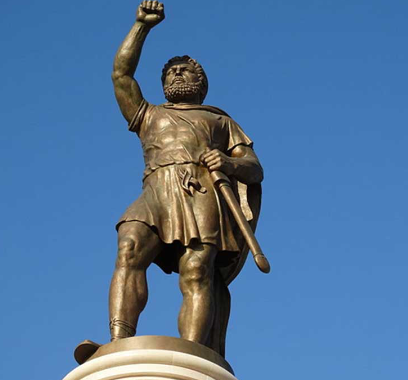
The statues of Alexander the Great serve as timeless symbols of heroism and youthful ambition. These art pieces not only capture his likeness but also embody the ideals of strength, leadership, and the relentless pursuit of greatness. In this blog post, we will explore the significance of Alexander’s statues and how they represent the ideal of heroic youth.
1. The Artistic Representation of Alexander the Great
Statues of Alexander the Great span various artistic styles and historical periods, reflecting the cultural contexts in which they were created. These representations often highlight his youthful features, suggesting vitality and ambition. Most notably, the well-known statue by Lysippus, which presents Alexander with a dynamic posture, captures the essence of a hero in motion, symbolizing conquest and aspiration.
During the Hellenistic period, artists focused on creating pieces that conveyed not just the physical characteristics of Alexander but also his larger-than-life persona. These statues often included intricate details, such as flowing hair and intense gazes, reinforcing his image as a warrior and a leader. This ideal of a heroic youth continues to influence contemporary views of leadership, inspiring young leaders today to emulate Alexander’s attributes.
-
- Explore various styles of sculptures and statues depicting Alexander.
-
- Understand the historical context behind these representations.
-
- Analyze the artistic techniques used in creating these statues.
-
- Read about the influence of Alexander’s ideals on modern leadership.
2. Symbolism of Heroic Youth in Alexander’s Statues
Heroic youth is a theme deeply embedded in the legacy of Alexander the Great, often reflected in the statues that immortalize him. This concept suggests that youth is tied to potential and the capacity for greatness. In many cultures, Alexander’s age during his conquests reinforces the idea that remarkable achievements are possible at a young age, setting a precedent for future generations.
Moreover, Alexander’s symbolization of heroism often stems from the narratives surrounding his life, filled with daring exploits and bold decisions made in his twenties. These stories have created an archetype of the young hero who veers from traditional paths to forge new realities. The statues, therefore, serve not only as artistic expressions but also as educational tools that inspire today’s youth to dream big and embrace their potential.
-
- Consider how youth is often portrayed in various cultures.
-
- Reflect on the importance of ambition and courage during young adulthood.
-
- Engage with stories of abstract heroic figures from history.
-
- Inspire young people around you to pursue their dreams.
3. The Cultural and Historical Impact of Alexander’s Statues
The legacy of Alexander the Great transcends his lifetime, continuing to influence culture and history through his statues. These artworks have appeared in various forms, from monumental statues to coins and stamps, each reinforcing his image as a model of youthful exuberance and ambitious leadership. The cultural significance of these representations extends to how societies perceive heroism and leadership across different epochs.
In contemporary society, Alexander’s statues are often referenced to evoke qualities such as bravery, strategy, and determination. They serve as reminders of the extraordinary achievements that can stem from youthful vision and action. This historical impact underlines the notion that leadership does not necessarily come with age but can also spring forth from energetic youth, encouraging a dialogue about mentorship and legacy across generations.
-
- Research on how Alexander’s statues are displayed in various cultural settings.
-
- Explore the relevance of historical leaders in modern society.
-
- Engage with educational programs that highlight heroism in history.
-
- Discuss Alexander’s achievements with peers to amplify his legacy.
In conclusion, Alexander the Great’s statues serve as profound symbols of heroic youth, imbued with cultural significance and historical context. They motivate young people to embrace ambition and challenge the status quo. Consider reflecting on these ideals in your own life and explore ways you can embody the spirit of Alexander through actions aligned with your aspirations.