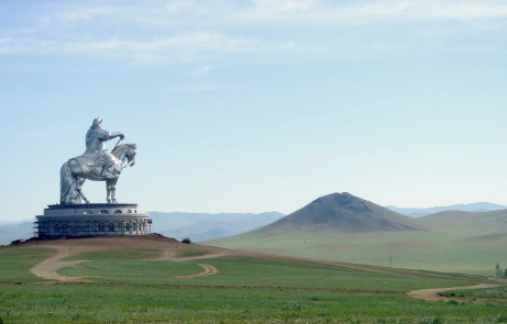
Creating custom Genghis Khan statues for cultural parks is a fascinating endeavor that not only commemorates one of history’s most influential leaders but also attracts tourists and enriches cultural heritage. These statues serve as iconic symbols, representing a powerful legacy that resonates with many. In this blog post, we’ll explore the importance of these statues, the process of their creation, and tips for successfully integrating them into cultural parks.
1. The Importance of Genghis Khan Statues in Cultural Parks
Genghis Khan, the founder of the Mongol Empire, has left an indelible mark on world history. Statues dedicated to him are more than mere artistic representations; they symbolize a rich cultural heritage that can educate and inspire visitors. By having a prominent statue of Genghis Khan in a cultural park, communities celebrate their history while attracting tourism and generating interest in local culture.
Moreover, these statues often become community gathering spots, fostering engagement and discussion among visitors about Mongolia’s history and Genghis Khan’s significance. Cultural parks encourage educational programs, art exhibitions, and historical reenactments that promote understanding and appreciation of Mongolian culture.
-
- Highlight the local culture through interpretive signage.
-
- Incorporate guided tours that discuss the significance of Genghis Khan.
-
- Plan events and festivals centered around Mongolian traditions.
-
- Engage with local schools for educational trips.
2. The Process of Creating Custom Statues
Creating a custom Genghis Khan statue involves a multi-step process that includes design, materials, and craftsmanship. The first step is conceptualization, where artists or designers work closely with historians to ensure the statue accurately reflects Genghis Khan’s likeness and historical significance. Many prefer bronze or stone as materials, as they withstand the elements and add to the statue’s grandeur.
Next, skilled craftsmen sculpt the statue, requiring immense attention to detail. Once the main sculpture is crafted, artisans add finishing touches such as textures, coloring, and patinas. The entire process can take several months, depending on the size and complexity of the statue, and often includes community consultations to gather feedback on the final design.
-
- Engage with local artists and historians for accurate representation.
-
- Choose durable materials suited for outdoor display.
-
- Incorporate community feedback during the design phase.
-
- Plan for the statue’s installation with proper foundation and surrounding space.
3. Integrating Statues into Cultural Parks
Integrating Genghis Khan statues into cultural parks requires careful planning and consideration of the park’s layout and intended use. The placement of a statue can dramatically influence visitor interaction and overall aesthetic appeal. Ideally, the statue should be located in a prominent area, surrounded by pathways, seating, and native landscaping that reflects Mongolia’s natural beauty.
Additionally, creating complementary features around the statue can enhance the park experience. This might include educational kiosks detailing Genghis Khan’s life, picnic areas for visitors, or cozy nooks for reflection. Ensuring the statue is accessible for all visitors, including those with disabilities, is essential for promoting an inclusive atmosphere.
-
- Design pathways that lead visitors to the statue.
-
- Incorporate seating areas for rest and contemplation.
-
- Ensure accessible routes for individuals with mobility challenges.
-
- Consider creating a thematic area around the statue, like a Mongolian garden.
4. Maintenance and Community Engagement
After installing a Genghis Khan statue, ongoing maintenance is crucial to preserve its appearance and structural integrity. Weather elements such as sun, rain, and snow can wear down materials, so regular inspections should be part of park maintenance schedules. This includes cleaning the statue, checking for any damage, and applying protective coatings as needed.
Moreover, community engagement remains vital. Organizing events and educational talks about Genghis Khan can promote interest and encourage local participation in the statue’s upkeep. Collaborating with local schools and cultural houses for workshops can develop a deeper appreciation for both the statue and Mongolia’s history.
-
- Establish a maintenance schedule for regular upkeep.
-
- Organize community events to keep the statue relevant and engaging.
-
- Provide volunteer opportunities for local residents.
-
- Promote educational seminars about Genghis Khan in nearby schools.
Creating custom Genghis Khan statues in cultural parks offers a unique opportunity to honor a historical figure while fostering community pride and tourism. By following the outlined processes and engaging with the local community, these statues can become cherished landmarks that reflect cultural heritage. If you’re considering a similar project, consult professionals who can guide you through the creative and logistical aspects to ensure a successful outcome.