
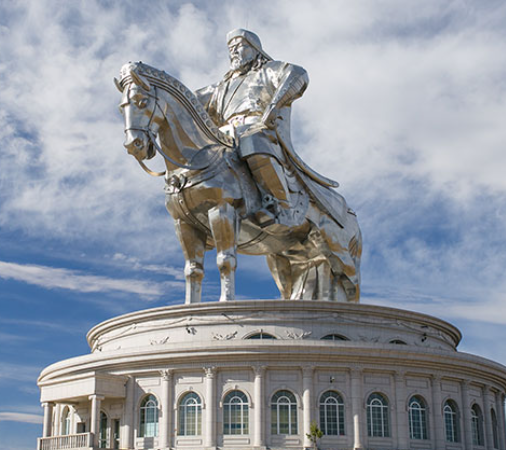
The monuments dedicated to Genghis Khan serve as profound reminders of his extraordinary influence on history and culture. They highlight not only his power and conquests but also the remarkable artistic and architectural skills of the era. In this post, we’ll explore how scale and space play crucial roles in conveying the essence of these monuments.
1. Understanding the Scale of Genghis Khan Monuments
The scale of Genghis Khan monuments often reflects the magnitude of his impact on the world. For instance, the giant statue of Genghis Khan in Mongolia stands 40 meters tall and is a striking symbol of his enduring legacy. This colossal structure is not only an artistic marvel but also a statement of national pride, demonstrating how size can correlate with historical significance.
Moreover, the expansive grounds surrounding these monuments enhance their scale. The statue is set on a vast steppe, emphasizing its grandeur and the isolation of the Mongolian landscape. Such a setting fosters a connection between the monument and the land, reinforcing the deep-rooted ties Genghis Khan had with his homeland.
-
- Visit large monuments in person to appreciate their scale fully.
-
- Observe how the scale affects your emotional response to the monument.
-
- Consider the materials used—are they as grand as the structure?
-
- Engage in local tours to understand the cultural significance behind the size.
2. The Use of Space in Genghis Khan Monuments
Space is another vital aspect of Genghis Khan monuments that significantly affects their interpretation. The arrangement of structures within the monument grounds creates a dialogue between historic and contemporary interpretations. For example, the Genghis Khan Statue Complex features a series of facilities, including a museum and a visitor center, all thoughtfully integrated into the space.
Additionally, the space surrounding the monuments often reflects the natural landscape of Mongolia, which is an integral part of the design. This purposeful use of space encourages visitors to meditate on the connection between Genghis Khan and the vast Mongolian steppes. It can also evoke feelings of wonder and respect for both the man and the land he once ruled.
-
- Explore the layout of the monument—how does it reflect the culture?
-
- Identify any natural elements used in the design.
-
- Consider how the space affects visitor flow and interactions.
-
- Visit at different times of day to see how light interacts with the space.
3. Symbolism of Scale and Space in Design
The design of Genghis Khan monuments is rich with symbolism, using scale and space to communicate deeper meanings. The imposing size of these monuments often represents power and authority, reinforcing the authority Genghis Khan wielded during his reign. In tandem, the thoughtfully designed spaces invite introspection, reminding visitors of the vastness of history and legacy.
Moreover, the choice of location is steeped in symbolism. Many monuments are situated in areas significant to Mongolian history, further underlining Genghis Khan’s profound connection to the land. This careful attention to both scale and space allows the monuments to serve as powerful reminders of cultural identity and national pride.
-
- Reflect on the symbolism of the design choices made by the architects.
-
- Look for markers or inscriptions explaining the choice of location.
-
- Think about how these designs can inspire contemporary architects.
-
- Analyze how the symbolism changes based on personal perspective.
In conclusion, the monuments dedicated to Genghis Khan leverage scale and space to convey powerful messages about identity and heritage. Whether standing in the shadow of a colossal statue or walking through an expansive complex, each encounter offers insight into a world rich with history. Take time to explore these remarkable sites, and consider the deeper meanings embedded within their grandeur.