
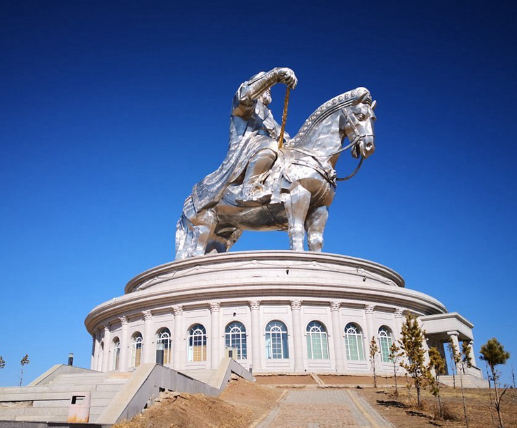
The Genghis Khan Monument, towering over Mongolia’s vast steppe, serves as a testament to the rich history and culture of the Mongolian empire. Designed to honor one of history’s most famous conquerors, this monument reflects not only architectural brilliance but also deep cultural significance.
1. Architectural Considerations in Monument Design
When designing a large-scale monument like the Genghis Khan Monument, architects must consider the environment in which it stands. The vastness of the Mongolian steppe offers both opportunities and challenges. For instance, the monument’s placement on a hill, facing the Orkhon Valley, creates a powerful visual connection to the landscape that Genghis Khan once traversed. Moreover, its materials need to withstand local weather conditions, including extreme temperatures and high winds.
Another key architectural consideration is scale. The monument, standing at 40 meters (131 feet) tall, must be proportionate to its surroundings while still appearing magnificent. The use of stainless steel not only enhances its visual appeal but also provides durability. By reflecting sunlight, the monument can interact dynamically with the changing sky and environment, creating varied aesthetic experiences throughout the day.
-
- Choose durable materials suitable for the local climate.
-
- Incorporate local historical and cultural elements in the design.
-
- Consider the monument’s visibility from various vantage points.
-
- Plan for sustainable landscape management around the site.
2. Cultural Significance and Symbolism
The Genghis Khan Monument is steeped in cultural meaning that resonates deeply with the Mongolian people. It symbolizes national pride and the revival of interest in Mongolia’s rich history. As the largest equestrian statue in the world, it stands not just as a reminder of Genghis Khan’s legacy but also as a unifying figure for contemporary Mongolia. The monument serves as an educational hub, where visitors learn about the complexities of his rule and the expansive empire he built.
Furthermore, the monument is embedded with symbolic elements, such as the golden horse and the sword Genghis Khan is depicted holding. These elements convey strength, power, and the spirit of leadership that many in Mongolia aspire to. The site also includes traditional yurts and an exhibition hall that provide insights into nomadic culture. This thoughtful integration of cultural narratives enriches the visitor experience significantly.
-
- Research local history to ensure accurate representation.
-
- Include interactive features for visitors to engage with the monument.
-
- Incorporate educational materials or guided tours at the site.
-
- Attach significance to every design choice related to local culture.
3. Visitor Experience and Community Involvement
Creating a meaningful visitor experience is central to the success of the Genghis Khan Monument. On average, thousands of tourists visit the site each year, not only to admire its grandeur but also to interact with its cultural offerings. To enhance this experience, amenities such as parking areas, gift shops, and food stalls can be integrated into the design. It’s important to provide a visitor center that offers historical context, allowing people to engage more deeply with what they are seeing.
Moreover, involving the local community in the monument’s upkeep and programming can foster a stronger connection between residents and the monument. Community-led initiatives, such as festivals or educational workshops, can serve to engage local people while promoting their rich culture to tourists. This collaborative approach can also ensure that the monument is not only a tourist attraction but a living part of the community.
-
- Gather feedback from local stakeholders during the design process.
-
- Implement visitor-oriented amenities like restrooms and information centers.
-
- Encourage local businesses to participate in the visitor experience.
-
- Design programs that invite community participation and involvement.
4. Sustainable Design Practices
In the modern era, sustainable design practices are essential for any large-scale project, including the Genghis Khan Monument. The implementation of renewable energy sources, such as solar panels that could power on-site facilities, would greatly reduce the monument’s carbon footprint. Additionally, utilizing local materials helps not only in reducing transportation emissions but also in supporting the local economy.
Sustainable water management systems must also be considered. Rainwater harvesting or natural drainage solutions can mitigate potential flooding in the area, while also keeping the surrounding landscape thriving. Educating visitors about sustainability practices through signage integrated into the landscape can further promote environmental awareness.
-
- Incorporate renewable energy solutions to power the site.
-
- Utilize local and sustainable materials in construction.
-
- Implement natural water management systems in the landscape design.
-
- Create educational materials to promote sustainability awareness among visitors.
In conclusion, the design of a large-scale monument like the Genghis Khan Statue goes beyond aesthetics; it encompasses architectural integrity, cultural representation, community involvement, and a commitment to sustainability. Whether you’re an architect, a visitor, or simply a history enthusiast, understanding these aspects is essential for appreciating the full impact of such a monumental endeavor.