
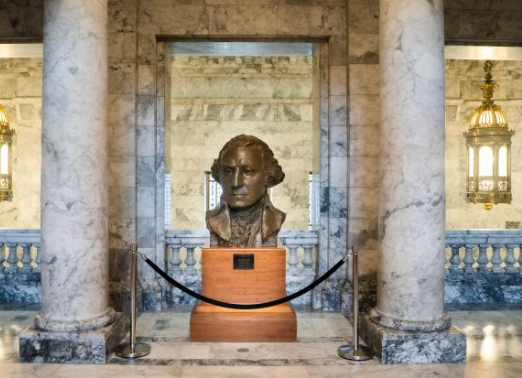
George Washington is a pivotal figure in American history, and his legacy is often captured in the form of sculptures adorning government buildings. These artistic representations not only celebrate his contributions but also enhance the architectural beauty of public spaces.
1. Significance of Washington Sculptures in Government Architecture
The presence of George Washington sculptures in government architecture serves a dual purpose; they act as both historical markers and inspirational icons. For instance, the iconic Statue of George Washington in the Virginia State Capitol embodies the ideals of leadership and integrity. These sculptures remind citizens of the values Washington espoused, such as freedom, democracy, and responsibility.
When incorporated into government buildings, these sculptures enhance both the aesthetic and cultural significance of the structure. They become focal points within the architectural design, inviting visitors to contemplate Washington’s role in shaping a nation. Places like the U.S. Capitol Building and Mount Vernon showcase various representations of Washington, enriching the visitor experience with a sense of history and reverence.
-
- Explore sculptures located in state capitols or city halls to understand local history.
-
- Research the different artistic styles used in various depictions of Washington.
-
- Attend guided tours to learn about the stories behind these artworks.
-
- Consider how these sculptures contribute to civic identity and pride.
2. Notable Examples of Washington Sculptures
Among the most notable sculptures of George Washington is the colossal statue created by Jean-Antoine Houdon. This masterpiece, located in the Virginia State Capitol, is renowned for its realistic representation and attention to detail. Houdon’s work was commissioned in 1785 and reflects the neoclassical style that was prevalent during that era, embodying the ideals of reason and civic virtue associated with Washington.
Another significant sculpture is the bronze statue of George Washington atop his horse, located in Union Square Park, New York City. This statue is an example of how Washington’s image has been interpreted in different contexts, representing leadership during the American Revolution. These notable examples serve as gateways for visitors to engage with the past and understand the implications of leadership and sacrifice.
-
- Visit prominent sculptures in your area to appreciate their scale and artistry.
-
- Document your experiences with these public art pieces through photography.
-
- Host discussions or writing sessions based on the themes represented in the sculptures.
-
- Consider attending local historical events to learn more about Washington’s legacy.
3. The Impact of Sculpture on Public Spaces
Public sculptures of George Washington contribute significantly to the landscape of civic spaces. They invite citizens to engage with their environment and history, fostering a sense of community. For instance, schools and educational institutions often incorporate these sculptures into their curriculum, teaching students about the principles of democracy and leadership through interactive field trips.
Moreover, such sculptures can stimulate dialogue regarding contemporary issues. By embodying Washington’s virtues, they provide a platform for discussing governance, civic action, and community responsibilities. As a result, these artworks transcend mere decoration, becoming integral to a collective understanding of American identity and values.
-
- Encourage local authorities to maintain these public artworks for community engagement.
-
- Leverage social media to raise awareness about nearby sculptures and their significance.
-
- Actively participate in community events focusing on the history of your local sculptures.
-
- Support or initiate art programs that connect local artists with historical themes.
As we explore the vital role of George Washington sculptures in government architecture, it becomes evident that they are more than mere embellishments; they are powerful reminders of our shared history. Engage with these historical landmarks and honor the legacy they represent in various ways.