
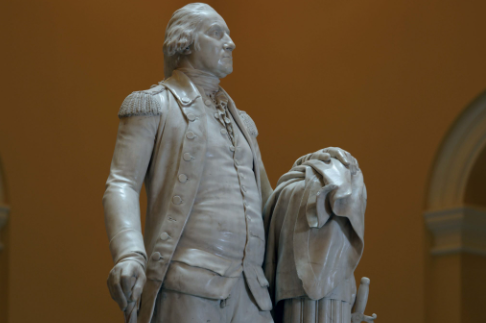
George Washington is often revered for his pivotal role in American history, and sculptures dedicated to him serve as remarkable representations of leadership and resilience. These artistic renderings not only capture his likeness but also symbolize his character traits and values that resonate with ideals of leadership even in contemporary society.
1. The Iconic Stature of Leadership
One of the most recognizable sculptures of George Washington is the statue located in the United States Capitol. Here, Washington is depicted in a commanding pose, embodying strength and authority. This representation was specifically chosen to convey his role as a leader who united a fledgling nation. The statue’s posture, with arms held wide as if to embrace the nation, exemplifies his willingness to guide and protect the country he helped create.
Additionally, Washington’s sculptures often feature him in military attire, reinforcing his image not only as a political leader but also as a military commander. This duality speaks to the complexities of leadership, especially during times of conflict. Sculptors have intentionally chosen to present Washington in this way, underlining the importance of battle-tested leadership in achieving peace and success for a society.
-
- Visit historical sites featuring Washington’s statues to appreciate their significance.
-
- Learn about the context in which each sculpture was created.
-
- Reflect on what qualities of leadership Washington embodies for today’s leaders.
-
- Engage in discussions about the role of leadership in your community.
2. Symbolism of Liberty and Sacrifice
Many sculptures of Washington include elements symbolizing liberty and sacrifice, highlighting his commitment to the ideals of freedom. For instance, the Washington Monument is not just a towering structure; it represents the sacrifice, perseverance, and vision that Washington had for the United States. Its tall, obelisk design serves as a perpetual reminder of the heights that American democracy can achieve.
Other sculptures include imagery of the American flag or elements signifying peace, which serve to reinforce Washington’s enduring legacy as a champion of liberty. These symbols send a message about the sacrifices made in the name of freedom, urging everyone to appreciate the weight of the responsibility that comes with leadership. From his involvement in the Revolutionary War to his presidency, each artistic work encourages viewers to reflect on what freedom truly means.
-
- Research the symbolism behind different sculptures of Washington.
-
- Analyze how these symbols can apply to current leadership challenges.
-
- Consider how sacrifices shape the understanding of freedom.
-
- Participate in events that celebrate leadership and liberty.
3. The Legacy of Integrity and Character
Beyond the physical representation, Washington’s sculptures communicate a message of integrity and character, serving as a model for effective leadership. The statue on horseback in New York City exemplifies his heroic stature, indicating his steadfastness and moral compass. Artists deliberately emphasize his facial expression and posture to illustrate the resolute nature of a leader who remains calm and composed under pressure.
The choices made in the representation of Washington exhibit qualities such as honesty and reliability. These traits are vital for leaders today, who are consistently expected to navigate through challenges without compromising their values. Washington’s legacy challenges current leaders to remain steadfast in their principles and lead with integrity, inspiring others to do the same.
-
- Identify traits displayed in Washington’s sculptures that resonate with you.
-
- Focus on developing integrity and character in your own leadership style.
-
- Encourage transparency and honesty in your own leadership endeavors.
-
- Share stories of integrity to inspire others around you.
4. Inspiring Future Generations
The symbolism embedded in Washington’s sculptures goes beyond mere art; they serve as beacons of inspiration for future generations of leaders. As students and young individuals encounter these sculptures, they are reminded of the potential they hold in shaping their communities and the world. This connection to the past serves as a crucial tool for understanding the kind of leadership needed for the future.
Moreover, these representations encourage dialogue about what it means to be a leader today. Engaging with these artworks offers a valuable opportunity to explore ethics, decision-making, and the importance of civic engagement. By studying Washington’s contributions and the ideals symbolized in these sculptures, emerging leaders are inspired to uphold these principles in their lives and careers.
-
- Encourage youth to participate in discussions about leadership and civic responsibility.
-
- Organize field trips to visit Washington statues and monuments.
-
- Create programs that encourage critical thinking about leadership ideals.
-
- Promote mentorship opportunities that connect youth with leaders in their communities.
In conclusion, the sculptures of George Washington not only honor his memory but also encapsulate vital themes of leadership that remain relevant today. As we reflect on the symbolism these artworks convey, let us strive to embody the same traits of integrity, sacrifice, and inspiration in our own lives. Start a conversation about leadership in your community and embrace the lessons this historical legacy offers for future generations.