
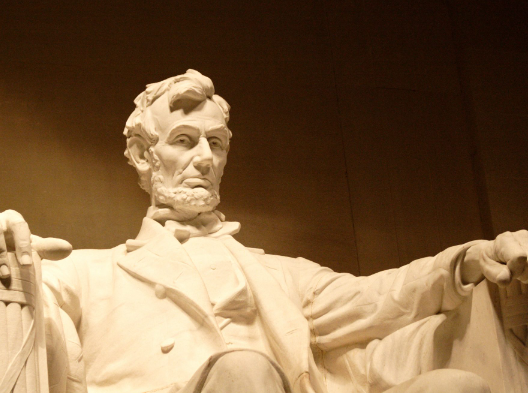
Lincoln statues across the United States serve as enduring symbols of democratic ideals, representing freedom, equality, and unity. These monuments not only commemorate Abraham Lincoln’s contributions to American history but also embody the values that underpin our democratic system.
1. The Historical Significance of Lincoln Statues
Abraham Lincoln, the 16th President of the United States, is best remembered for his leadership during the Civil War and the Emancipation Proclamation, which aimed to abolish slavery. Lincoln statues emerged as a means to honor his legacy, symbolizing the triumph of democracy over division and tyranny. Statues like the one at the Lincoln Memorial in Washington, D.C., were erected to serve as reminders of the ongoing struggle for civil rights and equality.
These monuments are often strategically placed in public spaces, making them accessible to diverse audiences. They draw attention not only to Lincoln’s accomplishments but also to the ideals of perseverance and resilience that he represented, encouraging citizens to engage with their democracy actively. Many of these statues encourage dialogue about race, justice, and the ongoing fight for equality.
-
- Visit local history museums to learn more about Lincoln and his impact on democracy.
-
- Participate in community discussions focused on civil rights and their connection to Lincoln’s ideals.
-
- Encourage young people to read about Lincoln’s life to foster appreciation for democratic values.
-
- Share stories on social media about the significance of Lincoln statues in your community.
2. The Symbolic Representation of Liberty and Equality
Lincoln statues serve as powerful symbols of liberty and equality, embodying the concept that all individuals are created equal. The imagery of Lincoln, often depicted in a seated or standing position with a contemplative expression, reinforces his role as a unifier who sought to bridge the divides within a fractured nation. Statues like the one in Springfield, Illinois, remind us of his humble beginnings and rise to leadership, inspiring citizens to embrace their own potential to effect change.
The specific placement of these statues also adds layers of meaning. Statues located in bustling public squares encourage active engagement from citizens, while those in quieter settings invite contemplation. This encourages a deeper understanding of the democratic ideals that Lincoln championed, emphasizing the importance of civic responsibility and the need for ongoing activism in the quest for social justice.
-
- Reflect on the symbolism of local Lincoln statues, considering their messages about equality.
-
- Encourage discussions on how these ideals can be applied today.
-
- Attend events or ceremonies held at Lincoln statue locations to deepen your understanding.
-
- Document personal interactions with these statues through journaling or photography.
3. The Role of Lincoln Statues in Modern Activism
In today’s climate, Lincoln statues are often at the center of modern activism, representing a myriad of perspectives on race and justice. Many activists use these monuments as platforms to voice their demands for equality and reforms in legislative policies. For instance, gatherings have been held at the Lincoln Memorial to advocate for voting rights, police reform, and other critical issues affecting marginalized communities.
Additionally, some statues have sparked controversy and debate regarding their interpretation, leading to discussions about how history is remembered and represented in public spaces. Communities are now more actively involved in these conversations, using Lincoln’s legacy as a point of reference to address contemporary issues and reaffirm democratic values in a diverse society.
-
- Participate in local or national movements that emphasize civil rights.
-
- Engage with educational resources to better understand the complexities surrounding Lincoln’s legacy.
-
- Support public art initiatives that strive to represent all voices in society.
-
- Advocate for inclusive public discussions around the interpretation of historical monuments.
4. Preserving Lincoln Statues for Future Generations
The preservation of Lincoln statues is vital for ensuring that future generations continue to receive the messages of democracy and unity they symbolize. Many statues face challenges due to neglect, weathering, and political disputes surrounding their relevance. Local governments, communities, and preservation organizations are often tasked with maintaining these important historical landmarks.
Efforts to preserve these statues include systematic cleaning, restoration projects, and community-funded initiatives. Engaging the community in preservation efforts not only maintains these monuments but also fosters a shared sense of responsibility for upholding democratic ideals. This involvement encourages citizens to actively participate in the safeguarding of their heritage and history.
-
- Join local preservation groups to help maintain and restore Lincoln statues.
-
- Organize or participate in community clean-up days around local monuments.
-
- Educate others about the importance of preserving historical landmarks.
-
- Advocate for funding and support for historical preservation initiatives.
In conclusion, Lincoln statues serve as powerful representations of democratic ideals, reminding us of the values of equality, liberty, and civic engagement. By understanding and preserving these monuments, we can ensure that their messages continue to inspire future generations. Take the next step by engaging with your local community to advocate for the ideals that these statues represent, and participate actively in democratic processes.