
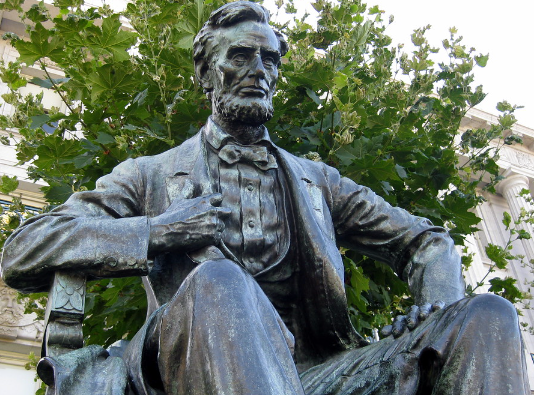
Abraham Lincoln remains one of America’s most revered presidents, symbolizing unity, resilience, and the fight for equality. Statues of Lincoln can be found in various civic and government spaces across the nation, each telling a unique story that resonates with both history and contemporary society.
1. Historical Significance of Lincoln Statues
According to historical records, Abraham Lincoln statues were erected primarily to honor his pivotal role in the American Civil War and his enduring legacy of emancipation. The most iconic among them is the Lincoln Memorial in Washington, D.C., which draws millions of visitors each year. Designed by architect Henry Bacon and completed in 1922, this monument encapsulates Lincoln’s vision of equality and has become a prominent site for civil rights demonstrations.
Many civic spaces across the U.S. celebrate Lincoln through sculptures, busts, and murals. For instance, the statue in Chicago’s Lincoln Park pays homage to his connection to the city where he made impactful speeches. These statues serve more than just aesthetic purposes; they act as educational tools, prompting discussions about history, governance, and civil rights.
-
- Learn about the context behind each statue before visiting.
-
- Engage in local history programs or workshops offered in civic spaces.
-
- Consider the artistic style and symbolism embodied in each statue.
-
- Participate in discussions during community events honoring Lincoln.
2. Statues and Contemporary Civic Engagement
In today’s society, statues of Lincoln often become focal points for civic engagement and discussions regarding racial equality and justice. Events such as rallies and educational programs often take place in their vicinity, making them relevant to current social movements. For example, the Lincoln Memorial has been the site of numerous significant civil rights speeches, including Dr. Martin Luther King Jr.’s “I Have a Dream.”
Statues also evoke a sense of accountability, reflecting the ongoing quest for freedom and equality. Various organizations leverage Lincoln’s legacy to inspire civic action, advocating for informed discussions about history and social justice. This connection encourages communities to reflect on their past to create a more inclusive future.
-
- Organize community discussions around the issues highlighted by Lincoln’s legacy.
-
- Attend or host local events focused on civil rights and social justice.
-
- Share stories about the significance of these monuments on social media.
-
- Support organizations that promote civic engagement inspired by Lincoln’s values.
3. The Role of Lincoln Statues in Education
Abraham Lincoln statues serve as powerful educational tools, helping to teach young people about American history, democracy, and social responsibility. Schools often organize field trips to these civic spaces, allowing students to engage directly with history. Through interactive activities, students can gain a deeper understanding of Lincoln’s contributions and the broader themes of freedom, equality, and responsibility in governance.
Additionally, educational programs hosted at civic spaces allow for critical discussions about civil rights, past injustices, and present-day challenges. Some programs even involve partnerships between schools and local governments to create workshops that foster dialogue among different demographic groups. This multifaceted approach ensures that Lincoln’s legacy continues to resonate and evolve with each generation.
-
- Educators should integrate visits to Lincoln statues into history curricula.
-
- Develop projects that encourage students to research local Lincoln statues.
-
- Encourage students to participate in community programs related to civic education.
-
- Support cross-community dialogues about historical context and its relevance.
4. Challenges and Controversies Surrounding Lincoln Statues
While Lincoln is generally celebrated as a unifying figure, some criticisms arise surrounding his statues. Certain communities contend that while Lincoln advocated for emancipation, his policies did not fully address the complexities and nuances of race relations in America. As such, conversations around these statues can lead to polarizing opinions.
The debates emphasize the importance of contextualizing historical figures like Lincoln. Many cities are now holding discussions on how to best present these statues to encourage thoughtful dialogue rather than divisiveness. This engagement helps communities reassess their understanding of history and its moral implications in today’s society.
-
- Engage in open discussions about the controversies surrounding historical figures.
-
- Encourage balanced perspectives on Lincoln’s legacy in educational settings.
-
- Advocate for accurate placards that explain the context of each statue.
-
- Be open to re-evaluating historical narratives as new information becomes available.
5. Preservation and Maintenance of Lincoln Statues
The preservation and maintenance of Lincoln statues are crucial to ensuring they continue to serve as sources of inspiration and education. Many of these statues face natural wear, vandalism, and environmental factors that can deteriorate their condition over time. Local governments and organizations often collaborate to fund restoration projects tailored to preserve the artistic integrity and historical significance of these figures.
Community involvement also plays a vital role in maintaining these civic monuments. Local citizens can volunteer for clean-up days or participate in fundraising for preservation efforts, thus cultivating a shared responsibility for local history. This collective approach not only protects these important pieces of art but also fosters community pride and engagement.
-
- Volunteer for local cleaning or maintenance events focused on civic monuments.
-
- Promote awareness about the importance of keeping statues in good condition.
-
- Participate in fundraising efforts aimed at preservation projects.
-
- Report any vandalism or damage to local authorities promptly.
In conclusion, the statues of Abraham Lincoln continue to hold profound significance in civic and government spaces across the United States. By engaging in discussions, participating in educational programs, and preserving these monuments, we can ensure that Lincoln’s legacy inspires future generations. Take the time to explore local statues in your area and reflect on their meanings, encouraging thoughtful dialogue that enriches community understanding.