
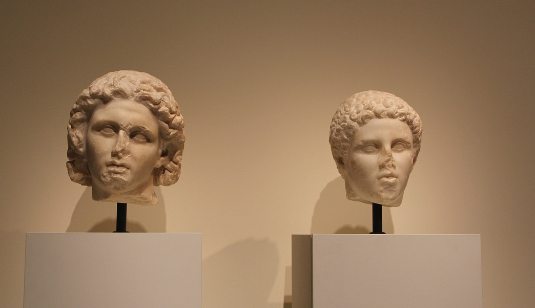
The sculptural representation of Alexander the Great is not just an artistic feat; it embodies deep symbolism relating to youth and power. This portrayal serves as a reflection of the values and aspirations of ancient civilizations, particularly during the Hellenistic period.
1. Youth as a Representation of Vitality and Ambition
The youthfulness of Alexander the Great in sculptures symbolizes boundless energy, ambition, and the relentless pursuit of greatness. This ideal is further emphasized in how artists often depict him with features that resonate with vigor: strong cheekbones, an intense gaze, and well-defined muscles. These characteristics are essential to understanding why Alexander was celebrated not only as a conqueror but also as a leader who inspired youth to strive for excellence.
In ancient Greece, youth was often associated with potential and future promise. Sculptors captured Alexander’s age during his reign—approximately 20 to 30 years—highlighting the narrative of a young man overshadowing older, more experienced generals. This portrayal serves to inspire viewers, suggesting that greatness can be achieved regardless of age. By emphasizing this youthful persona, sculptors were also staking their claim to ideals that resonated with their society’s values at the time.
-
- Examine youthful figures in classical art.
-
- Recognize how ambition is portrayed through physical attributes.
-
- Consider the cultural contexts of youth in ancient civilizations.
-
- Explore how ambition shapes identity in artistic representations.
2. Power and Control in Alexander’s Sculptural Imagery
Power is a dominating theme in Alexander the Great’s sculptures. His stance—often depicted in heroic poses—projecting authority and control over his surroundings, serves as a vivid representation of his military prowess. Many sculptures present him mounted on a horse, with a postured confidence that communicates dominance. These artistic elements are central to the narrative of Alexander as a paragon of leadership and intellectual capacity.
The juxtaposition of youth and power in these sculptures speaks volumes about the societal expectations of leaders during this period. As Alexander triumphed over vast territories, the sculptures symbolized not only his military achievements but also an ideal model for leadership. They encouraged aspiring leaders to engage with their youthful energy while wielding power effectively, thereby pushing the boundaries of what could be achieved at a young age.
-
- Analyze the posture and positioning in Alexander’s sculptures.
-
- Discuss how physical representation impacts perceptions of power.
-
- Reflect on Alexander’s historical significance and its influence on future leaders.
-
- Examine how leaders in contemporary society embody similar traits.
3. The Legacy of Alexander’s Symbolism in Modern Culture
The legacy of Alexander the Great transcends time, continuing to resonate with modern representations of youth and power. His influence persists in various forms of visual art, literature, and even popular culture, where depictions of powerful leaders are often linked to youthful ambition. Modern-day leaders frequently invoke Alexander as a symbol of victorious ambition and unyielding spirit.
Today, his representation serves as a rallying point for young leaders and ambitious individuals in various fields. Artistic depictions remind society that youth is not merely a phase of life but a powerful tool for change and improvement. The qualities displayed in these sculptures inspire individuals to strive for leadership roles, embodying the same fervor and drive that characterized Alexander’s life.
-
- Reflect on how cultural icons both challenge and inspire youth today.
-
- Engage with art that depicts powerful figures similarly to Alexander.
-
- Utilize historical lessons in personal development and leadership.
-
- Connect with organizations that inspire young leaders.
In conclusion, the symbolism of youth and power encapsulated in Alexander the Great’s sculptures continues to inspire through the ages. By exploring these profound representations, we can draw insights that are applicable to our lives today. Consider delving deeper into historical figures and learning how their journeys can guide your own path toward leadership and ambition.