
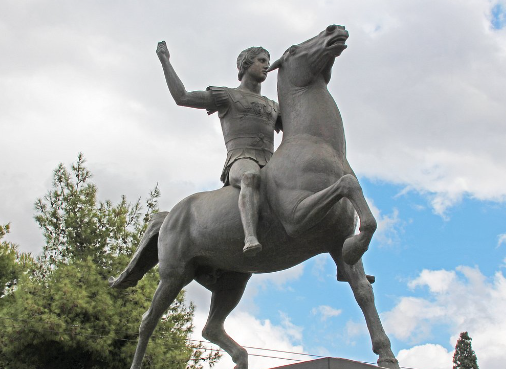
The statues of Alexander the Great serve not only as artistic representations of this historic figure but also as symbols of cultural pride and identity across various landscapes. These monumental sculptures can be found in locations that reflect both historical significance and artistic expression, making them fascinating subjects for exploration.
1. The Locations of Alexander the Great Statues
Across the world, numerous statues of Alexander the Great stand in prominent locations, each telling its own story. For example, the statue in Thessaloniki, Greece, holds a significant place in the city’s maritime heritage, standing proudly as a tribute to its famous resident. The equestrian statue captures a dynamic pose, showcasing Alexander on horseback, which symbolizes not only his military prowess but also his connection to the Mediterranean and its rich history.
In addition to Greece, other notable statues can be found in places such as India, where the statue in Ahmedabad commemorates Alexander’s historical journey into Bharat. These statues are crucial in showcasing the cultural exchanges that occurred during Alexander’s conquests, illuminating how far-reaching his influence really was.
-
- Research the historical significance of various statues.
-
- Explore local museums for more context on these monuments.
-
- Consider visiting the locations for a firsthand experience.
-
- Take photographs to capture the essence of each statue.
2. Artistic Interpretations and Styles
The artistic styles of Alexander the Great statues vary significantly, reflecting the cultural influences of the regions in which they were created. For instance, the Hellenistic style, noted for its realistic human forms and movements, can be seen in many Greek statues. In contrast, Indian sculptures often incorporate local artistic traditions, blending Greek influences with indigenous styles, leading to a unique representation of Alexander that speaks to both cultures.
These artistic differences offer insights into the societal values and aesthetics of the periods and places where they were made. For example, the exaggerated features found in Classical Greek art emphasize idealized forms, while Indian sculptures may focus on spirituality and harmony with nature. This diversity not only highlights the cultural significance of Alexander but also enriches our understanding of historical artistic movements.
-
- Visit galleries to see how different cultures depict historical figures.
-
- Read about the art movements relevant to the statues.
-
- Attend lectures or workshops on classical art forms.
-
- Start a collection of images of different styles to compare.
3. The Legacy of Alexander the Great Statues
These statues do not merely represent a moment in history; they embody the lasting legacy of Alexander the Great and the way cultures choose to remember him. For example, many political leaders and conquerors throughout history have looked to Alexander as a model for leadership. Statues are often erected not just as memorials, but also as lessons in ambition and innovation, inspiring generations to come.
The presence of these statues in public spaces can also spark conversations about power, legacy, and cultural identity. They challenge viewers to contemplate what traits we hold valuable in our leaders, influencing thoughts on contemporary figures. As a result, discussions surrounding these statues can lead to greater awareness of the complexities of history and the ongoing shaping of cultural narratives.
-
- Engage in discussions about the legacy of historical figures.
-
- Read biographies of important leaders, including Alexander.
-
- Participate in community events related to local monuments.
-
- Explore documentaries about Alexander’s impact on various cultures.
In conclusion, the statues of Alexander the Great are deeply embedded in the cultural fabric of their locations, offering a blend of artistic expression and historical significance. Engaging with these monuments allows for a richer understanding of not only Alexander’s legacy but also of the cultures that celebrate him. Consider exploring your local history or visiting nearby statues to appreciate these remarkable artistic tributes.