
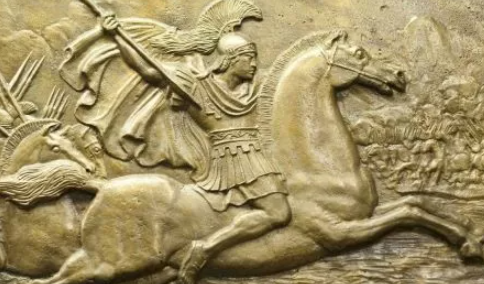
Throughout history, few figures have captured the imagination as profoundly as Alexander the Great. His conquests and leadership epitomize strength, and artistic endeavors capturing his essence in bronze serve to immortalize his legacy. This blog post explores the significance of bronze sculptures of Alexander the Great, the techniques involved in their creation, and the impact these artworks have had in the art world.
1. The Historical Impact of Alexander the Great in Art
Alexander the Great is not only known for his military prowess but also for his influence on culture and art. His campaigns spread Hellenistic culture across vast regions, which led to a fusion of Eastern and Western artistic styles. Bronzes depicting Alexander often emphasize his youthful vigor and heroic attributes, cementing his image as an ideal leader in the eyes of many civilizations.
Observations of these sculptures highlight how artists of the time employed realism to enhance the emotional resonance of their works. For instance, the famous statue “Alexander the Great on Horseback,” often found in various replicas, captures his dynamic relationship with his horse Bucephalus, illustrating an elegant balance of motion and power. In addition to aesthetic value, these sculptures served as political propaganda, reinforcing Alexander’s status as a deity-like figure in many cultures.
-
- Research the Hellenistic period for a deeper understanding of cultural influences.
-
- Visit museums with collections of Greek and Roman bronzes for firsthand experience.
-
- Explore documentaries showcasing Alexander’s military campaigns to see historical context.
-
- Consider how art serves to shape public perception of leaders throughout history.
2. Techniques in Bronze Sculpture: Creating Alexander
The process of sculpting in bronze is a meticulous art form that has been perfected over centuries. One common method used during Alexander’s time was the “lost-wax” technique, which allowed for intricate details and lifelike representations to be achieved. This process involves creating a wax model, encasing it in clay, and then melting the wax away to leave a mold for the molten bronze. The final product is often celebrated for its durability and ability to capture fine textures such as fabric and skin.
Modern bronze sculptors continue to use this ancient method, sometimes combining it with contemporary techniques to push the boundaries of creativity. The skilled artisans can replicate historically significant pieces while also exploring new interpretations of Alexander’s spirit and character, showcasing multiple aspects of his persona—from the fierce warrior to the thoughtful ruler. Beyond the lost-wax technique, artists use patinas to create varied colors and textures, enriching the visualization of different themes.
-
- Learn about the lost-wax method through online tutorials or workshops.
-
- Gather materials to experiment with small bronze casts at home.
-
- Visit workshops specializing in bronze to observe techniques live.
-
- Keep a journal of your ideas for themes you would like to express through sculpture.
3. Modern Interpretations and Their Significance
In recent years, contemporary artists have sought to reinterpret Alexander the Great through new lenses. Some sculptures draw on abstract forms, transforming Alexander’s iconic image into an expression of modern themes such as leadership and ambition. These pieces often evoke discussions about the complexities of power and the dualities of conquest—heroism contrasted with violence.
Social commentary is prevalent in these modern works, challenging viewers to consider the repercussions of Alexander’s campaigns. Artists utilize mixed media and innovative installations to prompt critical reflection on historical narratives and their impact. This advancement in interpretation not only honors Alexander’s legacy but also amplifies conversations around contemporary leadership, courage, and the morality of conquest in the modern world.
-
- Attend exhibitions featuring modern sculptures to gain diverse perspectives.
-
- Engage in discussions on social media regarding the interpretation of historical figures.
-
- Follow contemporary artists who focus on historical themes to track their work and influence.
-
- Consider how you might depict significant concepts in your creative projects or daily life.
In conclusion, the legacy of Alexander the Great extends beyond history books into the realm of art, particularly through bronze sculptures that encapsulate his indomitable spirit. Understanding the historical context, sculpting techniques, and modern interpretations will enrich your appreciation of these masterpieces. As you explore this fascinating world further, consider consulting with professionals or visiting local art installations to deepen your understanding and inspire your creative endeavors.