
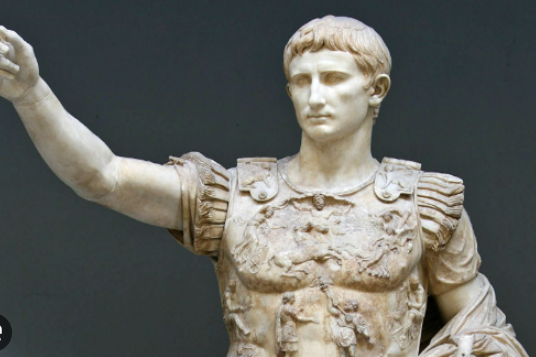
Julius Caesar is a name that resonates through history, not just for his political strides and military conquests but also for his iconic representation in art. Toga statues of Caesar abound in museums and public spaces, serving as a testament to his influence on Roman culture and governance. Understanding why these representations are widespread enriches our appreciation of both art and history.
1. Symbolism of the Toga
In Ancient Rome, the toga was more than just a garment; it was a symbol of Roman citizenship and social status. Wealthy Romans, especially men of political importance, wore togas as a sign of their status and dignity. When sculptors chose to depict Julius Caesar in a toga, they were not just showing his physical form; they were also reinforcing his identity as a leader and a citizen of Rome. The toga’s flowing fabric and distinctive drapery adds an element of grandeur, emphasizing his authority and the respect he commanded.
The toga also had practical implications in Roman society, often associated with civic duties and public engagements. By being depicted in a toga, Caesar was visually communicating his role as a public servant and his connection to traditional Roman values. This connection was crucial, especially as he navigated turbulent political waters and sought to legitimize his rule amid growing unrest and opposition.
-
- The toga signifies Roman citizenship.
-
- It conveys social status and respectability.
-
- Artistic draping enhances the portrayal of authority.
-
- Use in public contexts reinforces civic duty.
2. Cultural and Historical Significance
Julius Caesar’s image in toga statues also plays a vital role in understanding Roman culture. Rome was deeply influenced by the notion of virtue, which was often embodied in its leaders. Caesar was a controversial figure—his rise to power and subsequent assassination overshadowed personal achievements. The toga served as a visual reminder of Italy’s political landscape, showcasing a leader who was both revered and reviled.
These statues transcend mere decoration; they serve as historical records. Many of them were strategically placed across the Roman Empire, acting as political propaganda to promote Caesar’s image even after death. This led to a style of governance that intertwined personal legacy with public memory, making the toga an enduring aspect of how leaders were memorialized in Rome.
-
- Understand the virtues represented through the toga.
-
- Explore the political messages conveyed by Caesar’s statues.
-
- Examine how public memory plays a role in statecraft.
-
- Consider the locations of these statues for their impact.
3. Artistic Techniques Employed in Toga Statues
The artistry behind toga statues of Julius Caesar is a brilliant fusion of skill and symbolism. Artists utilized a variety of techniques to create the illusion of movement and fluidity in the toga, paying close attention to the fabric’s folds and how they draped around the body. Each crease serves a purpose, reflecting not just the garment’s volume but also the character of the subject. Notably, during the Roman Republican period, artists sought to prioritize realism while simultaneously idealizing the portrayed figures.
In addition, the choice of materials also contributed to the statues’ durability and aesthetic appeal. Sculptors often utilized marble, a material associated with nobility and endurance, which allowed for intricate details and finishes. Over time, various styles have emerged in toga sculptures, ranging from hyper-realistic depictions to more stylized representations, allowing historians to trace cultural shifts through art.
-
- Notice the texture and details in the toga’s folds.
-
- Identify materials used in different statues.
-
- Explore stylistic changes over time in Roman sculpture.
-
- Appreciate the balance between realism and idealization.
4. The Legacy of Toga Statues
Even in contemporary times, the legacy of Julius Caesar’s toga statues can be seen influencing modern representations of power and leadership. These statues have inspired a myriad of artistic and pop culture references, showcasing how the symbolism of Roman leadership persists. In films, literature, and political discourse, the toga remains a powerful emblem, often evoking discussions about authority and governance.
Moreover, the fascination with Caesar’s statues reflects our ongoing interest in the dynamics of power. Citizens today often draw parallels between historical figures and modern leaders, creating a dialogue that helps us better understand the implications of leadership in contemporary society. Such representations prompt us to think critically about how power is displayed and what it signifies for the citizenry.
-
- Reflect on how Julius Caesar influences modern leadership discourse.
-
- Investigate how cultural artifacts shape our view of power.
-
- Look for references in modern art and entertainment.
-
- Discuss the implications of historical legacies in contemporary governance.
In conclusion, the significance of Julius Caesar’s toga statues extends beyond mere aesthetic appeal. They serve as a lens through which we can view the interplay of culture, art, and politics in ancient Rome. As you explore these representations, consider how they inform our understanding of leadership and citizenship both then and now. Taking a closer look at such historical artifacts can deepen your appreciation for the intricacies of civilization and shared human experience.