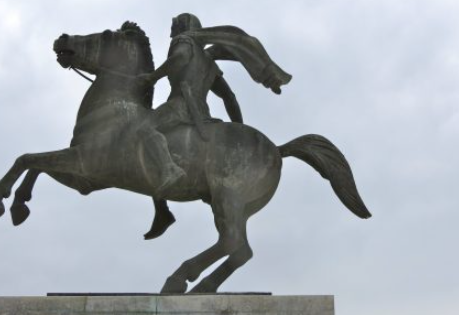
The equestrian sculptures of Alexander the Great represent more than just artistic achievement; they capture a dynamic moment in history and embody movement and emotion. Understanding the intricacies of these sculptures can deepen our appreciation for their historical significance and the technical skill involved in their creation.
1. Capturing Movement in Equestrian Art
Dynamic movement in equestrian sculptures, particularly those depicting Alexander the Great, is about more than just the position of horses and riders. The way artists depict the flow of man and beast often echoes the energy and power of the historical events they immortalize. For instance, in the famous sculpture “Alexander the Great on Horseback,” the horse is shown in mid-gallop with muscles tensed, showcasing not just motion but also the ferocity of battle. This representation enhances the narrative, making the viewer feel the speed and intensity of the moment.
The artistry involved in capturing this movement requires a strong understanding of anatomy and kinetic energy. Artists often studied live horses and riders to accurately portray the physicality of motion. Classical techniques such as contrapposto and the careful placement of limbs contribute to an illusion that the sculpture could leap into action. When examining different sculptures, one can notice variations in how each artist conveys speed, tension, and fineness of detail, allowing viewers to grasp the emotional context of the piece.
-
- Visit local museums to view equestrian sculptures in person.
-
- Research artists known for their dynamic style, such as Lysippus.
-
- Take a workshop on horse anatomy to understand movement better.
-
- Observe live horses at a stable to see their natural movements.
-
- Engage with online courses on classical sculpture techniques.
2. Symbolism of Power and Leadership
Equestrian sculptures of Alexander serve a dual purpose: as artistic masterpieces and symbols of power and leadership. These artworks were often commissioned by rulers to project authority and valor. The embodiment of Alexander astride his horse represents not just his military prowess but also his divine right to rule, providing a visual narrative that enhanced his legacy. Indeed, in many cultures, the image of a mounted leader evokes a sense of strength and control, positioning the ruler as larger-than-life.
The symbolism extends beyond physical power; it also represents the unyielding spirit of a leader facing challenges. The choice of pose, often mid-stride or at the peak of a rearing horse, symbolizes movement and progress—qualities essential to effective leadership. Each aspect of these works invites reflection on the responsibilities of leadership, urging viewers to consider the impact of rulers like Alexander on their societies.
-
- Study the historical context of Alexander’s reign to appreciate the symbolism.
-
- Analyze how leadership is displayed in different cultures through art.
-
- Consider the emotional response inspired by different poses in sculptures.
-
- Reflect on the qualities you admire in leaders today.
-
- Explore the intersection of art and politics for deeper understanding.
3. Techniques Used in Equestrian Sculpture
The techniques used in creating dynamic equestrian sculptures have evolved, yet classical methods continue to influence modern artists. Traditional methods like bronze casting and marble carving allow for intricate details that bring motion to life. The lost-wax casting method, for example, enables artists to create fine details in the horse’s musculature and the rider’s attire, elevating the dynamism of the sculpture. By employing textures and finishes, artists can suggest the soft sheen of a horse’s coat or the heavy drape of a warrior’s cloak.
Modern techniques also incorporate materials such as foam or plastics for temporary installations, reflecting contemporary methods of showcasing movement. Digital technologies, like kinetic sculpture or 3D printing, allow for dynamic art that can change form or move, drawing inspiration from the captivating energy seen in historical pieces. Artists today look back at the craftsmanship of the past while integrating new technology to push the boundaries of how movement is represented.
-
- Research various materials and their properties for sculpture creation.
-
- Experiment with different sculpting techniques in your art projects.
-
- Attend exhibitions showcasing both classical and modern sculpture.
-
- Join workshops focused on bronze casting or marble sculpting.
-
- Explore how technology can intersect with traditional artistry.
In summary, understanding the dynamic movement in Alexander the Great equestrian sculptures offers an enriching perspective on both art and history. Delve deeper into this fascinating topic by visiting museums, taking courses, or even creating your own art inspired by these timeless pieces. The legacy of Alexander lives on through the power and motion encapsulated in these sculptures.