
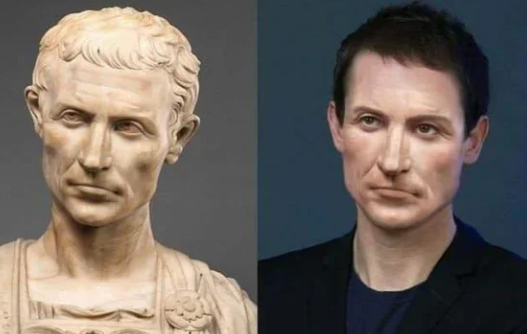
Julius Caesar has been a pivotal figure in history, and his legacy continues to inspire artists today. Modern reinterpretations of Caesar in sculpture reflect a blend of historical homage and contemporary creativity, offering a fresh perspective on his life and influence.
1. The Influence of Contemporary Themes
Many modern sculptures of Julius Caesar incorporate current social and political themes, allowing the artist to comment on issues such as leadership, power, and betrayal. For instance, an artist might depict Caesar in a pose that mirrors modern political figures, challenging viewers to draw parallels between ancient Rome and today’s governance. This connection encourages deeper reflection on how history often repeats itself in the realm of leadership.
One notable example is the work of contemporary sculptor Kehinde Wiley, who often grafts historical figures into modern contexts. In his reinterpretation of Julius Caesar, Wiley might portray him adorned in modern streetwear, surrounded by elements reflecting contemporary urban culture. This kind of work prompts discussion about what it means to be a leader in today’s world and how societal perceptions of power have evolved.
-
- Research the historical context of Caesar’s life.
-
- Explore various artists’ interpretations to gain inspiration.
-
- Identify themes in contemporary society that resonate with Caesar’s story.
-
- Consider how materials can enhance the modern message of your sculpture.
2. Materials and Techniques
Modern artists are using innovative materials and techniques to reinterpret Julius Caesar in ways that traditional sculptures could not achieve. For example, using materials like recycled plastics or unusual metals allows sculptors to create works that question the permanence of legacy and the fragility of power. The choice of material often influences the emotional response from the viewer, reinforcing the work’s thematic message.
Techniques such as 3D printing and digital modeling have become popular among contemporary sculptors. These technologies enable artists to experiment with form and scale, creating pieces that may be impossible to realize through conventional sculpting methods. For instance, a large-scale installation of Caesar might integrate animated elements or interactive features that engage the audience physically and emotionally.
-
- Experiment with different materials to find a unique expression.
-
- Learn about innovative techniques that can transform your sculpture.
-
- Consider the environmental impact of your chosen materials.
-
- Incorporate technology to create an immersive experience.
3. Engaging the Audience
Modern sculptures of Julius Caesar are often designed to engage viewers on multiple levels, inviting them to ponder the implications of power dynamics and the fragility of legacy. By employing interactive installations or augmented reality, artists create a dialogue with the audience, prompting them to reflect on their personal interpretations of leadership and ambition in society.
Additionally, many contemporary artists include soundscapes or multimedia displays alongside their sculptures to enhance the viewing experience. For example, a sculpture of Caesar might be accompanied by recordings of speeches or lines from plays that explore his character and historical significance. This multi-sensory approach can deepen the viewer’s connection to the artwork and evoke a more profound emotional response.
-
- Create interactive elements that encourage audience participation.
-
- Incorporate multimedia components to broaden the viewer’s experience.
-
- Foster discussions by placing your sculpture in public spaces.
-
- Consider how social media can extend the reach of your sculpture.
4. The Role of Feminism in Reinterpretations
In recent years, some artists have approached the figure of Julius Caesar from a feminist perspective, re-examining his relationships with women and the role they played in his story. This approach can challenge traditional narratives that often marginalize female voices in historical accounts. By portraying characters such as Cleopatra or Calpurnia alongside Caesar, modern sculptors can illuminate the complexities of power and influence.
Art installations focusing on these themes can provoke engaging discussions about gender roles in leadership. For instance, by portraying his relationships in a new light, artists may question how these women contributed to or shaped Caesar’s legacy, offering a nuanced view of history. This reinterpretation encourages viewers to reconsider their understanding of power dynamics within gender contexts.
-
- Explore historical texts that highlight women’s roles in Caesar’s life.
-
- Consider the impact of your work on contemporary feminist discourse.
-
- Create pieces that celebrate female strength in conjunction with male figures.
-
- Engage with communities focusing on women’s rights to gain insights.
In conclusion, modern reinterpretations of Julius Caesar in sculpture offer a rich tapestry of insight, reflection, and creativity. They invite us to ponder our views on power while bridging the gap between history and contemporary life. If you’re inspired by these themes, consider exploring this art form further or even creating your own piece that reflects your interpretation of leadership and legacy.