
Site Icon Edit with Elementor Button LogoTemplate Kits Save draft Publish Julius Caesar Busts and the Tradition of Roman Portrait Sculpture The busts of Julius Caesar remain an iconic representation of Roman art and culture. These portraits not only captured the physical likeness of one of history’s most famous figures but also reflected the values and artistic practices of Ancient Rome. 1. The Art of Roman Portraits Roman portraiture, particularly during the Republican and Imperial periods, was marked by its emphasis on realism and individualism. Unlike the idealized forms of Greek sculpture, Roman artists aimed to capture the unique features and personality traits of their subjects. This resulted in a more approachable and relatable representation, which can be observed in the numerous busts of Julius Caesar that have survived through time. Specific characteristics of Roman busts include detailed facial features, including wrinkles, sagging skin, and furrowed brows. These elements conveyed wisdom, experience, and gravitas, which were highly valued in Roman society. As Caesar's portraits proliferated, they served a dual purpose: to honor his legacy and to solidify his authority as a leader. Explore different styles of Roman portraiture. Analyze the differences between Greek and Roman artistic philosophies. Look for the emotional expression in these sculptures. Consider how socio-political contexts influenced their creation. 2. The Cultural Significance of Caesar's Busts The busts of Julius Caesar were not just decorations; they were powerful political tools. After his assassination in 44 BC, the spread of his likeness served to establish a cult of personality that elevated his status posthumously. Emperors and politicians who followed sought to emulate Caesar by commissioning similar works that tied them to his legacy, creating a tradition of portraiture that continued long after his death. Furthermore, the busts were symbols of civic pride and unity within Rome. They often adorned public spaces, allowing citizens to resonate with Caesar’s strength and ideals. By commissioning or publicly displaying these works, individuals and families communicated their loyalty to the state and its values, emphasizing the importance of leadership and morality in public life. Understand the role of busts in Roman political life. Examine the impact of Caesar's assassination on his iconography. Consider how sculpture influenced public perception of leadership. Research other leaders who used similar styles for political gain. 3. Preserving Caesar's Image through Time Over the centuries, Julius Caesar's busts have not only been a focus of art appreciation but also of preservation efforts. Museums and institutions dedicated to classical art work tirelessly to restore these sculptures, ensuring they remain valuable historical assets that educate future generations. Through careful restoration methods, the original materials and aesthetics of these sculptures can often be revived to reveal their former glory. Additionally, modern technology, such as 3D scanning and digital modeling, has opened new avenues for preserving and studying these masterpieces. This allows art historians and enthusiasts to explore Caesaric representations without compromising the originals' integrity. Efforts to share these busts digitally make them accessible to a wider audience, igniting interest in Roman history and art. Consider visiting a museum with Roman collections. Look into virtual tours of exhibitions featuring Caesar's busts. Follow academic publications regarding preservation techniques. Engage with online forums focused on classical art history. In conclusion, Julius Caesar's busts serve as a fascinating intersection of art, politics, and cultural history in Ancient Rome. Whether through their artistic merit or their role in shaping political narratives, they continue to captivate and educate us today. Engage with these historical treasures and explore how they have influenced modern perceptions of leadership and artistry.  Toggle panel: Yoast SEO Premium SEO Readability Schema Social Focus keyphraseHelp on choosing the perfect focus keyphrase(Opens in a new browser tab) Julius Caesar Busts and the Tradition of Roman Portrait Sculpture Google preview Preview as: Mobile resultDesktop result Url preview: Syrcast www.syrcast.com› famous-peoplestatue › julius-caesar-busts-and-the-tradition-of-roman-portrait-sculpture SEO title preview: Julius Caesar Busts and the Tradition of Roman Portrait Sculpture - syrcast Meta description preview: Jan 18, 2026 - Please provide a meta description by editing the snippet below. If you don’t, Google will try to find a relevant part of your post to show in the search results. SEO title Insert variable Title Page Separator Site title Slug julius-caesar-busts-and-the-tradition-of-roman-portrait-sculpture Meta description Insert variable Premium SEO analysisOK Julius Caesar Busts and the Tradition of Roman Portrait Sculpture Add related keyphrase Internal linking suggestions Cornerstone content Advanced Insights Post Block Summary Visibility Public Publish Immediately Template Default template URL syrcast.com/famous-people-statue/julius-caesar-busts-and-the-tradition-of-roman-portrait-sculpture/ Stick to the top of the blog Pending review POST FORMAT Standard AUTHOR syradmin Move to trash Yoast SEO Readability analysis: OK Premium SEO analysis: OK Improve your post with Yoast SEO Categories SEARCH CATEGORIES Famous People statue Artists Artworks Bronze Maintenance Casting Knowledge Hot News Sculpture Design uncategorized Add New Category Tags Featured image Set featured image Show featured image in the posts lists only, but hide it in the single post view. Excerpt Toggle panel: AddToAny Show sharing buttons. Open publish panel Post Close dialog Featured image Upload filesMedia LibraryFree ImagesInstant Images Filter mediaFilter by type Images Filter by date All dates Search Media list Showing 83 of 3234 media items Load more ATTACHMENT DETAILS Julius-Caesar-1-1.png April 25, 2026 138 KB 328 by 449 pixels Edit Image Delete permanently Alt Text Learn how to describe the purpose of the image(opens in a new tab). Leave empty if the image is purely decorative.Title Julius Caesar 1 Caption Description File URL: https://www.syrcast.com/wp-content/uploads/2026/01/Julius-Caesar-1-1.png Copy URL to clipboard Required fields are marked * UAE - Custom Link UAE - Categories (Ex: Cat1, Cat2) Selected media actionsSet featured image

Julius Caesar Busts and the Tradition of Roman Portrait Sculpture

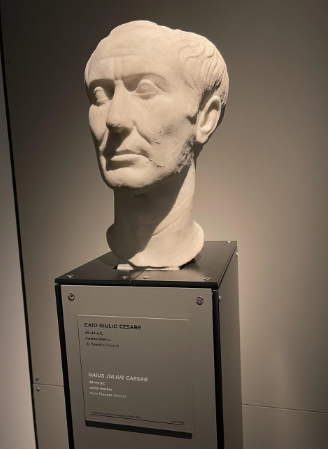
The busts of Julius Caesar remain an iconic representation of Roman art and culture. These portraits not only captured the physical likeness of one of history’s most famous figures but also reflected the values and artistic practices of Ancient Rome.

1. The Art of Roman Portraits

Roman portraiture, particularly during the Republican and Imperial periods, was marked by its emphasis on realism and individualism. Unlike the idealized forms of Greek sculpture, Roman artists aimed to capture the unique features and personality traits of their subjects. This resulted in a more approachable and relatable representation, which can be observed in the numerous busts of Julius Caesar that have survived through time.

Specific characteristics of Roman busts include detailed facial features, including wrinkles, sagging skin, and furrowed brows. These elements conveyed wisdom, experience, and gravitas, which were highly valued in Roman society. As Caesar’s portraits proliferated, they served a dual purpose: to honor his legacy and to solidify his authority as a leader.

    • Explore different styles of Roman portraiture.
    • Analyze the differences between Greek and Roman artistic philosophies.
    • Look for the emotional expression in these sculptures.
    • Consider how socio-political contexts influenced their creation.

2. The Cultural Significance of Caesar’s Busts

The busts of Julius Caesar were not just decorations; they were powerful political tools. After his assassination in 44 BC, the spread of his likeness served to establish a cult of personality that elevated his status posthumously. Emperors and politicians who followed sought to emulate Caesar by commissioning similar works that tied them to his legacy, creating a tradition of portraiture that continued long after his death.

Furthermore, the busts were symbols of civic pride and unity within Rome. They often adorned public spaces, allowing citizens to resonate with Caesar’s strength and ideals. By commissioning or publicly displaying these works, individuals and families communicated their loyalty to the state and its values, emphasizing the importance of leadership and morality in public life.

    • Understand the role of busts in Roman political life.
    • Examine the impact of Caesar’s assassination on his iconography.
    • Consider how sculpture influenced public perception of leadership.
    • Research other leaders who used similar styles for political gain.

3. Preserving Caesar’s Image through Time

Over the centuries, Julius Caesar’s busts have not only been a focus of art appreciation but also of preservation efforts. Museums and institutions dedicated to classical art work tirelessly to restore these sculptures, ensuring they remain valuable historical assets that educate future generations. Through careful restoration methods, the original materials and aesthetics of these sculptures can often be revived to reveal their former glory.

Additionally, modern technology, such as 3D scanning and digital modeling, has opened new avenues for preserving and studying these masterpieces. This allows art historians and enthusiasts to explore Caesaric representations without compromising the originals’ integrity. Efforts to share these busts digitally make them accessible to a wider audience, igniting interest in Roman history and art.

    • Consider visiting a museum with Roman collections.
    • Look into virtual tours of exhibitions featuring Caesar’s busts.
    • Follow academic publications regarding preservation techniques.
    • Engage with online forums focused on classical art history.

In conclusion, Julius Caesar’s busts serve as a fascinating intersection of art, politics, and cultural history in Ancient Rome. Whether through their artistic merit or their role in shaping political narratives, they continue to captivate and educate us today. Engage with these historical treasures and explore how they have influenced modern perceptions of leadership and artistry.


Share this to
syrcast