Hans Arp, a prolific artist and a key figure in the Dada movement, made significant contributions to abstract modernism. His innovative approach to art not only challenged the conventions of his time but also laid the groundwork for future developments in abstraction. This article explores Arp’s unique techniques and philosophies, highlighting why his work remains relevant and inspiring today.
1. The Evolution of Arp’s Artistic Style
Hans Arp’s artistic journey began with a deep fascination for forms found in nature, which he later transformed into abstract representations. His early work, characterized by organic shapes, soon gave way to a more stylized approach that embraced spontaneity and chance. Arp believed in the idea of “living forms,” where art should reflect life’s natural process of growth and change. This philosophy not only set the tone for his own creations but also influenced many modern artists who followed, underscoring the importance of fluidity and instinct in the artistic process.
2. Dada and the Rejection of Convention
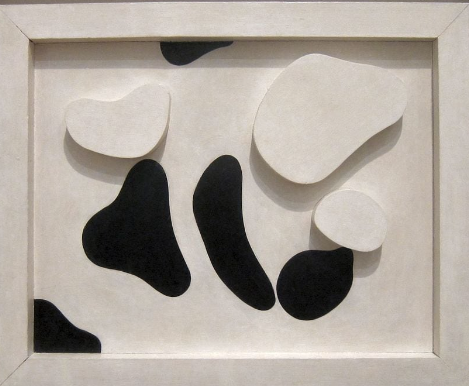
Arp was a leading voice in the Dada movement, which emerged as a response to the chaos of World War I. Dadaists aimed to disrupt traditional artistry by embracing absurdity and chance. Arp’s collages and sculptures often featured playful elements and unexpected materials, reflecting a sense of spontaneity that defied conventional artistic norms. His work demonstrated that art could arise from randomness and playfulness, challenging viewers to reconsider their definitions of beauty and aesthetics. This radical approach paved the way for later movements such as Surrealism and Abstract Expressionism.
3. The Legacy of Arp’s Abstraction
Arp’s influence on modern abstraction is profound and far-reaching. His emphasis on free-form shapes and unconventional materials inspired a plethora of contemporary artists. The use of biomorphic forms in his work encouraged others to explore the boundaries between sculpture and painting, leading to a richer, more diverse understanding of what abstract art could be. Furthermore, his collaborative spirit and involvement in various artistic groups broadened the scope of modern art, proving that creativity flourishes in community. As we explore Arp’s legacy, it becomes clear that his contributions are essential in understanding the evolution of abstract modernism.
In conclusion, Hans Arp’s work has left an indelible mark on the world of art. His innovative use of forms, challenge to artistic norms, and encouragement of creativity in community continue to resonate today. If you’re intrigued by Arp’s contributions, consider visiting a local gallery or museum that showcases modern art, or dive into more literature on Dada and abstraction. Exploring these topics can deepen your appreciation for modernism and its revolutionary spirit.