Mary Cassatt stands out not just for her artistry but also as a groundbreaking female figure in the predominantly male world of Impressionism. Her unique perspective on women’s roles and familial relationships makes her work timeless and relatable. This post delves into her contributions and lasting influence on the art world.
1. The Early Life of Mary Cassatt
Born on May 22, 1844, in Allegheny City, Pennsylvania, Mary Cassatt grew up in a family that encouraged artistic expression. Despite societal norms that often discouraged women from pursuing a career in the arts, she was determined to make her mark. After studying at the Pennsylvania Academy of the Fine Arts, Mary moved to France where she became deeply involved with the Impressionist movement, changing how women were portrayed in artwork.
Her experiences in France allowed her to not only hone her skills as a painter but also engage with the likes of Edgar Degas and Claude Monet. These connections were pivotal in her development as an artist. Cassatt often depicted the lives of modern women and their roles within familial relationships, thus countering the traditional, often objectified portrayals of women prevalent in art at the time.
-
- Embrace your artistic passions, regardless of societal expectations.
-
- Research the art movements that may inspire you.
-
- Network with artists to learn and share ideas.
-
- Pursue formal education, if possible, to develop your skills.
-
- Explore different mediums to find your unique voice.
2. Contributions to the Impressionist Movement
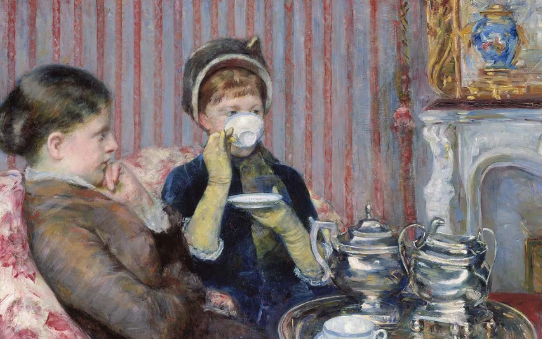
Mary Cassatt made significant contributions to the Impressionist movement by focusing predominantly on the private lives of women. Unlike her male counterparts who often painted landscapes or figures in public spaces, Cassatt concentrated on intimate moments, capturing the bond between mothers and children. This fresh perspective resonated with audiences and challenged conventional art themes of the time.
Her use of color and loose brush strokes also mirrored the techniques of Impressionism, yet she infused her work with intimate narratives. Notably, paintings like “The Child’s Bath” and “Mother and Child” portrayed tender moments that were relatable and emotional. Through these works, Cassatt not only excelled as a painter but also advocated for women’s rights and maternal identity.
-
- Study the works of other Impressionists for inspiration.
-
- Focus on personal themes in your art rather than broad ones.
-
- Experiment with color and brush techniques to define your style.
-
- Seek out critiques and discussions to improve your work.
-
- Be open to exploring different subjects that reflect your life and experiences.
3. Lasting Impact and Recognition
Today, Mary Cassatt is celebrated for her pioneering role in the art world. Her work challenges viewers to consider women’s experiences and emotions in a way that was revolutionary for her time. Institutions like the National Gallery of Art and The Metropolitan Museum of Art host extensive collections of her work, showcasing her importance in American art.
Additionally, Cassatt’s commitment to women’s issues has left a lasting legacy. She served as a role model for future female artists, showing them that they, too, could dominate in areas traditionally reserved for men. Her life’s work encourages contemporary artists to pursue themes of femininity and maternal bonds, continuing her tradition of the personal as political in art.
-
- Visit museums that feature Cassatt’s work to gain deeper insights.
-
- Engage with literature on women in the arts to explore their struggles and triumphs.
-
- Attend art workshops to develop your craft.
-
- Mentor young artists, especially girls, who aspire to be in the arts.
-
- Support exhibitions that focus on female artists to continue their visibility.
Mary Cassatt’s legacy as a pioneering female Impressionist is not just a footnote in art history, but a continuous source of inspiration. Her work invites us to celebrate the bonds between women and acknowledge their significance in art and society. By exploring your own artistic journey, perhaps you too can contribute to this enduring narrative.