Camille Pissarro, a pivotal figure in the Impressionist movement, is celebrated for his profound connection to rural landscapes and vibrant village scenes. His art not only captured the beauty of the countryside but also provided a narrative of life among rural communities. Exploring his village scenes offers a glimpse into the daily lives of people during the late 19th century, showcasing both simplicity and complexity.
1. The Essence of Pissarro’s Village Scenes
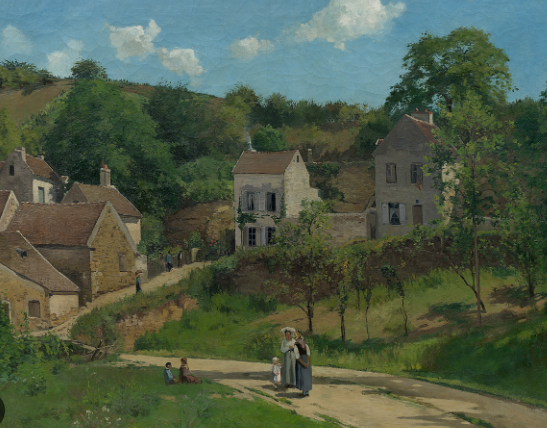
Pissarro’s village scenes are characterized by their vibrant colors and dynamic brushstrokes, which evoke a sense of movement and life. Works such as “The Boulevard Montmartre, Spring” and “The Harvest” exhibit a masterful use of light and shadow, giving viewers a sense of being present in the scene. This immersion draws attention to the intricate details of daily life, from bustling farmers at work to serene landscapes, highlighting the harmony of nature and humanity.
By employing distinct techniques, Pissarro formed a deeper connection with the essence of rural life. He often painted en plein air, capturing the ephemeral qualities of light and color at specific times of day. This approach allowed him to document seasonal changes in his landscapes, showcasing the beauty of each season—be it the golden hues of autumn or the fresh greens of spring.
-
- Observe the use of light and shadow in his paintings.
-
- Identify seasonal elements in Pissarro’s work.
-
- Consider the emotional impact of vibrant colors.
-
- Explore the interactions between people and nature.
2. The Influence of Rural Life on Impressionism
Pissarro’s focus on rural life played a significant role in shaping Impressionism, differentiating it from earlier artistic movements. Unlike traditional academic painting, which often depicted historical or mythological themes, Pissarro embraced the everyday lives of common people. His paintings reflect the social changes occurring during the Industrial Revolution as urbanization began to transform societal structures.
This embrace of rural themes allowed Impressionists to challenge artistic conventions. Pissarro’s techniques highlighted the simplicity of rural life while also addressing deeper social issues. His work often included scenes of laborers, emphasizing their dignity and worth, which was a progressive stance during his time. Through this lens, rural Impressionism became a powerful vehicle for social commentary.
-
- Study the historical context of Pissarro’s paintings.
-
- Understand the social issues depicted in rural scenes.
-
- Examine how urbanization is portrayed in his art.
-
- Compare Pissarro’s rural focus with other Impressionists.
3. Techniques That Define Pissarro’s Style
Pissarro employed a variety of techniques that characterized his unique style within the Impressionist movement. One of his most notable methods was his application of small, distinct brushstrokes of color, which merged when observed from a distance. This technique not only captured the vibrancy of rural landscapes but also created a sense of atmosphere and depth, as seen in his work, “The Farm at Montmorency.”
Additionally, Pissarro’s palette often included a mix of vibrant and subdued colors to convey the mood of the scene. His ability to capture the subtle changes in light throughout the day made his village scenes particularly captivating. This meticulous attention to detail invited viewers to slow down and appreciate the beauty of ordinary moments—a hallmark of Impressionism.
-
- Experiment with different brushstroke techniques.
-
- Mix colors to achieve atmospheric effects.
-
- Practice painting en plein air for real-time inspiration.
-
- Focus on capturing light and shadow in your works.
4. Legacy and Impact of Pissarro’s Work
Camille Pissarro’s legacy endures as a foundational figure in Impressionism, influencing generations of artists. His dedication to depicting rural life not only expanded the scope of subject matter in art but also paved the way for successors like Vincent van Gogh and Paul Cézanne. The idyllic yet challenging portrayals of rural scenes serve as a reminder of art’s ability to reflect and evolve with society.
The impact of Pissarro’s work can be seen not only in art circles but also in the way we perceive rural narratives today. He utilized his canvases as tools for advocacy, elevating the recognition of the rural working class. This socio-political engagement in his art makes his village scenes timeless, resonating with contemporary themes of sustainability and community.
-
- Research other artists influenced by Pissarro.
-
- Explore the socio-political themes in his work.
-
- Reflect on the relevance of rural issues in today’s art.
-
- Support local artists focusing on similar themes.
In summary, Camille Pissarro’s village scenes encapsulate the spirit of rural Impressionism, blending beauty, authenticity, and social commentary. By immersing yourselves in his art, you can gain a deeper appreciation for both the craftsmanship involved and the historical narratives being told. Whether you are an artist, art enthusiast, or simply curious, Pissarro’s work invites you to engage with the landscapes of our lives today.