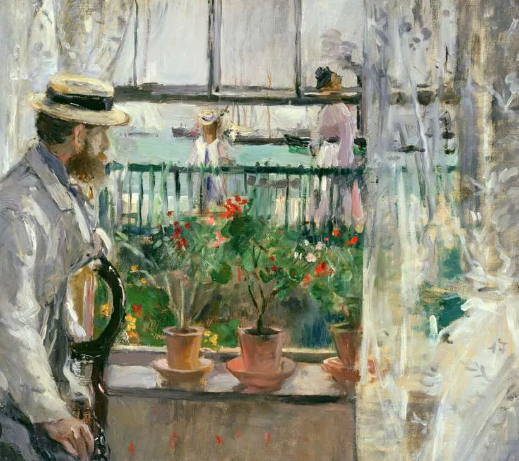
Berthe Morisot, a prominent figure in the Impressionist movement, is renowned for her captivating depictions of summer scenes and outdoor life. Her delicate brushwork and keen understanding of light and color transformed ordinary moments into extraordinary canvases, inviting viewers into vibrant, sun-drenched worlds. This blog post will explore her technique, themes, and some practical tips for anyone looking to embrace outdoor painting and capture the joy of summer through their own artistry.
1. Berthe Morisot’s Artistic Technique
Morisot’s technique set her apart from her contemporaries. With a preference for lightweight brushes and a palette rich in pastel colors, she perfected the representation of fleeting moments. Her approach involved swift, loose brushstrokes, allowing her to capture the dynamism of light and atmosphere in a way that felt spontaneous yet deliberate. Moreover, her choice of subjects often revolved around the female experience, showcasing women in domestic settings or engaging with nature, which was a reflection of her own life and society’s expectations.
The nuances of her outdoor scenes are marked by her ability to play with light, shadows, and reflections. For instance, in works like “Summer’s Day,” Morisot illustrated how natural light interacts with the environment, merging figures with their surroundings. The immediacy in her work creates a sense of momentary bliss, inviting viewers to appreciate the beauty that lies in everyday life.
-
- Experiment with brush techniques; consider short strokes for dynamic scenes.
-
- Focus on color harmony; use a limited palette for cohesive compositions.
-
- Practice capturing light at different times of day to understand its effects.
-
- Study the work of other Impressionists to gain insight into variances in technique.
2. Themes in Morisot’s Summer Scenes
Morisot’s summer scenes often explore themes of leisure, femininity, and the joys of nature. In many of her paintings, she depicted women enjoying simple pleasures — picnicking, boating, or simply soaking in the beauty of their surroundings. This focus on women was revolutionary at a time when their societal roles were heavily constrained, allowing Morisot to both document and critique the gender norms of her era.
<pAdditionally, Morisot’s work frequently integrates elements of nature, with gardens and parks serving as backdrops. These natural settings not only enhance the visual allure of her paintings but also symbolize freedom and tranquility. The interplay between human figures and the landscape creates a dialogue about the relationship between nature and femininity, presenting a serene yet vibrant representation of life during the summer months.
-
- Consider your own experiences with leisure and explore them in your art.
-
- Look for natural elements that convey feelings of tranquility or joy in your surroundings.
-
- Explore themes of your choice in outdoor painting; what stories do you want to tell?
-
- Incorporate figures into your scenes to provide context and narrative depth.
3. Emulating Morisot: Tips for Outdoor Painting
Capturing the essence of summer the way Morisot did requires both practice and a keen eye for detail. Begin by selecting a location that resonates with you, whether it’s a crowded park, a serene beach, or a blooming garden. The key is to immerse yourself in the colors, light, and patterns around you, just as Morisot did when she painted en plein air (in the open air).
When you’re ready to start painting, remember that the goal is to convey an experience rather than to create a hyper-detailed reproduction. Allow yourself the freedom to be spontaneous and let your brushwork reflect the energy of the scene. Stay aware of how the light shifts, capturing those moments before they change, which is the true essence of outdoor painting.
-
- Bring a portable easel for convenience; set it up in a spot that inspires you.
-
- Keep your palette light and focused on colors that reflect your scene.
-
- Start with a rough sketch to establish your composition before diving into details.
-
- Let go of perfection; embrace the beauty of imperfection in your work.
Berthe Morisot’s legacy as a painter reveals not just her incredible skill but also her unique perspective on life and nature. By drawing inspiration from her techniques and themes, you can create your own summer scenes that express your individuality. So grab your paintbrush and venture outdoors; the world is full of stories waiting to be captured on canvas.