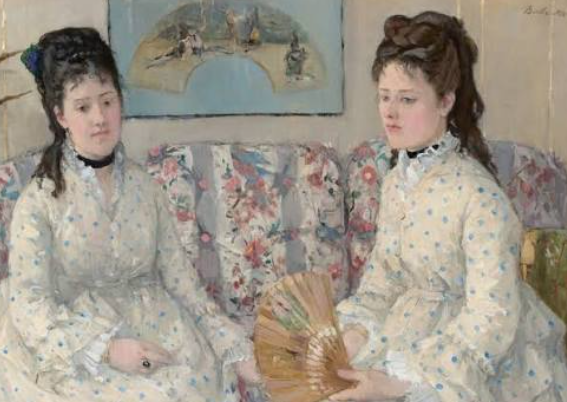
Berthe Morisot, one of the most prominent figures in the Impressionist movement, vividly explored the theme of motherhood in her artwork. Her paintings not only capture the essence of maternal love but also reflect the evolving identity of modern femininity in the late 19th century.
Through her delicate brushwork and intimate scenes, Morisot’s work offers a unique perspective on women’s roles during a transformative era. Let’s delve deeper into her motherhood paintings to understand how they resonate with modern notions of femininity.
1. The Personal Touch in Morisot’s Motherhood Paintings
Morisot’s motherhood paintings often feature intimate moments between mothers and their children, portraying tenderness and nurturing. Works such as “The Cradle” and “Mother and Child” showcase these themes exquisitely. In “The Cradle,” a mother gazes protectively at her sleeping child, creating a moment filled with warmth and affection that invites viewers into their private world. By focusing on these domestic scenes, Morisot elevates the mundane aspects of motherhood to a celebrated art form.
This personal approach allows viewers to connect with the emotional depth of her subjects. Rather than idealizing motherhood, Morisot captures its complexities—joy intertwined with exhaustion, connection mixed with solitude. Such authenticity speaks to the challenges and rewards that mothers face today, making her work relevant in contemporary discussions around femininity and motherhood.
-
- Visit a local art museum to view Morisot’s paintings in person.
-
- Research the context of motherhood in the 19th century to gain deeper insights.
-
- Consider how Morisot’s depictions can relate to personal experiences with motherhood.
-
- Join online forums or groups focused on women artists to discuss these themes.
2. Modern Femininity and the Evolving Role of Mothers
Morisot’s portrayal of mothers reflects more than just individual experiences; it embodies a larger cultural shift regarding femininity in her time. The late 19th century saw an increasing acceptance of women’s roles beyond traditional confines. Her work challenges the perceptions of women as solely caretakers, presenting them as complex individuals with emotions, desires, and personal identities. This nuanced representation of femininity resonates with today’s ongoing conversations about women’s roles in society.
Today, mothers navigate a plethora of identities—working professionals, artists, activists, and more—often balancing family responsibilities with personal ambitions. Morisot’s art encourages us to honor the multifaceted nature of femininity. Her work can serve as a visual reminder that motherhood can coexist with individual aspirations and that nurturing can come in myriad forms.
-
- Reflect on how your own identity has evolved through motherhood.
-
- Engage with other mothers to share experiences and perspectives.
-
- Consider how you can express your personal identity alongside your parenting role.
-
- Explore literature or art that explores modern femininity for inspiration.
3. Legacy and Influence: Morisot’s Impact on Contemporary Art
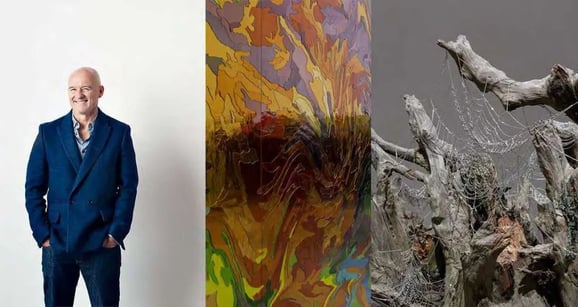
The influence of Berthe Morisot extends beyond her lifetime and still reverberates in the art world today. Many contemporary female artists draw inspiration from her ability to portray intimate, domestic scenes with a modern twist. Artists like Amy Sherald and Julie Mehretu engage with themes of motherhood and femininity while employing diverse styles and mediums, continuing the dialogue that Morisot initiated in her work.
Moreover, the resurgence of interest in women artists has led to increased recognition of Morisot’s contributions. By studying her oeuvre, current and future generations of artists find both motivation and solace in her perspectives. Emulating her emotional depth, women artists today continue to explore motherhood from varied angles, bridging the past and present.
-
- Follow contemporary artists who cite Morisot as an influence for inspiration.
-
- Participate in workshops or classes that focus on women in art.
-
- Promote and support galleries that feature female artists.
-
- Engage with literature that discusses the evolution of motherhood in art.
Berthe Morisot’s work is a profound exploration of motherhood and femininity, bridging the gap between the past and the present. By examining her paintings, we can find connections to our own experiences and navigate the complexities of being a modern woman. Consider further engaging with art in your daily life, as it can provide insight and inspiration for your journey.