Berthe Morisot is a renowned figure in the Impressionist movement, celebrated for her delicate brushwork and evocative portraits. Her ability to capture intimacy and emotion through paint has left a lasting impact on the art world. In this blog post, we will explore her portrait techniques, the subjects she painted, and the unique qualities of her brushwork.
1. The Art of Portraiture in Morisot’s Work
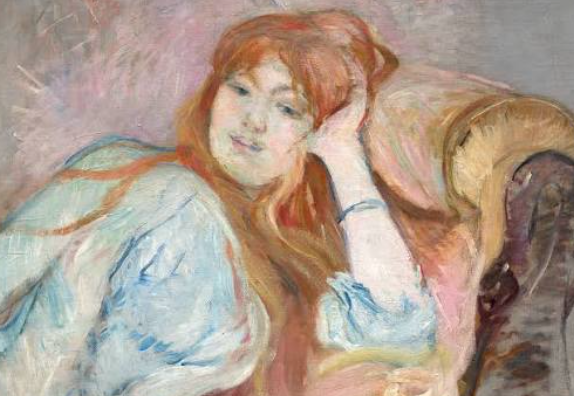
Berthe Morisot’s portraits are remarkable for their depth and emotional resonance. Unlike many of her contemporaries, she often painted women and children, focusing on domestic life and the subtleties of everyday existence. Works like “The Woman in the Flowered Hat” showcase her adeptness at portraying her subjects not just as figures, but as vivid representations of personality and spirit.
- Study Morisot’s portraits to understand her focus on emotion.
- Consider the narratives behind her subjects—what stories do they tell?
- Analyze her use of color and light to convey mood.
- Experiment with alla prima techniques in your own painting.
2. Delicate Brushwork: A Signature Style
Morisot’s brushwork is often described as delicate and nuanced, setting her apart in the Impressionist movement. She wielded her brush with a lightness that allowed for soft transitions between colors and tones. This technique is particularly evident in her depictions of fabric and skin, where the gentle blending adds a sense of realism and tenderness.
By using short, rapid strokes, she created textures that seem to breathe on the canvas. In works like “Summer’s Day,” the interplay of light and shadow achieved through her brushwork conveys a sense of movement and life. The viewer can almost feel the gentle breeze and the warmth of the sun. This ability to capture ephemeral moments is a hallmark of Morisot’s style.
- Practice short, quick strokes to replicate Morisot’s texture.
- Use a limited palette to explore color mixing and blending.
- Focus on light effects when painting outdoor scenes.
- Experiment with different brush types to find your preferred style.
3. The Role of Women in Morisot’s Portraits
Morisot’s focus on female subjects is significant in the context of her time. She often painted women engaged in everyday activities, contrasting sharply with the male-dominated narratives of her male contemporaries. This emphasis on women’s lives offers insight into their roles in society and the private sphere.
Her portraits often convey a sense of intimacy and vulnerability, inviting viewers to witness fleeting moments of joy, reflection, or introspection. For example, in “The Cradle,” she captures a mother and child in a moment of tenderness, emphasizing both the strength and sensitivity inherent in motherhood. This portrayal not only gives visibility to women’s emotions but also elevates their experiences as worthy of artistic exploration.
- Reflect on historical context when studying her portraits.
- Engage with themes of femininity and domesticity in art.
- Consider writing about the experiences of women in your own art or photography.
- Discuss Morisot’s work with others to uncover varying interpretations.
4. Lessons from Morisot: How to Apply Her Techniques
While Berthe Morisot’s portraits are distinctive, her techniques can inspire aspiring artists today. One of the main takeaways from her work is the importance of emotional connection in portraiture. When painting, think about what story you wish to tell and how the subject’s personality can be effectively conveyed on the canvas.
Incorporating her delicate brushwork can also enhance your own artistic expression. Begin by practicing on smaller canvases where you can focus on movement and spontaneity without feeling overwhelmed by the scale of your work. Experimenting with different lighting conditions can enable you to explore the subtleties of color and contrast found in Morisot’s paintings.
- Start with small studies before tackling larger pieces.
- Emphasize emotional connection with your subjects during your work.
- Incorporate various light sources to enhance your portraits.
- Set aside time for regular practice sessions focused on brushwork.
Berthe Morisot’s artistic legacy is a testament to her mastery of portraiture and delicate brushwork. Whether you are an aspiring artist or simply an admirer of her work, there are valuable lessons to be learned from her approach to capturing both intimacy and emotion. Take a moment to explore her techniques and consider how they might be applied to your own creative practices. Happy painting!