Édouard Manet is often celebrated as one of the most influential figures in the history of art, particularly for his pivotal role in the development of Impressionism. His innovative approach and daring subject matter opened the door for later artists to explore new styles and techniques. This blog post aims to shed light on Manet’s contributions and how they laid the groundwork for the movement that transformed the art world.
1. Manet’s Revolution in Subject Matter
Édouard Manet was known for his bold choice of subjects that often challenged the conventions of the art community in the 19th century. For instance, his painting “Lunch on the Grass” (1863) features a nude woman picnicking with two fully dressed men, which was scandalous at the time. This break from the traditional representation of nudity in art signified a shift towards modernity, reflecting contemporary life and social dynamics.
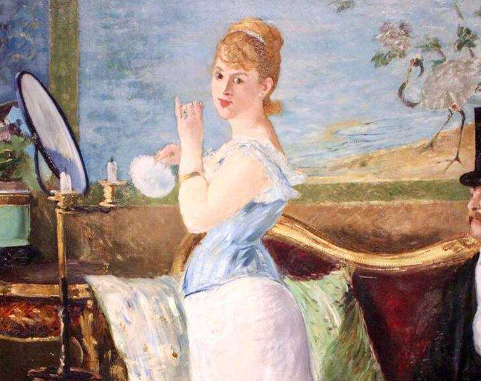
Moreover, Manet’s works like “Olympia” (1863) portrayed women in assertive and confrontational roles, catalyzing discussions around gender and societal expectations. His departure from the idealized figures of academic art created a space for more authentic portrayals of human experiences. This focus on real-life subjects rather than mythological or historical themes marked the beginning of a new era in the art world.
-
- Explore unique subjects in your artwork.
-
- Challenge societal norms through your choice of themes.
-
- Experiment with the portrayal of everyday life.
-
- Consider how your subjects can provoke thought and discussion.
2. Technique and the Development of Impressionism
While Manet is often viewed as a precursor to Impressionism, his unique painting techniques played an essential role in shaping the movement. He adopted a looser brushstroke style, emphasizing the effects of light and color over precise detail. For example, in “The Fife Player” (1866), Manet’s quick, deliberate strokes convey movement and vibrancy, encapsulating the essence of the moment rather than its minutiae.
Additionally, his use of color was revolutionary. Manet often employed unmixed colors straight from the tube, which added a luminosity to his work that was previously unseen. This approach inspired future Impressionists like Claude Monet and Pierre-Auguste Renoir to further explore color and light in their paintings, pushing the boundaries of the artistic techniques of their time.
-
- Experiment with brush strokes for a lively effect.
-
- Use bright colors directly from the tube to enhance luminosity.
-
- Focus on capturing light rather than minute details.
-
- Practice painting en plein air (outdoors) to improve your understanding of color dynamics.
3. Breaking Away from Tradition
Manet’s defiance of artistic convention extended to the very institutions that governed art at the time. He famously exhibited his work at the Salon des Refusés in 1863, which was created to showcase works rejected by the official Salon. This bold act not only gave voice to the avant-garde artists but also challenged the elitism of the art world, making art more accessible to the public.
Furthermore, his connection with fellow artists who later developed Impressionism helped shape the principles that guided the movement. Manet encouraged artists to express their individual perceptions, promoting the idea that art should reflect one’s own vision of reality rather than strictly adhering to ingrained artistic standards. This advocacy for personal expression remains a cornerstone of artistic freedom today.
-
- Seek opportunities to showcase your work outside traditional venues.
-
- Foster relationships with other artists to encourage creative growth.
-
- Support art movements that challenge existing norms.
-
- Believe in the power of personal expression in your artwork.
4. Legacy and Influence
Édouard Manet’s legacy extends beyond his own artwork; he profoundly impacted future generations of artists who were inspired by his vision and approach. Many of the Impressionists credited Manet with paving the way for their exploration of color, light, and everyday subjects. His work acts as a bridge between the realism of the past and the expressive styles that characterized modern art.
Many contemporary artists view Manet’s works as a source of inspiration in various forms and mediums. His techniques have influenced not just painters but also photographers, filmmakers, and digital artists who seek to capture fleeting moments and real-life scenarios. Understanding Manet’s contribution allows us to appreciate the evolution of art and its resonance in today’s cultural landscape.
-
- Research modern artists who cite Manet as an influence.
-
- Reflect on how historical contexts shape artistic movements.
-
- Explore different mediums to express themes similar to those in Manet’s works.
-
- Engage in discussions about art history and its relevance today.
In conclusion, Édouard Manet was not only a painter but also a revolutionary force in the art world. His courage to challenge norms and embrace modernity laid the foundation for Impressionism and subsequent artistic movements. Whether you’re an artist, student, or art enthusiast, there are countless ways to celebrate and learn from Manet’s legacy in today’s creative endeavors.