The Artistic Origins and Development of the Holy Family Theme
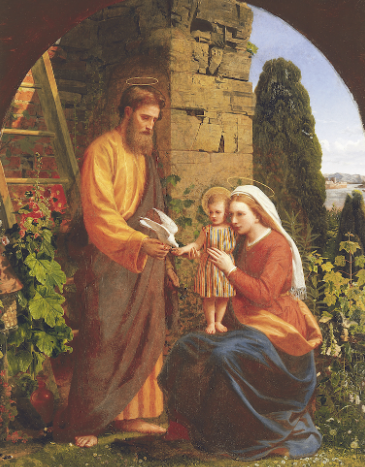
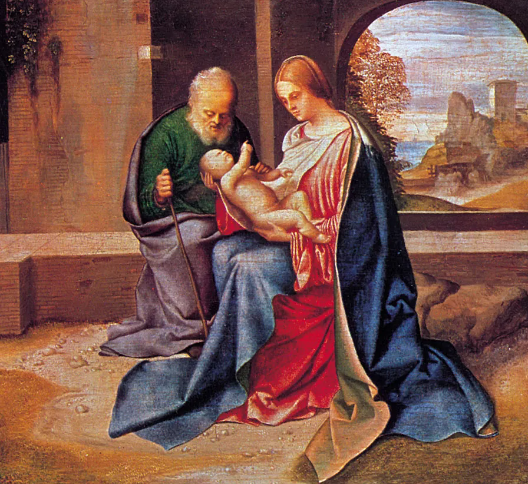
The Holy Family, a highly symbolic theme in Christianity, has been a significant subject in Western art since the Middle Ages. From early religious frescoes to the works of Renaissance masters, this theme has been continuously imbued with new forms of expression and emotional depth. Artists such as Raphael and Michelangelo, through delicate compositions and relationships between figures, transformed the images of the Virgin Mary, Saint Joseph, and the infant Jesus into family scenes brimming with human radiance.
In these works, the Holy Family not only symbolizes the core of faith but also becomes a metaphor for the ideal family. Through gentle gestures and intimate interactions, artists emphasize love and protection, evoking emotional resonance in the viewer through aesthetic experience.
Expression in Different Media
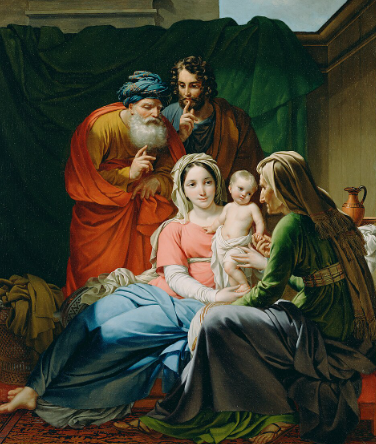
With the evolution of art forms, the Holy Family theme has gradually expanded from two-dimensional painting to sculpture, printmaking, and even modern installation art. Among these, holy family sculpture, with its three-dimensionality and spatial sense, provides viewers with a more direct and immersive experience. Sculptural works often emphasize body posture and structural relationships, showcasing different emotional temperatures through variations in materials (such as marble, wood, or bronze). For example, in St. Peter’s Basilica, one can see numerous sculptures and decorative arts themed around the Sacred Family. These blend seamlessly with the grand architectural space, elevating the religious narrative beyond the visual level to a holistic spatial experience. Furthermore, modern artists have reinterpreted the Sacred Family in abstract or minimalist ways, breathing new life into this traditional theme within a contemporary context.
Emotional Expression and Symbolic Meaning
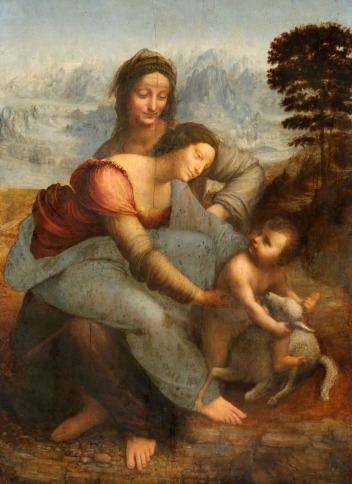
The enduring appeal of Sacred Family artworks lies in their profound emotional expression. Whether it’s the eye contact between mother and child in paintings or the encircling body postures in sculptures, they all convey a serene and unwavering love. This love extends beyond the familial realm, symbolizing the relationship between humanity and God.
In artistic language, light, composition, and color are frequently used to reinforce this theme. For instance, soft light symbolizes divine presence, while triangular compositions signify stability and harmony. The image of St. Joseph, evolving from a peripheral figure to a vital protector, also reflects the evolution of art’s understanding of the family role.
Through these details, viewers are not merely appreciating art, but participating in a visual dialogue about love, responsibility, and faith.
Reinterpretation in a Contemporary Context
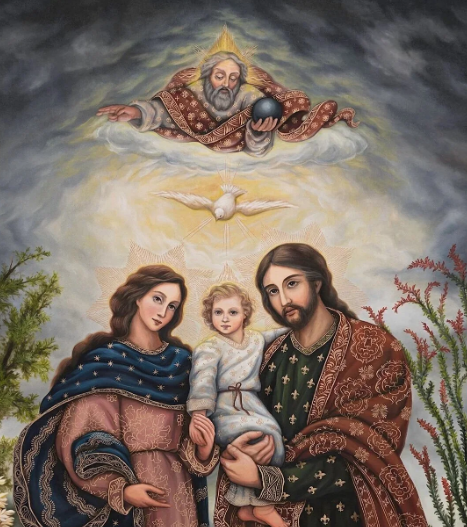
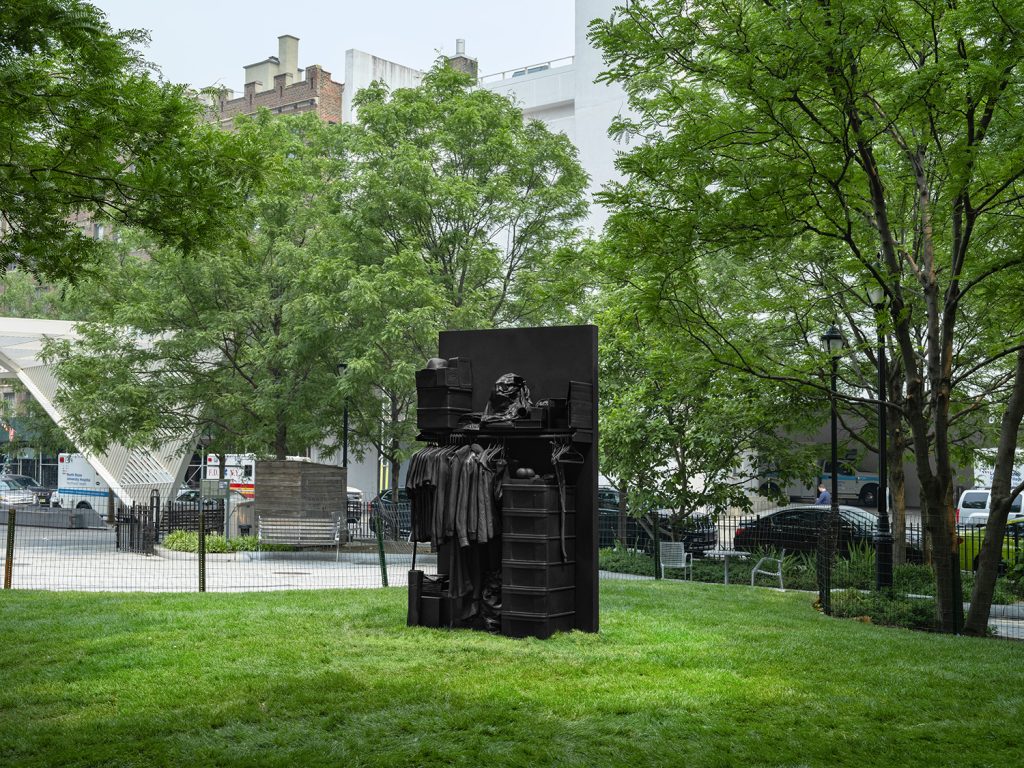
In contemporary times, the Holy Family theme has not disappeared; instead, it has gained new interpretations within the context of globalization and multiculturalism. Some artists place the Holy Family figures in modern urban environments or endow them with characteristics of different ethnic groups, making them more relatable to contemporary audiences. This reinterpretation does not diminish its religious significance but rather expands its universal value.
In art exhibitions and public spaces, the Holy Family theme is often used to explore family relationships, social responsibility, and shared human emotions. Regardless of the form, its core always revolves around “love and companionship.”
Therefore, Holy Family Artwork is not only an important component of religious art but also a visual language that transcends time. It reminds us that in an ever-changing world, the fundamental values of family and love remain irreplaceable.