
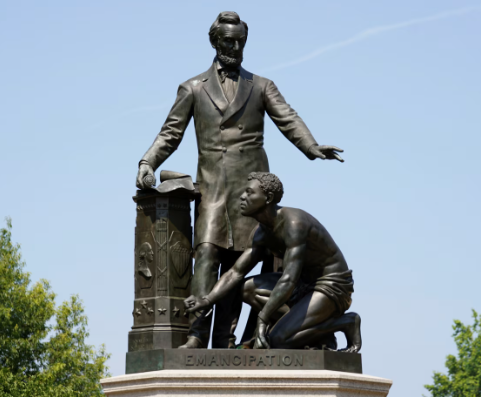
Abraham Lincoln remains one of America’s most revered presidents, and statues dedicated to him serve as more than mere decorations; they embody moral authority and reflect the cultural values of their time. This post will explore Lincoln statues, examining their role as symbols of integrity, justice, and empathy in American society.
1. The Symbolic Role of Lincoln Statues
Statues of Abraham Lincoln are often crafted with a focus on the values he represented. For instance, the Lincoln Memorial in Washington, D.C., is designed to highlight his strength and vision as a leader during tumultuous times. The statue sits in a position of grandeur, symbolizing both authority and humility, which illustrates the moral imperatives Lincoln championed, such as equality and freedom. These elements come together to create a holistic image of Lincoln as a guiding figure in American history.
In another example, the statue located in Springfield, Illinois, where Lincoln began his political career, emphasizes his connection to the local community and his commitment to justice. This statue’s design invites viewers not only to observe but to reflect on Lincoln’s moral choices and their implications. By presenting Lincoln in various contexts, statues help to reaffirm the foundational ideals of liberty and justice that he stood for.
-
- Visit local Lincoln statues to engage with their locations and historical significance.
-
- Consider how these symbols reflect modern values and social issues.
-
- Participate in community events honoring Lincoln’s legacy.
-
- Research lesser-known Lincoln statues to explore different interpretations of his impact.
2. Artistic Interpretations of Moral Authority
The artistry behind Lincoln statues plays a crucial role in conveying his moral authority. Sculptors often use different materials and styles to highlight various aspects of his persona, from resolute determination to compassionate leadership. For example, the use of bronze in many statues conveys durability, reflecting the strength of Lincoln’s legacy and his pivotal role in preserving the Union during the Civil War.
Furthermore, the expressions and postures of Lincoln in these works often evoke specific emotions. The thoughtful, pensive gaze seen in many representations signifies his capacity for empathy and moral reflection. As viewers, we are drawn into a shared contemplation of the ethical dilemmas he faced and the values he upheld, which continues to resonate in today’s society.
-
- Explore how different materials change the perception of the statues.
-
- Analyze facial expressions and stances to understand artistic choices.
-
- Attend exhibitions showcasing Lincoln-themed artworks for deeper insights.
-
- Create personal artwork inspired by Lincoln’s values or principles.
3. Statues as Platforms for Dialogue
Lincoln statues often serve as platforms for public discussions concerning moral authority and societal change. Protests and rallies are frequently held at these statues, where citizens gather to voice their concerns about contemporary issues such as racial equality and social justice. The settings become focal points, transforming them from static monuments into active forums for change and engagement.
This engagement reinforces Lincoln’s values in a modern context, prompting discussions about how his principles can guide us in addressing current challenges. Statues thus become dynamic landmarks where people unite to reflect on our nation’s moral framework and the steps needed to progress towards a more equitable society.
-
- Engage in discussions at local statues during community events.
-
- Facilitate or join workshops exploring moral issues influenced by Lincoln’s legacy.
-
- Share stories or experiences related to social justice in your community.
-
- Encourage educational programs centered around ethical leadership and inclusivity.
Abraham Lincoln statues stand as enduring symbols of moral authority and national identity. They encourage us to engage with our values and how they translate into modern society. By reflecting on their significance, we not only honor Lincoln’s legacy but also motivate ourselves to uphold the principles he fought for. Whether through dialogue, art, or public participation, there are many ways to continue this important conversation.