
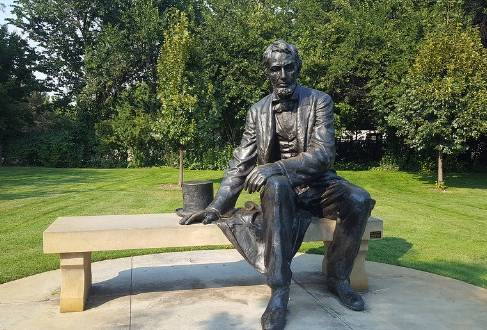
Abraham Lincoln, the 16th President of the United States, is often depicted in a seated position in various sculptures and monuments. This choice is intentional and symbolic, reflecting his character, leadership style, and the significance of his contributions to American history.
1. Symbolism of the Seated Position
The seated position of Abraham Lincoln in sculptures is rich with meaning. By depicting him sitting rather than standing, artists convey a sense of contemplation, thoughtfulness, and accessibility. Lincoln was known for his reflective nature and his approach to governance, which often involved deep consideration of complex issues. When people view a seated Lincoln, it creates a connection that feels more personal and relatable.
Moreover, the seated position evokes a feeling of authority, reminding viewers of his role as a leader who guided the nation through its most tumultuous times. Lincoln is often portrayed with an unwavering gaze, which reinforces his resolve and determination to address the critical issues of his era, such as slavery and unity during the Civil War.
-
- Consider how posture influences perception; seated figures can appear more approachable.
-
- Reflect on Lincoln’s leadership style—thoughtful and deliberative.
-
- Think about how this position invites dialogue and connection.
-
- Explore other figures in history who are often depicted seated.
2. Artistic Techniques and Composition
In artistic terms, a seated Lincoln offers sculptors an opportunity to explore rich details and textures. When artists create a seated figure, they can employ varying materials and techniques to demonstrate the weight and gravity of Lincoln’s character. For example, the Lincoln Memorial in Washington, D.C., presents him in a monumental way, inviting admiration while encouraging reflection on the nation’s history.
Additionally, a seated sculpture allows for a more intricate exploration of garments and facial expressions. Lincoln’s iconic beard and formal attire, when crafted in a seated position, can be depicted in a way that enhances the narrative. The seating arrangement creates a backdrop where sculptors can play with light and shadow, evoking emotions associated with Lincoln’s legacy.
-
- Study different materials used in Lincoln sculptures, such as marble and bronze.
-
- Observe how light interacts with different textures in sculpture.
-
- Compare Lincoln’s seated sculptures with standing poses of other historic figures.
-
- Consider the role of facial expression in conveying emotion in sculptural art.
3. Historical Context and Legacy
The choice to sculpt Lincoln in a seated position draws from the historical context surrounding his presidency and the societal challenges of his time. Lincoln faced monumental issues, including the Civil War and the abolition of slavery, which required a steadfast and thoughtful leader. His seated portrayal reminds us of the weight of these decisions and the contemplative nature they required.
Through his seated sculptures, viewers are encouraged to reflect on Lincoln’s contributions and the ongoing impact of his leadership on modern society. It serves as a reminder that the struggles faced during his presidency resonate even today, influencing discussions around freedom, equality, and democracy.
-
- Explore the historical significance of the Civil War and its impacts.
-
- Assess Lincoln’s role as a mediator during national unrest.
-
- Reflect on contemporary issues that may parallel Lincoln’s time.
-
- Visit historical sites or read books that provide context to Lincoln’s legacy.
In conclusion, the seated position of Abraham Lincoln in sculpture is more than a stylistic choice; it encapsulates the essence of his leadership, invites personal connection, and highlights the historical significance of his time in office. Engaging with this artwork can inspire deeper contemplation on the values it represents. Consider visiting a local monument or library to learn more about Lincoln’s contributions and their relevance today.