
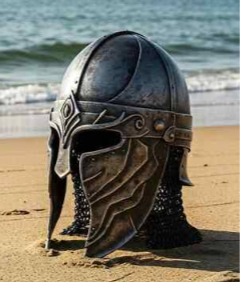
Wearing a helmet is crucial for safety in many activities, including cycling, motorcycling, and various sports. This essential piece of protective gear can significantly reduce the risk of head injuries, providing peace of mind for users and their families.
1. The Science Behind Helmet Design
Helmets are engineered to absorb impact forces, protecting the skull and brain from traumatic injuries. They are typically made from materials such as expanded polystyrene (EPS) foam and polycarbonate shell, designed to dissipate the energy generated during a crash. Understanding this design can help users appreciate the protective benefits offered by helmets in various sports and activities.
Different types of helmets serve specific purposes. For example, cycling helmets focus on lightweight materials for comfort and ventilation, while motocross helmets provide additional protection for high-speed impacts. Some helmets even incorporate advanced technology, like MIPS (Multi-directional Impact Protection System), to reduce rotation forces during certain types of collisions.
-
- Choose a helmet designed for your specific activity.
-
- Look for safety certifications (e.g., CPSC, Snell, ASTM).
-
- Ensure a proper fit to maximize protection.
-
- Consider helmets with additional technologies for enhanced safety.
2. Choosing the Right Helmet
Selecting the right helmet is crucial for ensuring optimal protection and comfort. Factors to consider include the type of activity you’ll be engaging in, the fit of the helmet, and personal comfort preferences. It’s essential to try on various models to find the one that feels just right, especially since a poor fit can reduce the helmet’s protective capabilities.
Additionally, helmets come in different sizes and adjustments. Many feature removable padding and adjustable straps, enhancing customization. Before making a purchase, educate yourself about the common features of different helmets, such as weight, ventilation slots, and removable liners, which can aid in maintaining hygiene.
-
- Try on several helmets to find the best fit.
-
- Check for adjustments and comfort features.
-
- Don’t hesitate to ask staff for guidance in-store.
-
- Consider your budget, but remember that a good helmet is an investment.
3. Maintenance and Care for Your Helmet
Proper maintenance of your helmet can extend its lifespan and ensure top-notch safety. Regularly inspecting your helmet for any signs of wear, damage, or fraying is crucial. If your helmet has suffered a significant impact, it may need to be replaced even if no visible damage is evident, as the protective features could be compromised.
Besides visual inspections, proper cleaning is vital for hygiene. Most helmet liners can be removed and washed, while exterior shells can usually be cleaned with mild soap and water. Avoid harsh chemicals that could degrade materials. Keeping your helmet in a cool, dry place away from direct sunlight can also help preserve its integrity.
-
- Inspect your helmet after every use for damage.
-
- Clean the helmet regularly following the manufacturer’s instructions.
-
- Store your helmet in a protective bag to avoid scratches.
-
- Replace your helmet every few years or after a significant impact.
4. The Benefits of Wearing a Helmet
The benefits of wearing a helmet are immense and well-documented. Research indicates that helmets can reduce the risk of serious head injuries by up to 85%. This significant reduction highlights the importance of making helmet use a non-negotiable part of riding or participating in high-risk sports.
Wearing a helmet not only protects the individual but also promotes a culture of safety among peers. When friends, family, and others consistently observe helmet use, it encourages wider acceptance and adherence to safety practices, increasing awareness about head injuries and prevention.
-
- Always wear a helmet even for short rides.
-
- Encourage others to wear helmets to promote safety.
-
- Share information about the risks of head injuries.
-
- Participate in helmet donation programs to help others.
5. Common Myths About Helmets
Despite the overwhelming evidence supporting helmet use, several myths continue to circulate. One common myth is that wearing a helmet can encourage reckless behavior. In fact, studies show that wearing a helmet promotes safer riding as it raises awareness about potential dangers.
Another misconception is that some believe helmets do not prevent injuries at lower speeds. However, studies reveal that most bicycle accidents occur at speeds below 12 mph, where helmets can offer substantial protection. Educating yourself and others is key to dispelling these myths and ensuring that safety measures are followed diligently.
-
- Challenge common myths by sharing factual information.
-
- Encourage discussions about safety practices.
-
- Use social media to spread awareness about helmet safety.
-
- Consider becoming a safety advocate within your community.
In conclusion, investing time in understanding the importance of helmets is essential for maintaining safety in various activities. Take the next step for your safety and the safety of others by adopting helmet use as a standard practice and promoting awareness in your community.