
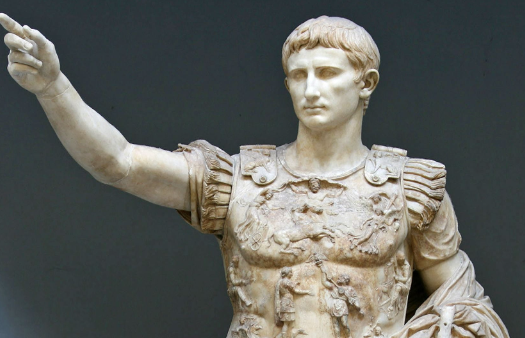
Roman leadership ideals were intricately expressed through various forms of art, with sculpture being one of the most potent mediums. A prime example of this can be seen in the sculptures dedicated to Julius Caesar, which not only depict his likeness but also embody the virtues and ideals held by Romans about leadership. Understanding these sculptures allows us to grasp the essence of Roman political culture and its lasting impact on modern governance.
1. The Physical Representation of Power
The sculptures of Julius Caesar often emphasize specific physical features that were deemed important for a leader. Artists accentuated Caesar’s strong nose, stern expression, and balding head to evoke authority and wisdom. Such stylization aimed to convey a sense of gravitas, ensuring that viewers understood the seriousness of his role. In Roman society, a leader was expected to exhibit fortitude and resilience, traits reflected in every fold of the sculpted marble.
An excellent example of this is the statue of Caesar found in the Pompey Theatre, which presents him in a commanding pose. This portrayal was strategically created to align with the ideals of Roman leadership, representing not just Caesar as an individual, but the principles of Roman governance, which valued strength and determination in its leaders.
-
- Look for key physical attributes that symbolize authority.
-
- Consider the historical context when analyzing the sculpture.
-
- Observe the posture and stance—these often show traits like confidence.
-
- Evaluate the material used—different stones carry different symbolism.
2. Symbolism in Art and Propaganda
Julius Caesar’s sculptures often functioned as political propaganda, intended to bolster his authority and consolidate power. The imagery used in his likeness was carefully chosen to invoke admiration and respect, often connecting Caesar to divine lineage or heroic figures from the past. Such associations allowed him to reinforce his status as a leader with almost god-like qualities. For instance, the curls in his hair were reminiscent of Greek deities, suggesting that he was not just Caesar but Caesar the Great.
Another significant aspect of his sculptures is their strategic placement throughout the Roman Empire. Statues were often erected in public spaces, ensuring that citizens encountered these powerful symbols in their daily lives, further entrenching the notion of Caesar’s leadership. This method of visual propaganda was incredibly influential in garnering public support and fostering loyalty among the populace.
-
- Analyze the placement of sculptures in historical contexts.
-
- Research the symbolic meanings behind certain features.
-
- Explore how different sculptures conveyed variations of Caesar’s image.
-
- Recognize the role of sculpture in influencing public opinion.
3. The Evolution of Leadership Ideals
The evolution of Julius Caesar’s sculpture reflects the changing ideals of leadership over time. Initially, his likeness emphasized traits such as warlike prowess and stoicism. However, as time progressed, the depiction of Caesar shifted toward embodying more benevolent features, focusing on his role as a civil strategist and benefactor of the people. This change showcases how leaders adapt their image to maintain public favor and respond to societal needs.
The transition is evident in sculptures crafted after his assassination, which often convey themes of martyrdom and betrayal, underscoring his sacrifices for the Roman people. These shifts not only mirrored changes in public sentiment but also set a precedent for future leaders, highlighting leadership’s dual nature as both a privilege and a burden.
-
- Examine how sculptures can change over time to reflect societal values.
-
- Look into how leaders are remembered differently based on subsequent historical context.
-
- Assess the ongoing relevance of these ideals in contemporary leadership.
-
- Identify how public perception of leaders can alter artistic representations.
In conclusion, the sculptures of Julius Caesar serve as a powerful representation of Roman leadership ideals, illustrating physical attributes, symbolism, and the evolution of what it means to lead. By reflecting on these images, we can better understand the complexities of power and authority that continue to resonate in today’s world. As you explore these themes further, consider consulting historical texts or visiting local museums for a more in-depth examination of similar artistic representations.