
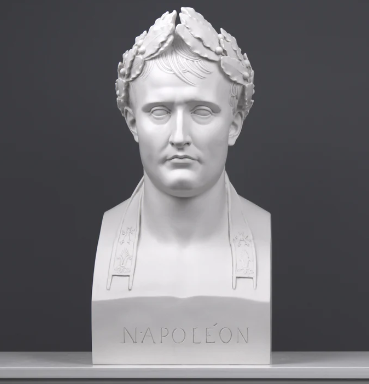
When it comes to creating statues of iconic figures like Julius Caesar, the choice of material plays a crucial role in both aesthetic appeal and longevity. From the timeless elegance of marble to the robust strength of bronze, each material offers distinct characteristics that can influence the overall impact of the statue. In this post, we’ll explore the different material options for crafting Caesar statues, dissecting their benefits, challenges, and historical significance.
1. The Allure of Marble
Marble has been a favored material for sculptors since ancient times due to its beauty and workability. Its smooth surface and fine grain allow for exquisite detail, making it ideal for capturing the dignified expression and intricate features of Caesar’s likeness. The classic connotations of marble also evoke sentiments of power and timelessness, which align perfectly with the iconic status of the Roman leader.
However, marble is not without its challenges. It is relatively brittle and can be prone to weathering and chips over time. The choice of marble also matters; varieties like Carrara or Calacatta are renowned for their quality but can be costly. This makes careful consideration essential when selecting a type of marble for a statue intended to stand the test of time.
-
- Choose high-quality marble to ensure longevity.
-
- Consider protective coatings to safeguard against weathering.
-
- Engage skilled artisans for intricate detailing.
-
- Explore different marble colors for unique aesthetics.
2. The Strength of Bronze
Bronze, an alloy primarily made of copper and tin, offers a striking contrast to marble in terms of durability and resilience. This material possesses remarkable tensile strength, allowing bronze statues to withstand harsh environmental conditions much better than their marble counterparts. The ability to cast bronze into intricate shapes is another advantage, enabling artists to achieve detailed designs that retain their sharpness over time.
The historical significance of bronze in sculpture cannot be understated. Many famous statues, including those from ancient Rome, were made from bronze and have survived for centuries. Additionally, the warm tones of bronze can evoke a sense of realism and vitality, making a Caesar statue not just a tribute but a true representation of the man himself.
-
- Assess the corrosion resistance of the bronze alloy.
-
- Consider patination for a unique finish.
-
- Plan for maintenance to keep the statue looking pristine.
-
- Explore casting methods to ensure precision.
3. Cost Implications and Practical Considerations
Choosing between marble and bronze for a Caesar statue inevitably comes down to budgetary constraints. Marble may appear cheaper initially, especially if lower-quality options are considered, but the cost can escalate with the need for maintenance and repair over time. In contrast, while bronze might involve higher upfront costs due to the complexity of casting, its durability often provides long-term savings in maintenance.
Beyond cost, it’s important to consider the installation locale. Marble statues are generally heavier than bronze, which can complicate logistics for transportation and setup. Additionally, if the statue is intended for an outdoor environment, bronze may be preferable due to its ability to endure various weather conditions without deteriorating. Engaging with professionals who can provide quotes and insights can aid in making a more informed decision.
-
- Evaluate long-term costs beyond initial pricing.
-
- Compare quotes from multiple artists or foundries.
-
- Consider logistics and installation if outdoors.
-
- Factor in maintenance costs in your budget.
4. Aesthetic Appeal and Cultural Relevance
The material choice for Caesar statues also carries significant cultural implications. Marble, often associated with classical architecture and the grandeur of ancient Rome, evokes a sense of history and reverence. For many, a marble statue denotes a commitment to traditional artistic values, connecting modern audiences with the past.
On the flip side, bronze has its own modern connotations. As it has been used in a variety of artistic expressions, it is often seen as emblematic of progressiveness and innovation. When contemplating a Caesar statue, one must weigh these cultural sentiments against their personal preferences and the intended message of the artwork.
-
- Research the historical context of both materials.
-
- Consider how the material reflects your intended message.
-
- Participate in discussions with artists for tailored insights.
-
- Think about audience perception when choosing the material.
As you explore the possibilities of bringing a Caesar statue to life, consider how both material and craft speak not only to the aesthetic quality but also to the deeper narratives you wish to convey. Whether you lean toward the classic beauty of marble or the enduring strength of bronze, each choice tells a unique story. Consulting with professionals and artists in the field can provide valuable insight and guidance as you finalize your decision.