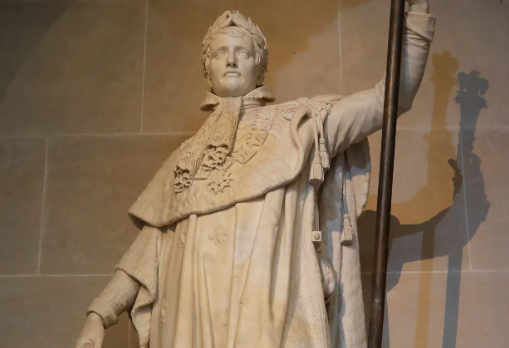
Napoleon Bonaparte, a pivotal figure in European history, has left an indelible mark not only through military conquests but also through the rich tapestry of art and sculptures that epitomize his era. The sculptures of Napoleon, created during the 19th century, encapsulate the political ideals and societal shifts of the time, reflecting the aspirations, values, and tumultuous changes of a continent in transformation.
1. Heroic Imagery and the Cult of Personality
One of the most compelling aspects of Napoleon sculptures is their emphasis on heroic imagery. These works often depict him in regal poses, embodying the virtues of bravery, leadership, and strength. For instance, the statue of Napoleon on horseback by sculptor Antoine-Jean Gros portrays him in a dynamic stance, evoking the conquering hero and linking his image to classical ideals of leadership. This sculptural style served to bolster Napoleon’s cult of personality, presenting him as the savior of France amidst the chaos of the Revolution and its aftermath.
The creation of these grand sculptures was not merely an artistic endeavor but a political strategy. They were used to craft a particular narrative around Napoleon’s reign, portraying him as a unifying figure. The grandeur of these works instilled a sense of national pride and aimed to legitimize his authority in the eyes of the public and other European powers. As a result, such sculptures became a tool for political propaganda and national identity.
-
- Explore the artistic styles of the time—understand the use of neoclassicism in these pieces.
-
- Notice how expressions and gestures are used to convey heroism.
-
- Research the historical context behind specific sculptures.
-
- Analyze the impact of Napoleon’s image in shaping public perception.
2. Symbolism of Power and Authority
The sculptures of Napoleon also reflect the essential attributes of power and authority, vividly encapsulating the political ideals of the 19th century. Many sculptures feature symbolic elements – such as the laurel wreath and the sword – that denote leadership and military might. For example, the impressive statue by Marcello in the Palais des Invalides is adorned with symbols of both military triumph and divine right, reinforcing the notion that Napoleon’s rule was preordained and justified.
This use of symbolism was particularly significant at a time when monarchies were struggling to maintain power and legitimacy. The balance between artistic expression and political messaging positioned these sculptures as essential elements of the statecraft. Sculptors often collaborated with political leaders to ensure that their works communicated the desired ideals effectively, creating pieces that resonated deeply with both the citizenry and the aristocracy.
-
- Identify the various symbols used and their meanings in artworks.
-
- Examine how these symbols played into the narrative of authority.
-
- Compare different sculptures to understand variations in symbolism.
-
- Study the collaboration between artists and political figures.
3. Reflection of Nationalism and Identity
The sculptures created in Napoleon’s honor were not just about the man himself, but also a reflection of growing nationalism throughout Europe. This period marked a shift toward national identity, and Napoleon’s imagery often evoked the idea of a greater France. The use of grand monuments and public artworks served to foster a collective identity among the French people, as well as the notion of France as a powerful, unified state on the European stage.
For example, the monumental statue of Napoleon atop the Arc de Triomphe highlights France’s military victories and celebrates the sacrifices of its soldiers. Such artworks were important during a time when countries were seeking to solidify their national identities post-revolution. They encouraged feelings of unity and patriotism, vital for consolidating power within the nation.
-
- Consider how nationalism influences modern public artworks.
-
- Explore other nations’ struggles with identity at the time for comparison.
-
- Discuss how contemporary sculptures might similarly reflect current political climates.
-
- Analyze public reactions to these works as a measure of national sentiment.
In conclusion, the sculptures surrounding Napoleon Bonaparte provide a fascinating insight into 19th-century political ideals, encapsulating themes of heroism, authority, and nationalism. These works serve as both historical artifacts and reflections of the aspirations of a transforming Europe. Engaging with these sculptures encourages us to consider the ways art interacts with politics and identity today—what will future generations see in our artistic expressions?