
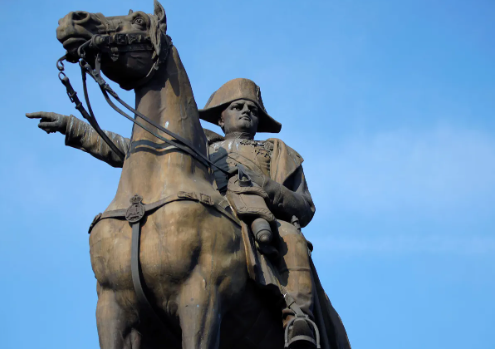
Napoleon Bonaparte, a significant figure in European history, is often represented through statues that showcase his life and achievements. These statues not only commemorate his legacy but also reflect the broader themes of power, authority, and nationalism.
1. The Historical Context of Napoleon Statues
Napoleon’s statues emerged prominently during the 19th century as France sought to solidify its national identity. Following his rise and fall, these monuments served as symbols of imperial power and military prowess. Statues like the one located on the Place Vendôme in Paris symbolize his might and the political narrative that painted him as a beacon of French glory during tumultuous times.
Understanding the historical context of these statues is essential. They were often erected during periods of nationalistic fervor and communal pride, meant to inspire loyalty among the populace. Each statue tells a story, from the grand gestures of military victories to the controversial elements of his dictatorship, revealing a complex relationship between art, politics, and public sentiment.
-
- Research the time period when each statue was erected.
-
- Explore the motivations behind creating these monuments.
-
- Look into who commissioned these statues and their political ideologies.
-
- Compare the locations of statues to areas of historical significance.
2. Artistic Representation and Symbolism
Napoleon’s statues are not merely artistic expressions but are also laden with symbolism. Many statues depict him in military regalia, signifying strength and authority. The choice of posture and attire often reflects the values that society wanted to associate with him, whether depicting triumph or leadership. For instance, the use of bronze or marble signifies timelessness, while equestrian statues portray a view of him as a noble and valiant leader.
These artistic choices are critical in analyzing power dynamics. For example, consider the grandiose nature of his statues contrasted with their strategic placements in highly visible public squares. This positioning not only demanded the attention of passersby but also served to reinforce the political environment, often challenging the power of dissenting voices by evoking a sense of loyalty and reverence for his rule.
-
- Study different artistic styles used in his statues.
-
- Analyze the symbolism behind specific gestures or poses.
-
- Discuss the materials used and their significance.
-
- Consider the influence of these statues on contemporary art or politics.
3. Controversies and Modern Perspectives
Despite their historical significance, many Napoleon statues have drawn controversy, especially in modern times. Critics argue that they represent autocracy and imperialism, prompting a reevaluation of their place in public spaces. The debate surrounding these monuments draws parallels with discussions on the representation of controversial figures in today’s society.
This reevaluation often extends into broader conversations about societal values and what they wish to celebrate or critique. In some cases, statues have been removed or altered in response to calls for social justice, reflecting a shift in collective memory and national identity. Engaging with this modern context invites a deeper understanding of how history is honored or challenged and who is involved in these conversations.
-
- Investigate recent actions regarding the removal of statues.
-
- Engage in conversations about representation in public art.
-
- Understand the arguments for and against preserving controversial monuments.
-
- Reflect on your own opinions regarding these historical figures.
4. The Legacy of Napoleon Bonaparte’s Statues Today
Today, Napoleon’s statues endure as multi-faceted symbols. They are celebrated by some as national treasures while criticized by others as relics of an oppressive regime. This duality highlights the ongoing negotiations between history, art, and memory that shape cultural landscapes. Statues serve as a focal point for dialogues about identity and values, both historically and in present-day France and beyond.
Additionally, many tourists and history enthusiasts visit these sites, drawn by the stories they tell and their representation of power dynamics. The enduring presence of these monuments ensures that discussions about power, leadership, and legacy continue, making them relevant to contemporary audiences. Understanding their cultural significance enables a richer appreciation of the narratives behind them.
-
- Plan a visit to see Napoleon statues in your area or abroad.
-
- Engage with local history discussions or groups focused on public art.
-
- Read literature or view documentaries about the historical context of the statues.
-
- Share your experiences and findings with others to enrich discussions.
In conclusion, Napoleon Bonaparte’s statues are more than mere artistic endeavors; they encapsulate the complexities of power, identity, and memory through time. Taking the time to understand their significance can lead to informed discussions about history and its representation in the present day.