Title: Discovering Lucio Fontana’s Abstract Spatial Concepts
Introduction
Lucio Fontana is a pivotal figure in the world of abstract art, known for his innovative approach that blends painting and sculpture. His work encourages us to rethink spatial dimensions and the interaction between art and the surrounding environment. Understanding Fontana’s abstract spatial concepts offers a fresh perspective on modern art and its evolution.
1. The Essence of Spatialism
At the heart of Fontana’s philosophy is “Spatialism,” a movement he founded that aims to extend the boundaries of artistic expression. Fontana believed that art should engage with three-dimensional space, allowing viewers to experience it in a more immersive way. By creating cuts and slashes in the canvas, he didn’t just alter the surface; he invited audiences to see beyond the conventional flatness of traditional painting. This radical rethinking of surfaces encourages artists today to explore various mediums and dimensions in their own work.
2. The Significance of Cuts and Holes
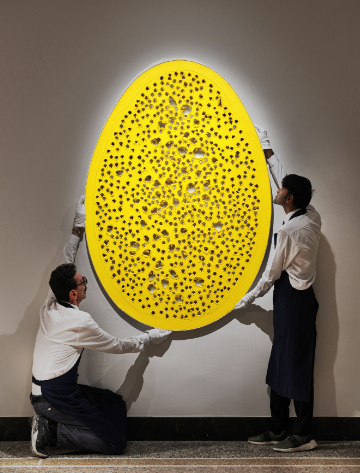
One of Fontana’s most recognizable techniques is his use of cuts and holes, famously exemplified in his “Concetto Spaziale” series. These deliberate disruptions of the canvas surface serve multiple purposes: they create a dialogue between the inside and outside, challenge perceptions of depth, and symbolize the breach between reality and abstraction. The holes allow light to penetrate the canvas, transforming it into a dynamic interaction between the artwork and the environment. This approach has inspired countless artists to experiment with texture and spatial relationships in their creations.
3. Impact on Modern Art
Fontana’s influence extends far beyond his own creations. His explorations into space and form have left an indelible mark on contemporary art, inspiring movements such as Minimalism and Conceptual Art. By pushing the boundaries of what a painting can be, he laid the groundwork for future artists to challenge traditional norms. Today, his ideas resonate through innovative installations and the use of new technologies in art. For those seeking to understand the progression of modern art, Fontana’s work offers invaluable insights into the continuous conversation between past and present.
Conclusion
Lucio Fontana’s abstract spatial concepts revolutionized our understanding of art and its relationship with space. By examining his techniques and philosophies, we can gain a deeper appreciation for how art continues to evolve. If you’re curious to explore more about Fontana and the impact of Spatialism, consider visiting a local gallery or reading further on modern art movements. There’s a whole world of inspiration waiting for you!