
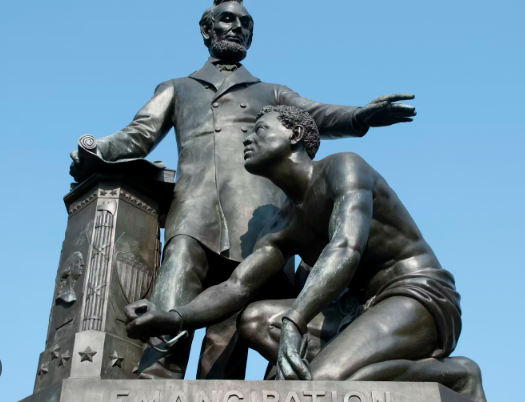
The Abraham Lincoln Memorial in Washington, D.C., is not only a tribute to one of America’s greatest presidents but also a masterpiece of art and symbolism. Central to its powerful narrative is the use of stillness portrayed in the statues, particularly the iconic seated figure of Lincoln. This post will delve into how stillness in these memorial statues enhances their emotional depth and significance.
1. The Power of Stillness in Lincoln’s Pose
One of the most striking features of the Lincoln statue is its deliberate posture of stillness. Sitting with a contemplative expression, Lincoln embodies a sense of solemnity that allows visitors to reflect on his legacy. This choice of stillness is not just an artistic decision; it aligns with Lincoln’s reputation as a thoughtful and deliberate leader who often pondered over the heavy decisions of his time.
The statue’s stillness invites observers to pause and consider Lincoln’s immense contributions to the nation. Whether it’s the abolition of slavery or preserving the Union during the Civil War, Lincoln’s posture symbolizes serenity amidst chaos. By embracing this stillness, artists and designers encourage viewers to engage with the principles and values Lincoln stood for, facilitating a deeper connection to American history.
-
- Take a moment to observe the statue from different angles.
-
- Reflect on what the stillness conveys to you emotionally.
-
- Think about how stillness can help convey messages in your own life.
-
- Consider the historical context of Lincoln’s era while viewing.
2. Symbolism and Its Role in Public Spaces
The use of stillness in the Lincoln Memorial also plays a crucial role in public spaces. Public memorials are designed not just for aesthetic admiration but for collective remembrance and reflection. The statue’s stillness contrasts with the hustle and bustle of Washington, D.C., providing a designated area for visitors to engage in introspection. It encourages citizens to pause not only for Lincoln but for the values he represented.
This symbolism extends beyond the statue itself; it filters into the visitors’ experiences and interactions. The stillness in the memorial serves as a reminder of the importance of calm and contemplation in an increasingly fast-paced world. People from different backgrounds and cultures come together, united in the stillness that encourages a shared examination of the past and its implications on the future.
-
- Visit during quieter times to fully appreciate the ambiance.
-
- Encourage group discussions on what Lincoln’s stillness means.
-
- Engage with others about how silence can foster unity.
-
- Write about your experience to memorialize your visit.
3. Designing Stillness: Architectural Elements
The architecture of the Lincoln Memorial itself underscores the theme of stillness. The structure is designed in a neoclassical style, adorned with 36 columns, each representing a state in the Union at the time of Lincoln’s death. This grandeur contributes to an atmosphere of solemnity and reverence. The use of stone and minimalist design elements directs the eye toward Lincoln, ensuring he remains the focal point in the heart of the Memorial.
The layout surrounding the statue enhances this stillness. Reflecting pools and open spaces guide visitors toward contemplation before they reach the statue of Lincoln. These elements create a serene environment where the noise of the outside world fades, allowing visitors to engage with the weight of history. This careful orchestration of space and stillness invites a deeper marine into the themes of equality, freedom, and justice that Lincoln championed.
-
- Explore the impact of architectural design on emotional response.
-
- Identify other memorials that use similar principles of stillness.
-
- Consider the role of the surrounding environment in memorial design.
-
- Attend educational tours focused on architectural symbolism.
4. The Impact of Stillness on Emotional Engagement
Another significant aspect of the stillness in Lincoln’s memorial statues is its role in creating emotional engagement. The silence that surrounds the statue provides a unique setting for personal reflection. This stillness cultivates an atmosphere where individuals can connect with their emotions, whether it’s gratitude, sorrow, or inspiration. The emotional intensity is enhanced when visitors allow themselves to be in the moment, engaging not only with the statue but also with their thoughts.
Visitors often report experiencing powerful emotions when standing before Lincoln’s seated figure. This emotional connection can act as a catalyst for conversations about larger societal issues such as equality and justice. By inviting this emotional response, the memorial fosters a sense of community and shared purpose among visitors, turning a simple visit into a transformative experience.
-
- Allow yourself to feel emotions while observing the statue.
-
- Consider writing down your feelings during your visit.
-
- Share your reflections with friends or family afterward.
-
- Use this experience as a starting point for deeper discussions on societal values.
In conclusion, the stillness embodied in the Abraham Lincoln Memorial’s statues is more than just an artistic choice; it’s a powerful tool for reflection, emotional engagement, and community interaction. By understanding and appreciating the role of stillness, visitors can connect more deeply to Lincoln’s legacy and the ongoing dialogue surrounding freedom and justice. So, the next time you visit, take a moment to pause and reflect—your thoughts deserve the stillness.