The horse is one of the most representative animal subjects in the history of world art. From prehistoric cave paintings to ancient bronze sculptures, to equestrian portraits of the Renaissance and modern animal art, the image of the horse has always been closely related to the development of human society. Artists of different periods have recorded the natural characteristics, social status, and cultural symbolism of horses through painting, sculpture, and other art forms. The development of horse-themed art also reflects the continuous progress of human aesthetic concepts, artistic techniques, and knowledge of animal anatomy.
1. Horses in Prehistoric and Ancient Art
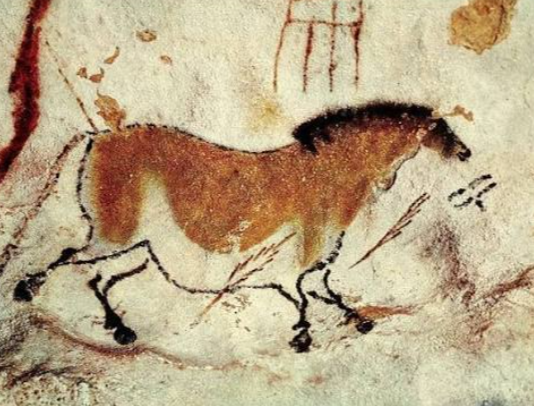
The earliest artistic depictions of horses can be traced back to the Paleolithic era. Numerous images of horses can be found in the prehistoric paintings of Lascaux Cave and Chauvet Cave in France. Early humans used natural mineral pigments to depict the horse’s body outline, limbs, and posture, demonstrating a meticulous observation of animal forms.
With the development of ancient civilizations, the horse gradually became an important artistic subject representing power, military strength, and social status. In ancient Greece and Rome, horses frequently appeared in pottery paintings, reliefs, and bronze sculptures. The extant Equestrian Statue of Marcus Aurelius is a representative work of ancient Roman equestrian sculpture.
In ancient Chinese art, horses also held an important place. The Han Dynasty’s “Flying Horse of Gansu” uses a unique supporting structure to depict the galloping posture of a horse, while Tang Dynasty tri-colored pottery horses, with their full figures, rich glazes, and exquisite horse harness decorations, reflect the social life and aesthetic characteristics of the Tang Dynasty.
2. Horse-themed Art in the Renaissance
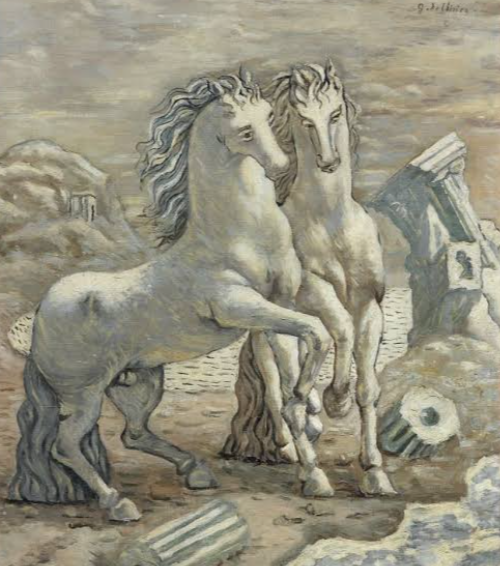
During the Renaissance, European artists began to pay more attention to animal anatomy, body proportions, and the laws of natural movement. Horses were not only an important element in historical paintings and military subjects, but also became an independent subject of artistic study.
Leonardo da Vinci created numerous sketches studying the skeleton, muscles, and body proportions of horses, and designed a large-scale equestrian commemorative sculpture for the Sforza family.
Donatello’s Equestrian Statue of Gatamerata and Andrea del Verrocchio’s Equestrian Statue of Colleoni are representative bronze equestrian sculptures of this period.
These works, while inheriting the traditions of classical art, place greater emphasis on the proportional relationship between the horse and the rider, the center of gravity, and the overall spatial structure.
3. The Development of Horse Painting in the 18th and 19th Centuries
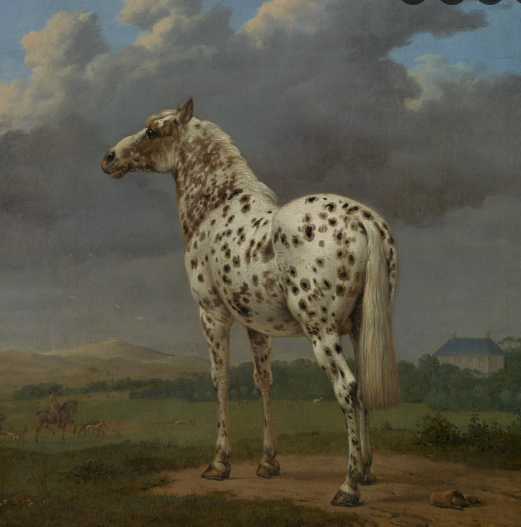
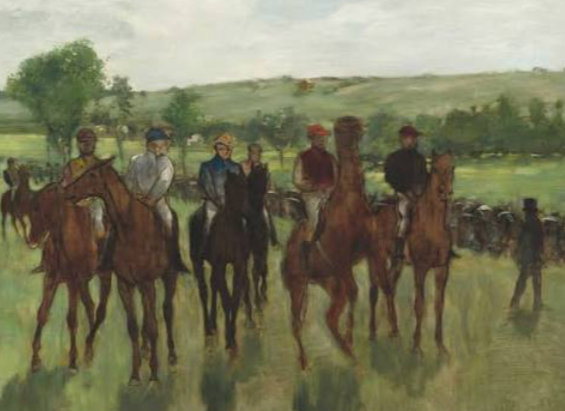
After the 18th century, with the development of horse racing and horse breeding in Europe, horses gradually became an important subject in animal portraiture.
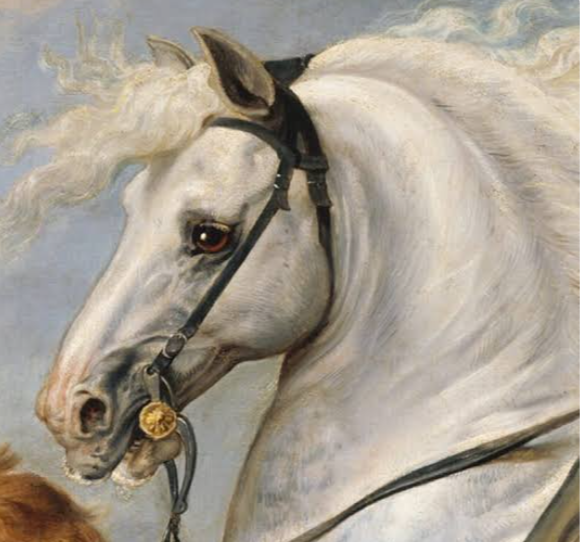
The English painter George Stubbs is renowned for his precise equine anatomy studies. He published The Anatomy of the Horse in 1766, and his masterpiece Whistlejacket showcases the independent artistic value of horses through detailed muscular structure and vivid posture.
In the 19th century, French painters such as Théodore Géricault and Rosa Bonheur further explored the dynamic expression of horses. Bonheur’s The Horse Fair, through its complex composition of a herd of horses, showcases the power, rhythm of movement, and the interaction between humans and animals.
4. How has photography changed equine art?
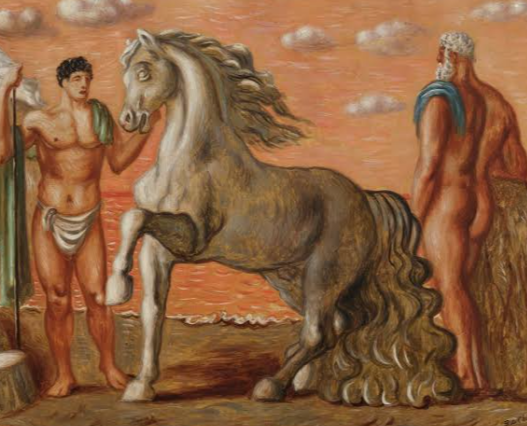
In early paintings, running horses were often depicted with all four limbs outstretched simultaneously. However, this depiction did not entirely reflect the true laws of motion.
In 1878, photographer Eadweard Muybridge used continuous photography to record the changing movements of horses at gallop, revealing the true posture when all four hooves are off the ground simultaneously. This research provided artists with important scientific evidence for understanding animal movement.
Modern realistic animal sculpture has also benefited from anatomical studies and photographic technology. For example, the Horse Galloping sculpture condenses the continuous running motion into a dynamic, three-dimensional image through the flexion and extension of the limbs, muscle contours, body center of gravity, and the movement of the mane and tail.
5. The Representation of Horses in Modern and Contemporary Art
Entering the 20th century, horse-themed art gradually broke through traditional realism. Artists began to explore the form and symbolic meaning of horses through simplification, exaggeration, geometricization, and abstraction.
German Expressionist painter Franz Marc expressed his understanding of the natural and spiritual world through unnatural colors and simplified animal outlines. Italian sculptor Marino Marini used the figures of horses and riders to explore the anxieties, imbalances, and human destiny in modern society.
From natural observations in prehistoric murals to symbols of power in classical sculptures, and then to emotional expression in modern art, horse-themed art has continuously evolved with the times. Studying the development history of this art subject not only helps us understand the cultural value of the horse image but also allows us to recognize the evolution of different art movements in terms of form, composition, and ideological expression.