Frédéric Bazille was a pivotal figure in the early days of Impressionist painting, and his contributions helped shape the movement as we know it today. Although he might not be as well-known as his contemporaries like Monet and Renoir, his unique vision and artistic style played a crucial role in the evolution of this revolutionary art form.
1. Frédéric Bazille: A Brief Biography
Born in 1841 in Montpellier, France, Bazille was raised in a wealthy family, which allowed him to pursue his passion for art. He initially studied medicine but ultimately shifted his focus to painting, enrolling at the École des Beaux-Arts in Paris. Although he was close friends with many leading Impressionists—including Claude Monet, Pierre-Auguste Renoir, and Édouard Manet—he often stood out for his freshness and innovative approach to color and composition.
Bazille tragically lost his life at the young age of 29 during the Franco-Prussian War, which cut short an artist whose potential was still unfolding. Despite his brief career, he left behind significant works that would influence future generations of painters. Understanding Bazille’s life helps appreciate the personal and social dynamics that shaped his art.
-
- Explore Bazille’s background to understand how his upbringing influenced his art.
-
- Familiarize yourself with his personal relationships with other Impressionist artists.
-
- Consider the historical context of France in the mid-19th century.
-
- Look for exhibitions featuring his work and that of his contemporaries.
2. Bazille’s Artistic Style and Innovations
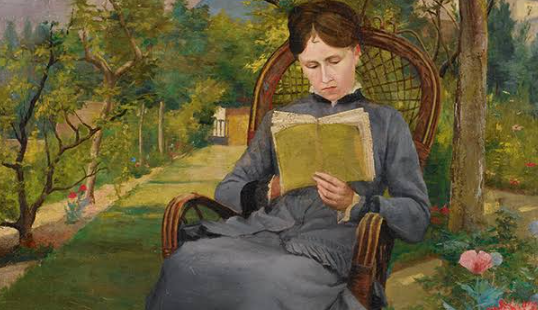
Bazille’s approach to painting was characterized by a strong emphasis on light and color, aspects that would later define the Impressionist movement. He often painted outdoors, capturing the fleeting effects of natural light, which was a significant departure from the studio-bound practices of his predecessors. His brushwork was loose and expressive, which contributed to the dynamic quality of his compositions.
One of his most celebrated works, “The Pink Dress,” showcases his innovative use of color and light, presenting a lively scene with a striking interplay of shadows and brightness. This painting exemplifies his belief in portraying everyday life while exploring deeper emotional themes. Additionally, Bazille often painted figures in relation to nature, using landscapes not just as backgrounds but as integral aspects of the narrative.
-
- Experiment with outdoor painting to capture natural light.
-
- Analyze Bazille’s use of color in his works and how it conveys emotion.
-
- Consider how to incorporate nature into your own artistic narrative.
-
- Practice brushwork techniques to achieve a more expressive style.
3. The Impact of Bazille on Impressionism
Bazille was instrumental in shaping the direction of Impressionism by infusing the genre with a fresh perspective on light and color. His focus on contemporary life, particularly through the lens of his personal experiences, allowed him to create relatable art that spoke to the zeitgeist of the time. His friendships and collaborations with other Impressionists expanded the framework of the movement, encouraging collective exploration in art.
Artists like Monet and Renoir would later cite Bazille as an influence, particularly in their choice to paint en plein air (in the open air). His emphasis on capturing everyday moments and emotions set a precedent for what would become some of the most beloved works in the Impressionist canon. Bazille’s innovative spirit continues to inspire artists searching for authenticity in their work.
-
- Study the works of other Impressionists to see Bazille’s influence.
-
- Attend art workshops focusing on the Impressionist movement.
-
- Engage in discussions about how Bazille’s vision can inform current art practices.
-
- Collect visual references that resonate with your own artistic journey.
4. The Legacy of Bazille in Modern Art
Though he died young, Bazille’s contributions left a lasting legacy in the art world. His approach to composition and emphasis on light opened doors for countless artists. Today, his works are recognized in major galleries globally and are integral to the discourse around Impressionism. This speaks to the enduring relevance of his vision and technique.
In modern art, the principles established by Bazille and his contemporaries continue to thrive. Artists are encouraged to experiment with their styles, use vivid colors, and explore new terrains. His legacy reminds us that even in a brief career, profound impacts can be made, influencing not just peers but also future generations of artists.
-
- Explore modern interpretations of Impressionism.
-
- Visit museums to see original artworks by Bazille and his circle.
-
- Integrate elements of Bazille’s style into your own art practice.
-
- Share your insights about his works in art communities.
Frédéric Bazille’s brief but impactful career offers a compelling glimpse into the formative years of Impressionism. By delving into his life, artistic innovations, and lasting influence, we can discover valuable lessons about creativity and authenticity in our own artistic endeavors. Consider exploring Bazille’s works and the Impressionist style to expand your understanding of this fascinating art movement.