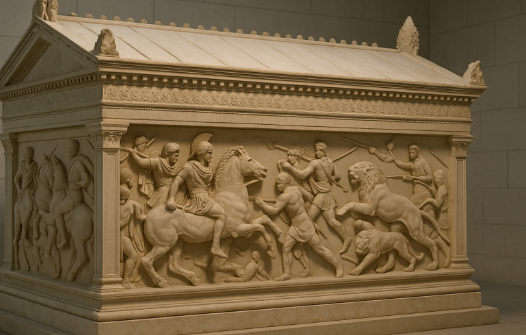
The sculptures of Alexander the Great are not only artistic triumphs but also serve as compelling artifacts of East-West cultural fusion. Born in Macedonia and known for his conquests across the Persian Empire and into India, Alexander’s influence is immortalized in statues that reflect a blend of various artistic traditions. This post delves into the fascinating interplay of Greco-Roman and Eastern styles evident in his statues.
1. The Artistic Techniques of Fusion
The statues of Alexander the Great showcase a variety of artistic techniques that merge Greek and Eastern influences. Greek sculptors primarily focused on realism, accuracy, and idealization of the human form. In contrast, Eastern styles often highlighted intricate details and symbolic representations, focusing less on anatomical precision and more on conveying cultural or spiritual significances. For example, a statue might depict Alexander with the classic Greek hero’s traits, such as a strong and defined physique, while also incorporating Eastern motifs in his clothing or the surrounding decor.
This cultural blend is apparent in the facial features and postures of the statues. Many sculptures portray Alexander not just as a powerful leader but as a dignified king, often featuring a serene expression that reflects Eastern ideals of wisdom and divinity. This balance between the Greek pursuit of ideal beauty and Eastern reverence for inner character provides an enriching representation of Alexander’s multifaceted persona, emphasizing both his military might and intellectual prowess.
-
- Study the differences between Greek and Eastern sculptures to understand their influences.
-
- Visit museums that house classical sculptures for a firsthand experience.
-
- Engage in discussions with art historians for deeper insights.
-
- Look for documentaries or books on Alexander the Great’s impact on art.
2. Cultural Symbolism in Statues
The symbolism embedded in the statues of Alexander the Great reveals much about the cultural exchanges of his time. For instance, the presence of certain animals like lions, which are often associated with both Greek mythology and Eastern puissance, appears in these artworks. Such details indicate not just local artistic choices but also the broader cultural dialogue between the conqueror and the regions he dominated. These animals were often used to symbolize strength, valor, and even divine protection.
<pMoreover, the choice of materials also reflects this fusion. Many statues were made from local resources like granite and marble, which were significant to Eastern artistic traditions. The color palettes and decorative elements often mirrored those found in Eastern art, creating a hybrid aesthetic that served to bridge cultural gaps and celebrate Alexander’s vast empire. This mixture of symbols and materials highlights how art evolved during periods of significant cultural contact.
-
- Research the cultural symbols frequently used in both Greek and Eastern artworks.
-
- Explore local art galleries that feature works influenced by Alexander’s era.
-
- Analyze how modern artists reflect historical influences in their work.
-
- Attend workshops or lectures focused on cross-cultural artistic expressions.
3. The Role of Alexander’s Legacy in Later Art Movements
The legacy of Alexander the Great has been a powerful influence that persisted beyond his life and immediate culture, inspiring countless art movements. Renaissance artists, for instance, drew heavily from classical models, including Alexander’s statues, to illustrate ideals of heroism, power, and leadership. This reverence was not limited to the visual arts; literature and theater also found fertile ground in the themes and narratives surrounding his legendary exploits.
<pSimilarly, neoclassicism of the 18th and 19th centuries revived interest in ancient Greek and Roman art, often idealizing figures like Alexander. Artists approached their works by integrating both classical techniques and Eastern themes, creating pieces that resonate with a diverse audience. This blend serves as a reminder of how cultural exchange continues to influence art today, shaping modern interpretations and representations of historical figures.
-
- Examine influential works from the Renaissance that depict Alexander.
-
- Identify neoclassical art pieces that embraced Eastern influences.
-
- Discuss the themes of heroism and valor in modern depictions of historical figures.
-
- Track the evolution of artistic themes from Alexander’s time to today.
In conclusion, the statues of Alexander the Great exemplify a remarkable fusion of Eastern and Western cultural elements. By studying these artworks, we gain insight into not only the artistic techniques of the time but also the profound narrative of cultural exchange. If you’re inspired by this blend of art and history, consider exploring more about Alexander’s legacy and its impact on contemporary culture and artistic expression.