Ellsworth Kelly’s Pure Abstract Forms
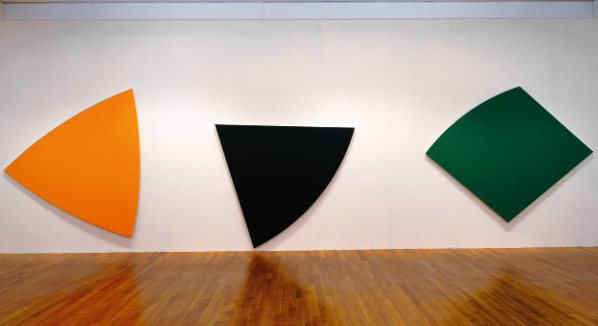
Ellsworth Kelly, an iconic figure in the world of abstract art, is celebrated for his vibrant use of color and form. His work transcends traditional boundaries, inviting viewers to engage with art on a deeper level. This exploration of Kelly’s pure abstract forms sheds light on the significance of his contributions to modern art, making it a compelling subject for artists, art enthusiasts, and anyone curious about the interplay between form and color.
1. The Essence of Abstraction
At the heart of Ellsworth Kelly’s work is the concept of abstraction. Unlike representational art, which seeks to depict objects or scenes from the real world, Kelly’s pieces distill forms down to their most basic elements. By eliminating unnecessary details and focusing on shape and color, he encourages viewers to experience art in a more direct and visceral way. This minimalist approach allows each piece to evoke emotion and provoke thought, challenging us to consider what we truly see and feel in response to color and form.
2. The Power of Color in Kelly’s Work
Color is a central player in Ellsworth Kelly’s artistic language. He often uses bold, saturated hues that command attention and stimulate the senses. His approach to color is not merely decorative; it serves as a vital component of the composition, establishing mood and creating a visual dialogue. For instance, his works like “Blue Green Yellow” demonstrate how contrasting colors can coexist harmoniously, drawing the eyes together in a dance of light and shadow. Through his unique manipulation of color, Kelly transforms simple forms into powerful expressions that resonate with the viewer’s emotions.
3. The Influence of Nature and Architecture
Ellsworth Kelly’s abstract forms are deeply influenced by the world around him, particularly nature and architecture. He has often drawn inspiration from the landscapes he encountered during his travels and the architectural spaces he inhabited. Works such as “Austin” showcase how he integrates natural light and structural elements to enhance the viewer’s experience. By situating his pieces within architectural contexts, Kelly creates an immersive environment that amplifies his pure abstract forms, inviting viewers to step inside his vision and interact with art in a spatial context.
In conclusion, Ellsworth Kelly’s pure abstract forms offer a captivating lens through which to view art. His innovative use of color, dedication to abstraction, and relationship to nature challenge traditional perceptions and invite further exploration. Whether you’re an artist seeking inspiration or simply someone intrigued by the beauty of modern art, delving into Kelly’s work is a rewarding endeavor. Discover more about his legacy and perhaps visit an exhibition; you may find yourself transformed by the experience!