
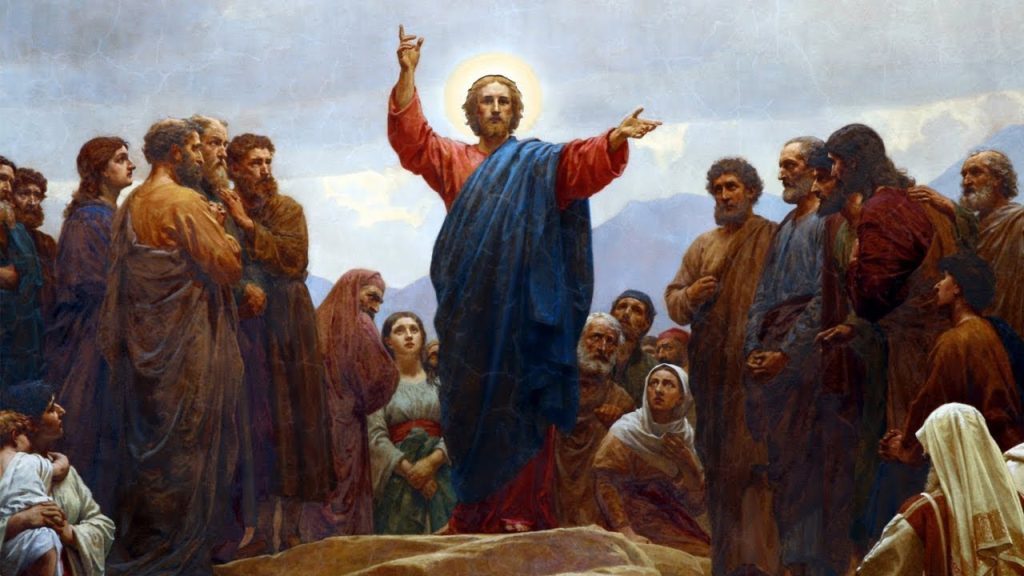
Traditional Christian art, as one of the most influential art forms in the history of Western civilization, carries rich religious connotations and profound humanistic emotions. From early church murals and painted manuscripts to Renaissance icons and modern religious sculptures, Christian art has consistently guided the development of aesthetics with its inherent spirituality and theological expression. In these works, artists not only strive to present biblical stories but also pursue the use of visual language to convey sacred truths and the mysteries of redemption.
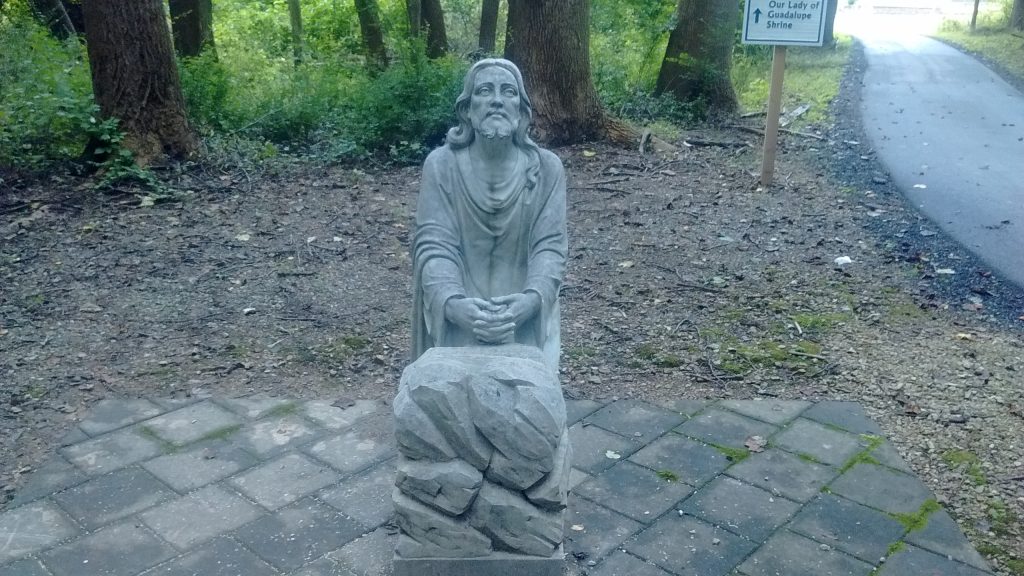
Among many classic themes, “Jesus Praying” is one of the most frequently depicted scenes in traditional Christian art. Through composition, light and shadow, and expressive portrayal, artists allow believers to meditate on Christ’s obedience and sacrifice before the works. For example, many church courtyards or religious art galleries display “Jesus Praying in Gethsemane Statue,” a sculpture recreating the moment Jesus prayed alone in the Garden of Gethsemane. These works typically guide viewers into contemplation with their serene posture, soft contours, and profound emotional expression, allowing them to experience the pressure Christ endured and his complete obedience to the Father.
The value of traditional Christian art lies not only in presenting history but also in perpetuating the experience of faith. It allows modern viewers to transcend time and space, entering a deeper spiritual world. Whether in painting, sculpture, or decorative elements in architecture, each piece is a meeting point of theology and aesthetics, guiding people to reflect on the meaning of life, salvation, and love.
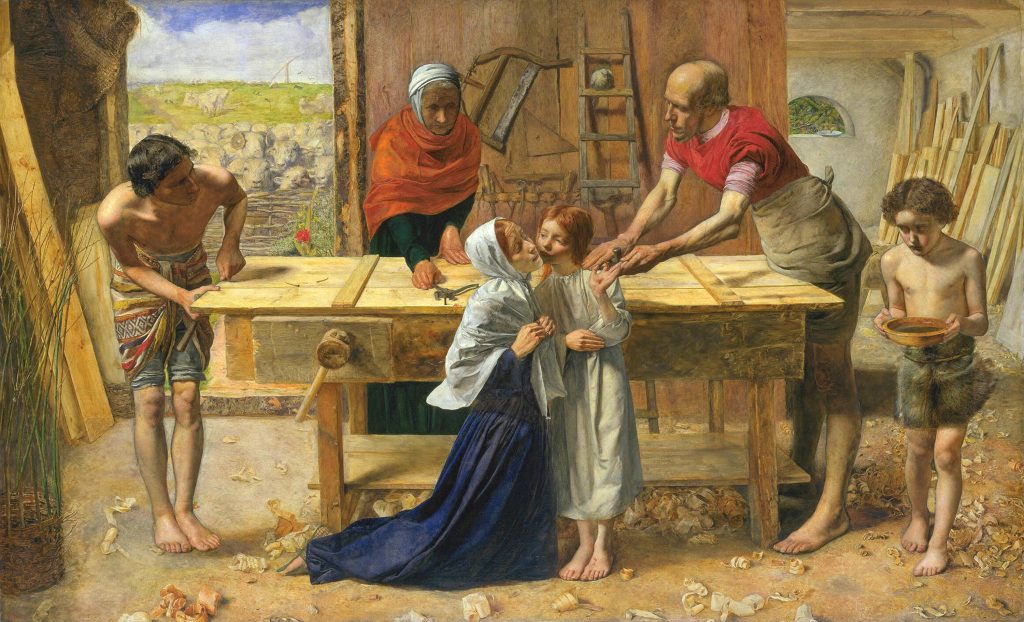
Today, when we appreciate these artistic treasures, we are not merely viewing a work of art, but participating in a shared memory of faith and culture. This is precisely the enduring power of traditional Christian art.