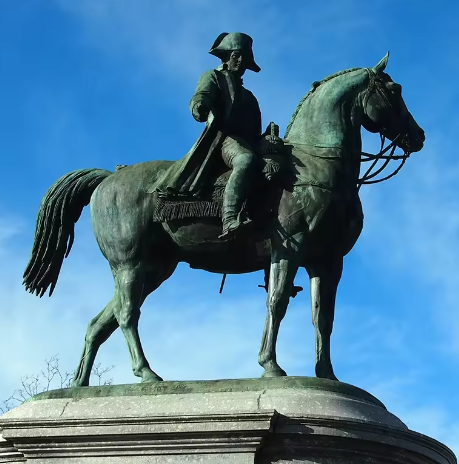
The sculptures of Napoleon Bonaparte serve as a fascinating study of how gesture and posture convey power, personality, and historical significance. Artists skillfully designed these sculptures to represent not just the man, but the aura and essence of leadership he embodied. Understanding the nuances of gesture and posture in these artworks can deepen our appreciation of both Napoleon’s legacy and the artistry involved.
1. The Art of Gesture in Sculpture
Gesture is a critical element in sculpture as it communicates emotions and intentions without the need for words. In the context of Napoleon, sculptors often depicted him in assertive postures—one arm raised, the other held confidently at his side. This posed a sense of authority, suggesting that he is leading or addressing troops, thereby enhancing his image as a charismatic leader.
For example, Antonio Canova’s statue of Napoleon as Mars the Peacemaker emphasizes his role as a general who has successfully brought peace to France. The dynamic arm positions create a visual narrative that portrays strength and determination, transforming him from a mere historical figure into an iconic symbol of leadership. Each gesture is intentional, designed to elicit admiration and respect.
-
- Observe the arm and hand positions in different Napoleon sculptures.
-
- Consider how gesture changes the viewer’s perception of power.
-
- Explore other historical figures and their gestures in artistic representations.
-
- Experiment with your own gestures and observe how they affect communication.
2. The Importance of Posture
Posture plays a crucial role in conveying information about a subject’s character and status. In Napoleon’s sculptures, the posture often depicts him standing tall, with a slight forward lean, which portrays confidence and readiness. This physical stance signifies a leader who is not only attentive but also omnipresent, reinforcing his dominance and authority over his domain.
In the famous “Napoleon Bonaparte,” sculpted by Jean-Antoine Houdon, the emperor is shown in a classic standing pose, draped in a military overcoat. His stance is both relaxed and alert, juxtaposing the tension of leadership with the calmness of a man in control. Such posture paints a portrait of Napoleon not merely as a ruler but also as a person deeply embodying the ideals of his era.
-
- Analyze the spatial dynamics between Napoleon’s body and the environment in sculptures.
-
- Reflect on how a figure’s posture influences the overall mood of the sculpture.
-
- Take note of how the materials used affect the portrayal of posture and stance.
-
- Discuss with peers how body language in art translates to real-world leadership presence.
3. Symbolism in Gesture and Posture
Every pose and gesture in Napoleon’s sculptures carries symbolic weight. The raising of a hand can symbolize the call to action, signifying Napoleon’s role as a motivator and leader. In doing so, artists turn simple physical forms into ideological representations that reflect the power structures of their time and place.
The use of military attire paired with assertive gestures amplifies the effect; for instance, in Jean-Baptiste Auguste Clésinger’s statue, Napoleon appears in full regalia with his hand placed firmly within his coat, a direct nod to classical imagery of authority. This not only enhances his status but also taps into historical conventions that audiences of the time would have instantly recognized.
-
- Research the historical context around specific symbolic gestures in art.
-
- Experiment by creating your own poses and identify what they might symbolize.
-
- Compile a list of various gestures in different cultures and their meanings.
-
- Engage in discussions about how symbolism in art can reflect societal values and mores.
4. The Role of Emotion in Gesture and Posture
Emotion is another layer that adds depth to gesture and posture in Napoleon’s sculptures. The way Napoleon is positioned often reflects the passions of the times—the fervor of his victories or the weight of his defeats. For instance, a more closed posture might signify defeat or contemplation, while an open gesture is imbued with optimism and hope, ideal for speeches and public appearances.
In one particular work, a seated Napoleon gazes thoughtfully into the distance, his posture relaxed yet introspective. This contrast offers a glimpse into the complexities of leadership—highlighting moments of contemplation in an otherwise decisive life. Such nuances show that these sculptures are not static; they invite the viewer to connect emotionally and intellectually.
-
- Reflect on how you feel when viewing different postures in art.
-
- Practice interpreting emotional cues conveyed through body language.
-
- Explore how your emotional state influences your own posture.
-
- Share observations about emotional expression in public figures through their body language.
In conclusion, the effective use of gesture and posture in Napoleon’s sculptures reveals the depth of artistic intention behind each piece. By appreciating these nuances, we gain insights into leadership qualities that transcend time. If you’re inspired, consider exploring more about the significance of body language in art, or even try observing it in your daily interactions to enrich your understanding further.