
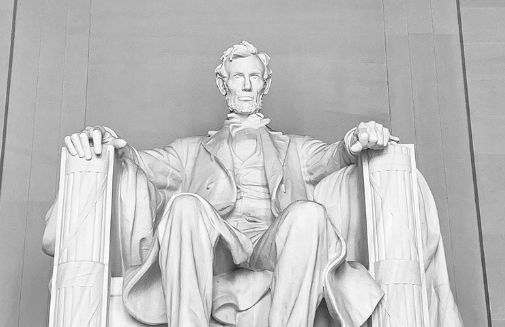
The design of monuments is an art form that blends aesthetics with symbolism, and the Abraham Lincoln Monument is no exception. A key factor in this design process is the role of scale, which not only affects the visual impact of the monument but also conveys the weight of Lincoln’s legacy.
1. Understanding Scale in Monument Design
Scale refers to the size of the monument in relation to its surroundings and the human experience. In the case of the Abraham Lincoln Monument, the scale was carefully considered to evoke feelings of majesty and reverence. Sculptors and architects use scale to enhance the emotional response of viewers, facilitating a deeper connection with the historical narrative being represented.
For instance, the grandeur of Lincoln’s seated figure, which stands taller than life at over 19 feet, encourages viewers to look up in awe. This upward gaze symbolizes Lincoln’s elevated status and enduring legacy. Additionally, the spacious seating area around the monument allows visitors to experience a sense of contemplation and reflection, enhancing the overall effect of scale in the monument’s design.
-
- Consider proportions carefully when designing a monument.
-
- Create a balance between the monument and its surroundings.
-
- Utilize height to evoke emotional reactions.
-
- Ensure visitor access is comfortable despite the monument’s scale.
2. The Emotional Impact of Scale
The emotional resonance of a monument can be significantly impacted by its scale. An oversized monument can inspire feelings of grandeur and awe, while a smaller, more intimate design might evoke personal connections. The Lincoln Memorial, for example, is designed as a temple, emphasizing the importance of its subject through monumental architecture.
In addition to size, the scaling of certain details can create a powerful narrative. The iconic Gettysburg Address is inscribed on the walls of the monument, and its scale invites visitors to ponder Lincoln’s words. The font size and placement are carefully chosen to engage both the mind and spirit, inviting reflection on key themes of unity and freedom.
-
- Evaluate the emotional tone you wish to communicate.
-
- Use detailing to enhance the narrative without overwhelming it.
-
- Test different scaling options to gauge emotional impacts.
-
- Seek feedback from diverse audiences regarding emotional responses.
3. Practical Considerations in Scaling Design
When designing a monument like the Abraham Lincoln Monument, various practical considerations come into play regarding scale. Planning for the monument’s surroundings is essential, ensuring that it remains visible and accessible to the public. Elements such as landscaping, pathways, and viewing angles all factor into the overall presentation of the monument.
Furthermore, materials used in construction can also impact perceived scale. For example, choosing a light-colored stone can create a more ethereal appearance, making the monument feel even larger. Conversely, darker materials may impart a sense of weight and permanence, anchoring the structure firmly in place.
-
- Assess environmental factors that may influence visibility.
-
- Choose materials that reinforce the intended scale and message.
-
- Incorporate landscaping thoughtfully to enhance the monument.
-
- Consider accessibility for all visitors during the design phase.
The design of the Abraham Lincoln Monument exemplifies the careful consideration of scale as a focal point in memorializing history. Its grandeur not only honors Lincoln’s legacy but also invites meaningful reflection from viewers. Understanding the impact of scale can greatly enhance future monument design projects, making them significant spaces of remembrance.
In conclusion, the role of scale in the design of monuments is integral to their impact. Whether planning a new monument or visiting an existing one, it’s essential to appreciate how scale influences emotional responses and accessibility. Take the time to consider these aspects and engage in discussions about historical memorials in your community.