Abraham Lincoln, the 16th President of the United States, is widely celebrated for his leadership during one of the nation’s most turbulent times. His legacy is immortalized not only through written history but also through monumental sculptures, which capture the essence of his character and his impact on American society.
1. The Lincoln Memorial: A National Icon
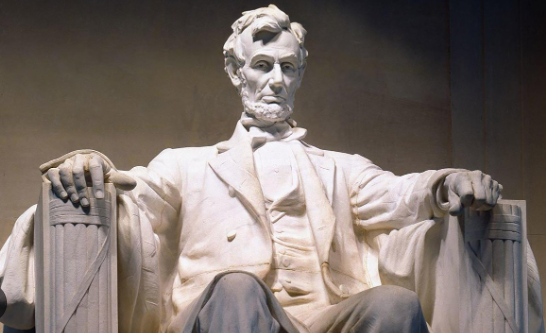
The Lincoln Memorial, located in Washington, D.C., is perhaps the most iconic representation of Abraham Lincoln in sculpture. Designed by architect Henry Bacon and dedicated in 1922, the memorial features a colossal seated statue of Lincoln, sculpted by Daniel Chester French. The statue is 19 feet tall and is surrounded by inscriptions of two of Lincoln’s most famous speeches, the Gettysburg Address and his Second Inaugural Address, which highlight his commitment to unity and equality.
The memorial serves as a gathering place for many significant events in American history, including the 1963 March on Washington led by Martin Luther King Jr. The statue’s posture—sitting with a thoughtful gaze—embodies Lincoln’s reflective nature and commitment to democracy, making it a powerful symbol of hope and resilience. Visitors from around the world frequent this site, not only to pay respect to Lincoln but to reflect on the ongoing struggle for civil rights and justice.
-
- Plan your visit to coincide with sunrise or sunset for stunning photographs.
-
- Consider joining a guided tour to learn more about the history of the memorial.
-
- Be respectful of others who are there for reflection or commemoration.
-
- Engage with the inscriptions; they provide context to Lincoln’s values.
2. The Gettysburg Address: More than Words in Stone
The Lincoln Memorial also features engravings of the Gettysburg Address, a pivotal speech delivered by Lincoln in 1863. This speech is etched into the walls of the memorial and serves as a constant reminder of Lincoln’s vision for a united nation. The short but powerful address emphasizes equality and the importance of democracy, elevating Lincoln’s reflections on the sacrifices made during the Civil War to defend these ideals.
Monumental sculptures that celebrate Lincoln’s speeches, including the Gettysburg Address, serve as pedagogical tools today. These words resonate not only within the context of Lincoln’s era but also in contemporary discussions about freedom and equality. Various institutions and public committees frequently reference the Gettysburg Address in educational settings, inspiring future generations to uphold these values.
-
- Explore interactive exhibits that detail the historical context of the Address.
-
- Participate in community events that celebrate Lincoln’s impact on civil rights.
-
- Read the address in different interpretations to appreciate its depth.
-
- Discuss its relevance today with friends or in online forums.
3. The Emancipation Memorial: Art with a Purpose
The Emancipation Memorial, also known as the Freedman’s Memorial, is located in Washington, D.C., and was dedicated in 1876. The statue features Lincoln standing over a freed slave, who is depicted rising from bondage. The work, by artist Thomas Ball, was commissioned by the African American community in Washington, highlighting the gratitude felt by freed people towards Lincoln for his role in abolition.
This sculpture serves as a conversation piece regarding the complexities of emancipation and the ongoing fight for racial equality. While Lincoln is celebrated for issuing the Emancipation Proclamation, the memorial challenges viewers to consider the long, arduous journey toward true freedom and equality for African Americans. The memorial has sparked both admiration and criticism, reminding us that the legacies of historical figures can be multifaceted.
-
- Engage in discussions about the implications of the sculpture’s message.
-
- Visit with peers to reflect on varying perceptions of its meaning.
-
- Research the artists and communities involved in the monument’s creation.
-
- Reflect on the ongoing legacy of emancipation and its impact today.
4. Sculptures Beyond the Mall: Lincoln’s Influence Nationwide
Libraries, schools, and town squares across the United States feature various sculptures of Lincoln, showcasing his widespread admiration. These statues aren’t just symbols but serve as reminders of his leadership and values. From smaller busts to larger-than-life figures, each sculpture tells a story of resilience, hope, and promise—a narrative that continues to inspire communities across the nation.
These regional sculptures often highlight local histories and connections to Lincoln. For example, in Springfield, Illinois, the capital city where Lincoln lived and worked, the Lincoln Tomb and several sculptures commemorate his legacy. These artworks promote community engagement as citizens gather around them to celebrate history, learn, and reflect on civic duty.
-
- Visit local parks or museums to discover lesser-known Lincoln sculptures.
-
- Organize a “Lincoln sculpture hunt” in your town or city.
-
- Share stories or memories related to any local monuments you visit.
-
- Encourage schools to include Lincoln’s legacy in their history curricula.
The monumental sculptures representing Abraham Lincoln showcase not only his remarkable leadership but also the values he fought for during his lifetime. They serve as powerful reminders of the ideals of democracy and equality that continue to resonate today. Whether you visit a local statue or the iconic Lincoln Memorial, take a moment to reflect on the important messages these works convey.