
Michelangelo Buonarroti was not just a master of Renaissance art; he was a pivotal figure in the development of monumental sculpture. His innovative techniques and profound artistic vision have left an indelible mark on the world of sculpture, elevating the artist’s role in society. In this blog post, we will explore Michelangelo’s contributions to monumental sculpture and what we can learn from his work.
1. The Masterworks of Michelangelo
Michelangelo’s most famous sculptures, such as “David” and “Pietà,” showcase his remarkable ability to imbue stone with lifelike qualities. The “David,” carved from a single block of marble, is renowned for its intricate detail and emotional depth, symbolizing both the strength and vulnerability of humanity. Michelangelo’s technique—using light and shadow—creates a sense of movement that brings his subjects to life, making them more relatable and dramatic.
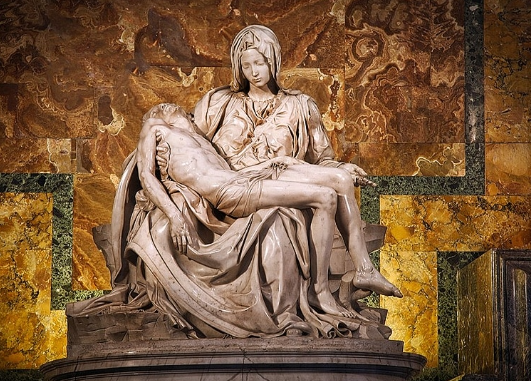
Another iconic work, “Pietà,” depicts the Virgin Mary holding the body of Christ after the crucifixion. This sculpture exemplifies Michelangelo’s mastery of emotion, portraying despair and grace with profound sensitivity. The folds of Mary’s robes and the serene expression on her face reflect a deep understanding of both human anatomy and spiritual themes, making this piece a cornerstone of Western art.
-
- Study images of Michelangelo’s work to appreciate the detail.
-
- Visit museums hosting his sculptures to experience scale and context.
-
- Analyze the emotional impact of his works.
-
- Research the stories behind each piece for greater understanding.
2. Techniques and Innovations
One of the striking features of Michelangelo’s sculpture is his use of contrapposto, a technique that gives a sense of dynamism to the body by positioning weight on one leg. This not only creates a more natural stance but also enhances the storytelling aspect of the figures he sculpted. By shifting the center of gravity, Michelangelo could convey movement and life, making subjects feel as if they were about to speak or move.
In addition to contrapposto, Michelangelo employed a technique known as “non-finito” or unfinished work. Some of his sculptures, such as “The Prisoners,” leave marble partially carved, creating tension and suggesting the struggles inherent in the artistic process. This technique invites viewers to consider the relationship between the finished and the unfinished, engaging them in a dialogue about art and creation.
-
- Try experimenting with contrapposto in your own sketches.
-
- Explore the concept of “non-finito” by leaving some artwork intentionally unfinished.
-
- Observe how natural forms influence your depictions of movement.
-
- Visit studios or workshops to learn about practical sculpting techniques.
3. The Impact of Michelangelo on Future Generations
Michelangelo’s influence transcended his own lifetime, with subsequent generations of artists drawing inspiration from his techniques and themes. The dramatic facial expressions and heroic stances found in Renaissance sculptures heavily rely on his pioneering approaches. Artists like Bernini and Rodin incorporated Michelangelo’s emotional depth and naturalism into their works, showcasing the lasting impact of his precedent.
Moreover, Michelangelo’s role as an artist was transformative. He asserted the idea that artists are not merely craftsmen but innovators and thinkers, which elevated the status of the artist in society. This more profound recognition fostered a space for personal interpretation and expression, shaping the cultural landscape for centuries to come.
-
- Explore the works of artists influenced by Michelangelo.
-
- Engage in discussions about the evolution of the artist’s role throughout history.
-
- Consider how current artists are inspired by Michelangelo’s techniques and philosophies.
-
- Conduct research on key artistic movements influenced by the Renaissance.
4. Embracing the Spirit of Michelangelo in Modern Art
Contemporary artists can draw valuable lessons from Michelangelo’s approach to sculpture, particularly his willingness to explore complex emotional themes. Embracing vulnerability and exploring profound emotional states can create work that resonates powerfully with audiences today. Whether in public installations or gallery pieces, the depth of feeling can enhance the viewer experience.
Furthermore, the collaborative spirit evident in Michelangelo’s life can serve as an inspiration for modern artists. Engaging in workshops, open studios, or artist collectives can strengthen skills and broaden perspectives. Emulating Michelangelo’s dedication to lifelong learning and collaboration can lead to artistic breakthroughs and professional relationships that enrich artistic practice.
-
- Join local art groups to exchange techniques and ideas.
-
- Participate in collaborative projects to expand creative boundaries.
-
- Experiment with addressing emotional themes in your art.
-
- Engage with diverse artistic communities for broader insights.
In conclusion, the monumental sculptures of Michelangelo continue to inspire artists and admirers alike. By studying his techniques and philosophies, we can enrich our own artistic journeys. Whether you are an aspiring artist or an art enthusiast, diving into the legacy of Michelangelo will expand your understanding and appreciation of sculpture.