
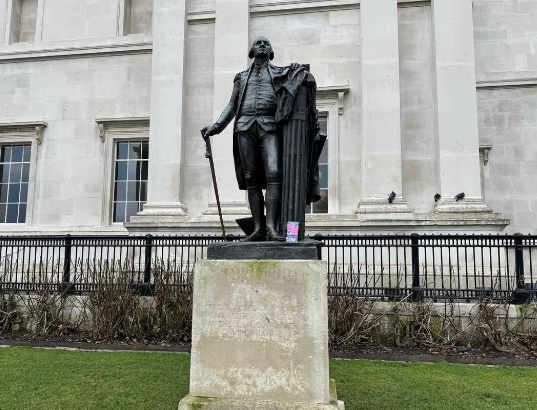
George Washington statues are often found in public squares across the United States, standing as a testament to the legacy of the nation’s first president. These statues serve not only as historical monuments but also as focal points for community gatherings and discussions.
1. Historical Significance of George Washington Statues
The statues of George Washington play an essential role in American history, representing the ideals of leadership, liberty, and sacrifice. These monuments are erected not just as artistic achievements but as symbols of the struggles and triumphs that defined the birth of the United States. For instance, the statue in Boston Common, which honors Washington’s military leadership, was commissioned by the Massachusetts General Court in 1789, reflecting early efforts to commemorate his contributions.
Moreover, these figures encapsulate critical moments in American history, often inspiring discussions about democracy and citizenship. Take the statue in Richmond, Virginia, which served both as a reminder of America’s beginnings and a focal point for social movements. Understanding the contexts in which these monuments were created provides deeper insights into what they represent today.
-
- Research the history of specific statues in your area.
-
- Check local museum exhibits that may discuss these monuments.
-
- Join community discussions regarding the legacy of historical figures.
-
- Visit sites with historical landmarks to gain perspective on their significance.
2. Artistic Elements of the Statues
The artistic design of George Washington statues can vary widely, reflecting different artistic styles and cultural influences. Some statues are noted for their neoclassical style, with Washington depicted in heroic postures and classic attire. Such designs aim to inspire admiration and reverence, making them iconic representations of leadership. For example, the statue by Jean Antoine Houdon in Virginia captures Washington in a moment of readiness, symbolizing his role in building the nation.
In contrast, contemporary statues may incorporate modern artistic elements, intended to evoke a dialogue about the complexities of history. The recent installations and reinterpretations of historical figures show how art can reflect changing societal values. This reflects the community’s evolving relationship with history, inviting us to examine who should be honored and why.
-
- Visit local art galleries to explore artistic styles of various statues.
-
- Attend workshops that educate on sculpture and public art installations.
-
- Research the backgrounds of artists behind these monuments.
-
- Engage with local artists about their perspectives on historical figures in art.
3. Community Engagement and Controversies
Statues of George Washington frequently serve as focal points for community engagement, discussions, and sometimes controversy. Communities often debate the relevance and interpretation of these statues in the face of new social movements. For example, the removal of some Washington statues has sparked critical conversations about race, legacy, and how history is remembered and honored today.
Engaging the community around these statues can foster understanding and shared learning. Educational programs and discussions in public squares can provide platforms for voices that have often been sidelined. The aim should be to create a balanced view of history that acknowledges both the achievements and shortcomings of prominent figures like Washington.
-
- Organize community forums on the implications of public monuments.
-
- Promote educational programs that focus on inclusive history lessons.
-
- Encourage local activists to share their perspectives.
-
- Utilize social media platforms for broader reaching dialogue.
George Washington statues stand not only as markers of history but also as conversation starters in our communities. They challenge us to confront both the ideals they represent and the realities of our past.
As you explore these statues in your public squares, consider participating in community dialogues. Educate yourself and others about their historical and artistic significance, and engage in local discussions on the legacies they convey. Through these efforts, we can foster a more informed and connected community.