
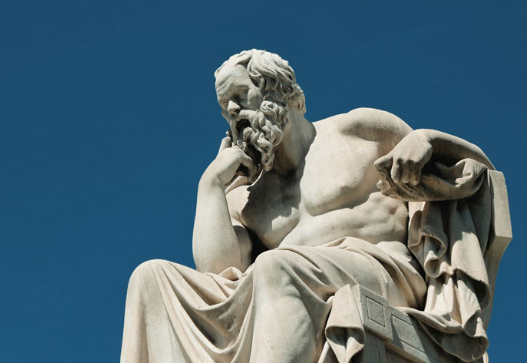
Throughout history, Socrates has been a significant figure in the realm of philosophy, and his statues around the world reflect his profound influence. These sculptures do more than just commemorate the philosopher; they invite viewers to explore the deeper meaning and implications of philosophical inquiry. In this post, we’ll delve into the visual representation of Socrates and how these statues contribute to our understanding of philosophical concepts.
1. The Historical Context of Socrates Statues
The origin of Socratic statues can be traced back to ancient Greece when Socrates became an emblematic figure for philosophical thought. Statues were not merely artistic expressions; they served as a way to honor great thinkers and preserve their legacies. Seeing these statues in public spaces invites modern society to engage with the philosophical inquiries of the past, prompting questions about morality, ethics, and knowledge.
These statues often depict Socrates in a contemplative pose, reflecting his character as a seeker of wisdom. There is a notable diversity in the styles and materials used, ranging from the classical marble statues reminiscent of the Ancient Greek aesthetic to contemporary representations in modern cities. Each statue offers its unique interpretation, enriching the visual language of philosophy.
-
- Research different historical statues of Socrates and their styles.
-
- Consider how the pose and expression of Socrates change with each statue.
-
- Visit museums or historical sites to observe these statues in person.
-
- Reflect on how Socrates’ depiction affects your understanding of his philosophies.
2. The Symbolism behind Socratic Representations
Every statue of Socrates is imbued with symbolism that speaks to his philosophical contributions. For instance, many statues feature him with a furrowed brow or a gesture pointing upwards, symbolizing the pursuit of higher knowledge and truth. This visual language allows individuals to grasp complex philosophical ideas through expressive art, making them more approachable.
Moreover, the materials chosen for these statues often symbolize various philosophical themes. For instance, bronze can signify strength and permanence, an allusion to the enduring nature of Socratic wisdom. Understanding these symbolic choices can deepen our appreciation for both the art and the philosophy behind it.
-
- Analyze the symbols present in different Socratic statues.
-
- Connect specific symbols with philosophical themes (e.g., questioning, wisdom).
-
- Consider the cultural context in which a statue was created.
-
- Share your interpretations with friends or in a blog post.
3. The Role of Sculpture in Philosophical Dialogue
Sculptures, such as those of Socrates, serve as prompts for discussion and reflection in philosophical dialogue. They are not merely static representations; they invite viewers to consider the implications of Socratic questioning and the dialectical method he famously employed. Engaging with these sculptures allows individuals to ponder ethical dilemmas and the nature of wisdom.
In academic and public settings, Socratic statues can inspire conversations about democracy, ethics, and social responsibility. By using these artworks as starting points for discussion, we keep the spirit of Socratic inquiry alive, encouraging critical thinking and debate about how we apply his teachings in contemporary society.
-
- Participate in group discussions that revolve around Socratic themes and principles.
-
- Use statues as springboards for debates on ethical issues.
-
- Engage with different viewpoints to enrich your understanding.
-
- Encourage mutual respect in discussions about philosophy.
Socrates statues represent more than just artistry; they embody the essence of philosophical inquiry and reflection. They remind us of the importance of questioning and seeking deeper truths, making philosophy accessible and engaging for everyone. Take a moment to visit a local statue or delve into the philosophies that they inspire; you might uncover insights into your own life’s questions.