
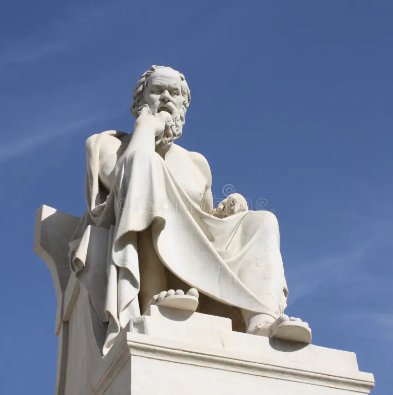
Seated Socrates sculptures have become iconic symbols in many academic institutions around the world. These artworks not only inspire scholarly thought but also serve as a bridge between philosophy and education. They remind us of the importance of inquiry and dialogue in learning.
1. The Historical Significance of Socrates Sculptures
The legacy of Socrates dates back to ancient Greece, where he became one of the first philosophers to challenge traditional thought through questioning. Sculptures depicting him often evoke an atmosphere of intellect and reflection in academic settings. Institutions that include these statues pay tribute to the enduring quest for knowledge and the importance of critical thinking.
Many of these sculptures are strategically placed in areas frequented by students and faculty, such as libraries, courtyards, and lecture halls. This positioning aims to inspire reflective thinking as students pass by, serving as a gentle nudge to engage in philosophical discourse. By encountering these artistic representations of Socrates, students can connect with the foundational ideas of knowledge-seeking that permeate their academic journey.
-
- Research the history and origins of the Socratic method.
-
- Visit your local academic institutions to view Socrates sculptures in person.
-
- Discuss how Socratic questioning can impact your learning.
-
- Engage in a dialogue with peers about the significance of these sculptures.
2. Aesthetic Appeal and Educational Impact
Seated Socrates sculptures serve not only as educational symbols but also as artistic masterpieces. Crafted from materials like marble, bronze, or modern composites, each sculpture can spark curiosity about its artistic style and historical context. This adds a layer of educational value, as students may become interested in art history while admiring the craftsmanship.
Furthermore, these sculptures often promote inclusiveness and diversity of thought. By integrating philosophical figures into physical spaces, institutions signal that varied perspectives, especially those concerning ethics and morality, are welcome in academic discussions. This is particularly vital in today’s diverse environments where students come from different backgrounds and thought processes.
-
- Attend workshops on the interaction between art and education.
-
- Organize campus tours to explore sculptures and discuss their significance.
-
- Compile a list of philosophers and their works to deepen your understanding.
-
- Encourage faculty to incorporate discussions about Socratic ideals into their curriculum.
3. Incorporating Socratic Dialogue into Learning
Socrates is known for his method of dialogue, focusing on asking questions rather than providing answers. In academic environments, incorporating this dialogue can be transformative. Students are encouraged to explore complex ideas collaboratively, drawing insights from their peers while developing critical thinking skills that are essential for their future careers.
Many institutions have started implementing Socratic seminars that prioritize open discussion over lecture-style teaching. In these seminars, students read and analyze texts together, posing questions that promote deeper exploration of the subject matter. Such settings not only enhance retention but also foster a sense of community among students as they learn to appreciate different viewpoints.
-
- Explore your institution’s options for participating in Socratic seminars.
-
- Practice formulating open-ended questions in your discussions.
-
- Encourage peers to share their ideas without fear of judgment.
-
- Reflect on how Socratic questioning can apply to your daily studies.
4. Philosophical Themes Represented by Seated Socrates
The themes portrayed through seated Socrates sculptures are rich and diverse, often encapsulating conversations about ethics, virtue, and knowledge. For instance, sculptures that depict Socrates in a pensive pose may evoke discussions on moral dilemmas faced by students today. By engaging with these philosophical themes, students can better articulate their beliefs and values in both academic and personal contexts.
Additionally, various academic programs have taken these themes to heart, developing curricula that emphasize ethical reasoning, logic, and critical discourse. This allows students to explore their subjects from a multidisciplinary approach, wherein philosophy intersects with science, art, and social sciences, fostering a well-rounded education.
-
- Create study groups to discuss themes inspired by Socratic ideals.
-
- Write essays exploring ethical dilemmas related to your major.
-
- Incorporate philosophical themes into class presentations or discussions.
-
- Challenge yourself to think critically about moral decisions in everyday life.
Seated Socrates sculptures play a profound role in shaping academic environments, inspiring learners to think critically, engage with complex ideas, and appreciate diverse perspectives. By actively participating in dialogue inspired by these figures, students can take meaningful steps towards becoming thoughtful and engaged citizens. Embrace the opportunity to explore philosophy and connect your own experiences with the wisdom this iconic figure has to offer.